THE ADVENTURE COLLECTIVE® · Independent discovery and booking for outdoor travel

A compact full-day cultural loop from Kampala that visits Mengo’s royal precincts, Kasubi Tombs, Kabaka’s Lake and Ssezibwa Falls. Expect low-impact walking, living history and active ritual sites.
A compact full-day cultural loop from Kampala that visits Mengo’s royal precincts, Kasubi Tombs, Kabaka’s Lake and Ssezibwa Falls. Expect low-impact walking, living history and active ritual sites.
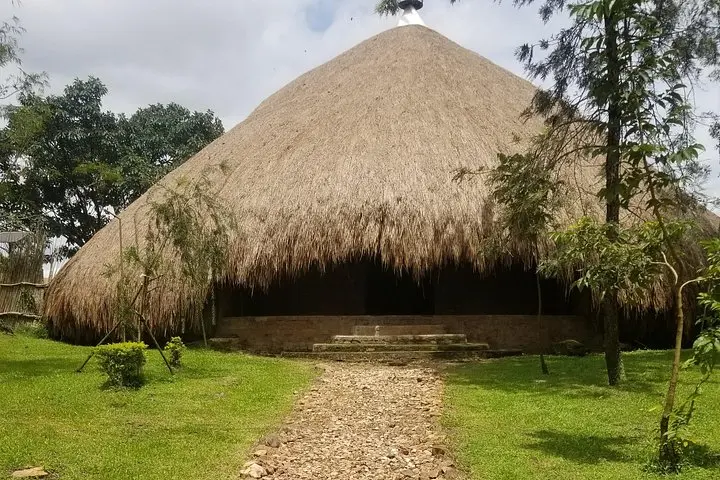
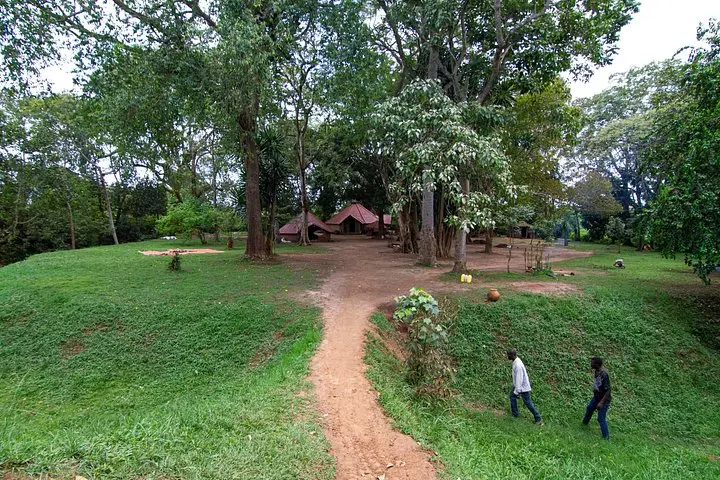
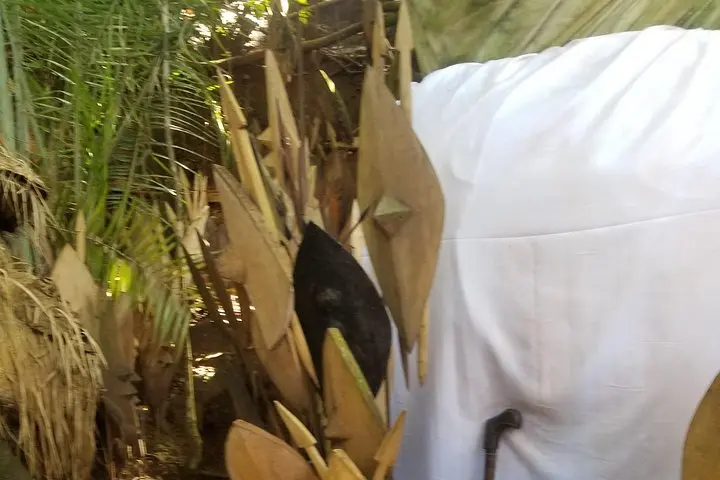
You step out of a Kampala traffic swell into a shaded compound where age-old drums still measure time. The guide leads you through a corridor of carved posts and low roofs; sunlight shifts across reed-thatched tombs as voices of the past seem to answer.
Verified experiences and guided adventures in the surrounding area.
Operated by Emmanuel · Kampala, Central Region
You step out of a Kampala traffic swell into a shaded compound where age-old drums still measure time. The guide leads you through a corridor of carved posts and low roofs; sunlight shifts across reed-thatched tombs as voices of the past seem to answer.
This full-day loop traces Buganda's political and spiritual landscape—from the parliamentary grounds in Mengo and the contested 1966 sites to the sacred Kasubi Tombs and Kabaka's Lake, a 19th-century royal engineering feat. Geologically the area rests on gently rolling volcanic soils of Uganda's central plateau; stone and hardwood survive here alongside wetland pockets that feed Ssezibwa River and its ceremonial falls.
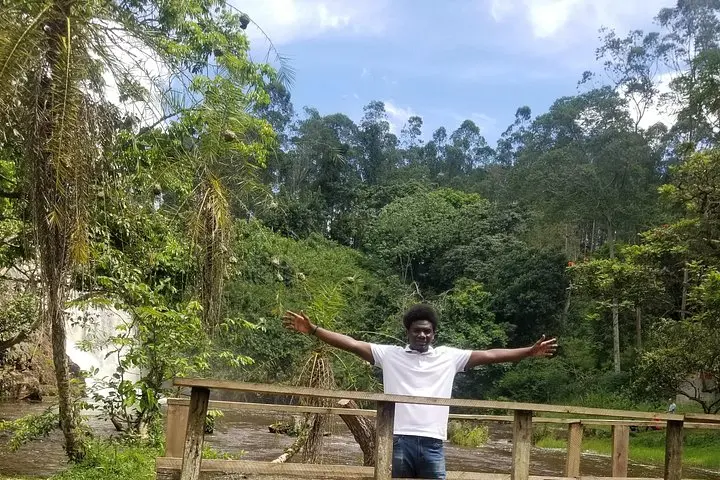
Culturally, Baganda social life centers on clans, hereditary roles and taboos: you learn why some shrines are entered barefoot, how royal architecture encodes lineage, and why certain pools and ditches remain active worship sites. At Ssezibwa Falls the river insists on attention—ritualists still perform ceremonies where the water is believed to ‘give’ blessings.
Practical guidance: expect 6–12 hours of low-impact walking with some uneven paths and short climbs. Dress modestly—knees and shoulders covered—and bring a light rain jacket, cash for small entrance donations and local guides, and shoes easy to remove for shrine visits. Start early to avoid afternoon rains and Kampala traffic; carry 1–2 liters of water and a charged phone for photos and navigation.
The day balances historical narrative with real places you can touch: tombs, a royal lake, a prison ditch and a healing waterfall—each stop asking you to listen as much as look.
Not all sites require it, but some shrines and ancestral worship places do—follow your guide’s instruction and carry socks if you prefer.
Meals are typically not included; plan to bring snacks or budget for a local lunch stop arranged by the guide.
Yes—physical demands are low, but the full-day length and some uneven terrain mean you should consider mobility and comfort with heat or rain.
Possibly; some sites host ongoing traditional practices. Guides will advise on appropriate behavior and photography rules.
Emmanuel operates guided outdoor trips and adventures with an emphasis on safety, stewardship, and memorable experiences.
You step out of a Kampala traffic swell into a shaded compound where age-old drums still measure time. The guide leads you through a corridor of carved posts and low roofs; sunlight shifts across reed-thatched tombs as voices of the past seem to answer.
You step out of a Kampala traffic swell into a shaded compound where age-old drums still measure time. The guide leads you through a corridor of carved posts and low roofs; sunlight shifts across reed-thatched tombs as voices of the past seem to answer.
This full-day loop traces Buganda's political and spiritual landscape—from the parliamentary grounds in Mengo and the contested 1966 sites to the sacred Kasubi Tombs and Kabaka's Lake, a 19th-century royal engineering feat. Geologically the area rests on gently rolling volcanic soils of Uganda's central plateau; stone and hardwood survive here alongside wetland pockets that feed Ssezibwa River and its ceremonial falls.
Culturally, Baganda social life centers on clans, hereditary roles and taboos: you learn why some shrines are entered barefoot, how royal architecture encodes lineage, and why certain pools and ditches remain active worship sites. At Ssezibwa Falls the river insists on attention—ritualists still perform ceremonies where the water is believed to ‘give’ blessings.
Practical guidance: expect 6–12 hours of low-impact walking with some uneven paths and short climbs. Dress modestly—knees and shoulders covered—and bring a light rain jacket, cash for small entrance donations and local guides, and shoes easy to remove for shrine visits. Start early to avoid afternoon rains and Kampala traffic; carry 1–2 liters of water and a charged phone for photos and navigation.
The day balances historical narrative with real places you can touch: tombs, a royal lake, a prison ditch and a healing waterfall—each stop asking you to listen as much as look.