THE ADVENTURE COLLECTIVE® · Independent discovery and booking for outdoor travel

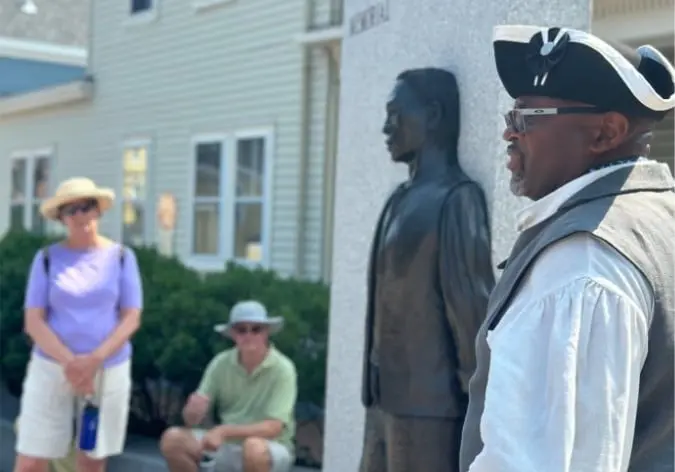
Walk Portsmouth’s historic streets with Stanford Cross and uncover Prince Whipple’s role in the 1779 Petition and New Hampshire militia. This 90-minute tour reframes Revolutionary history by centering Black civic life.
Walk Portsmouth’s historic streets with Stanford Cross and uncover Prince Whipple’s role in the 1779 Petition and New Hampshire militia. This 90-minute tour reframes Revolutionary history by centering Black civic life.
Book with Black Heritage Trail of New Hampshire
Verified experiences and guided adventures in the surrounding area.
Operated by Black Heritage Trail of New Hampshire · Portsmouth, New Hampshire
Prince Whipple and the 1779 Petition is a focused, 90-minute walking tour through Portsmouth, New Hampshire, that traces the life of an African man who moved from enslavement to community leadership. Guided by Stanford Cross of Sankofa Tours, the walk moves along Portsmouth’s brick streets and harborfront to sites tied to Whipple’s story: his family home, the Ladies African Charitable Society School founded by his wife Dinah, militia muster points, and plaques that mark the petition he helped produce in 1779. The itinerary foregrounds lived experience over broad strokes—this is close-reading of place, where an ordinary doorstep or school lot opens into national contradictions about liberty and bondage. Start at the tour office at 2pm and arrive ten minutes early; if you don’t arrive five minutes before departure your spot may be given away. Tours run rain or shine, so expect variable New England weather. Groups are capped at about 20 people, making conversation and questions part of the rhythm. The guide’s storytelling links archival documents and contemporary sites, laying out how Whipple’s petition to New Hampshire authorities and his service in the New Hampshire militia complicate Revolutionary narratives. Key features include Portsmouth’s colonial brick facades, granite foundations, narrow lanes, and the nearby Piscataqua River, which shaped commerce and community life in the eighteenth century. Visitors encounter tangible cultural traces: historic homes, a schoolhouse site for Black children, and interpretive markers that reveal how Black Portsmouth organized institutions to withstand legal and social exclusion. Why this tour matters: it reframes well-known Revolutionary settings by centering Black agency and civic labor. Instead of passing facts, you get a portrait of a civic organizer, event manager, and soldier whose life located freedom claims in family, education, and public action. The narrative also highlights Dinah Whipple’s role educating Black children, expanding the tour’s scope beyond one individual to a household and a community. Practical notes: tours last ninety minutes, no special equipment is required, and accessibility details are limited—email the operator for accommodations. Expect about a mile of easy walking with periodic stops. Photography is welcome, especially at exterior historic sites and river viewpoints. Be prepared for rain, bring layers, and allow time afterward to explore downtown Portsmouth’s museums, cafes, and waterfront. This tour is a compact, exacting invitation to listen to overlooked voices in early American history. For visitors who value civic history, social justice, and locally rooted storytelling, Prince Whipple and the 1779 Petition is both education and encounter—a short walk that reorients how you see Portsmouth and the founding era. Book through the provided referral link, check cancellation terms—sales are final—and bring curiosity; conversations sparked here often reshape how visitors understand New England's Revolutionary past and present. Plan, listen, reflect.
The tour lasts 90 minutes and covers about one mile of mostly flat urban walking with periodic stops.
Tours leave from the tour office at 2pm; arrive 10 minutes prior. If you don’t arrive five minutes before departure your spot may be given away.
Accessibility details are limited; contact the operator ahead of time to discuss specific needs and accommodations.
All ticket sales are final. If the operator cancels due to unsafe weather or guide illness they will attempt to reschedule or offer a refund.
Yes—photography is welcome at exterior sites and river viewpoints; please be respectful at private property and during interpretive moments.
The tour is family-friendly in content, but expect historical topics and a steady walking pace; check with the operator about age recommendations.
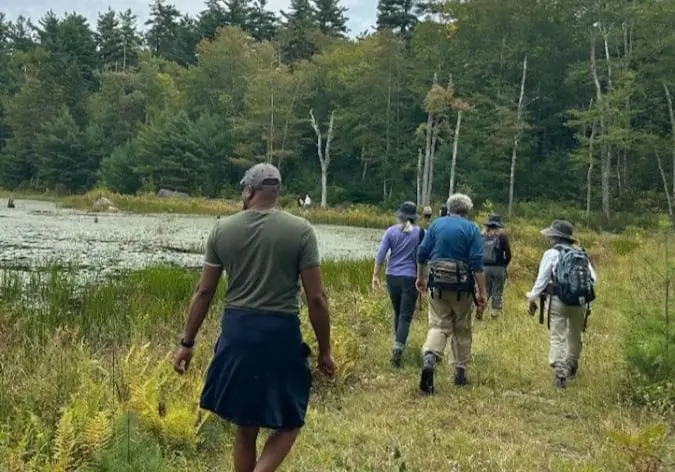
Black Heritage Trail of New Hampshire preserves and presents the state’s African American history through guided walking and bus tours based in Portsmouth and extending to Manchester, Milford, Dover, Warner, and other New Hampshire towns. The organization offers a diverse program of tours that examine enslaved and free Black residents, abolitionists, wartime service, literary pioneers, Black entrepreneurship, and the networks that sustained communities during segregation. Tours include explorations of Ona Judge’s escape from slavery, Harriet E. Wilson’s life and legacy, Prince Whipple’s activism, Portsmouth’s soldiers from the Revolution to Vietnam, the Green Book sites that offered refuge, and local efforts toward economic autonomy. Each itinerary follows historic streets and landmark sites, combining on-site interpretation with mapped routes to connect visitors to archival stories and physical places. The approach foregrounds primary stories from the 18th century through the Civil Rights era and into contemporary memory, highlighting resilience, resistance, and community-building. Travelers can choose shorter walking routes in Portsmouth or longer bus tours to Manchester and Milford to match interest and accessibility needs. Black Heritage Trail of New Hampshire serves students, historians, families, and visitors seeking informed, place-based learning about Black history in New England. By focusing on documented local narratives and on-the-ground interpretation, the organization provides reliable, research-informed experiences that make complex histories accessible and memorable. Tours suit students, researchers, family groups, and visitors seeking guided historical interpretation of Black lives in New Hampshire, and can serve as educational experiences for school groups and community programs interested in regional Black heritage.

Book with Black Heritage Trail of New Hampshire