THE ADVENTURE COLLECTIVE® · Independent discovery and booking for outdoor travel

Trace the life of Empress Elisabeth on a two-hour guided walk through St. Augustine and the Hofburg, with museum admission included. Compact, story-rich, and ideal for history-minded travelers who want a concise introduction to Vienna’s imperial heart.
Trace the life of Empress Elisabeth on a two-hour guided walk through St. Augustine and the Hofburg, with museum admission included. Compact, story-rich, and ideal for history-minded travelers who want a concise introduction to Vienna’s imperial heart.
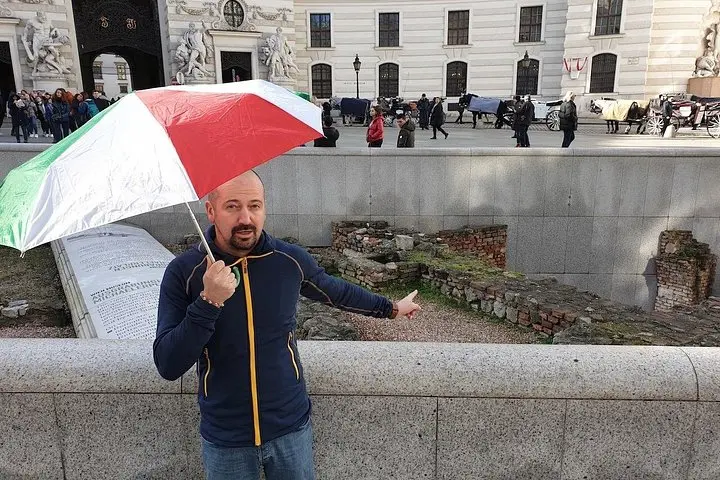
A crisp morning on Vienna’s historic Ringstraße feels like stepping into a photograph: horse-drawn carriages clip-clop past ornate façades while the Hofburg’s stone face looms, patient and exacting. The tour opens at the Church of St. Augustine, where the young Elisabeth of Bavaria married Franz Joseph in 1854 — a small, shadowed nave that still holds the echo of courtly vows.
Verified experiences and guided adventures in the surrounding area.
Operated by Mario Casalone - MarioViennaGuide · Vienna, Vienna
A crisp morning on Vienna’s historic Ringstraße feels like stepping into a photograph: horse-drawn carriages clip-clop past ornate façades while the Hofburg’s stone face looms, patient and exacting. The tour opens at the Church of St. Augustine, where the young Elisabeth of Bavaria married Franz Joseph in 1854 — a small, shadowed nave that still holds the echo of courtly vows.
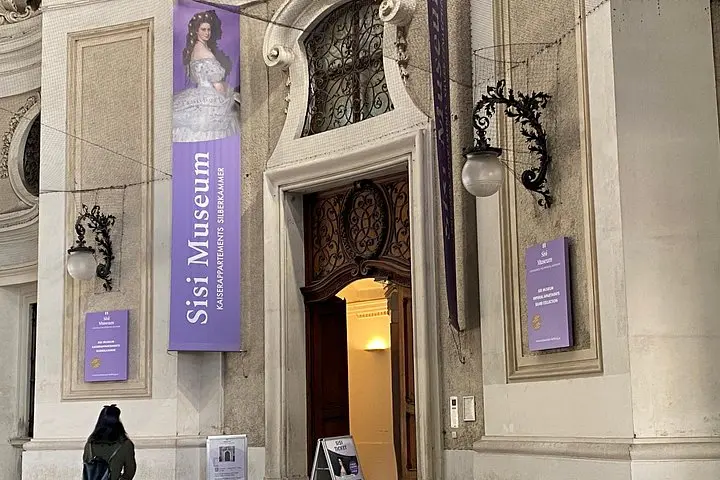
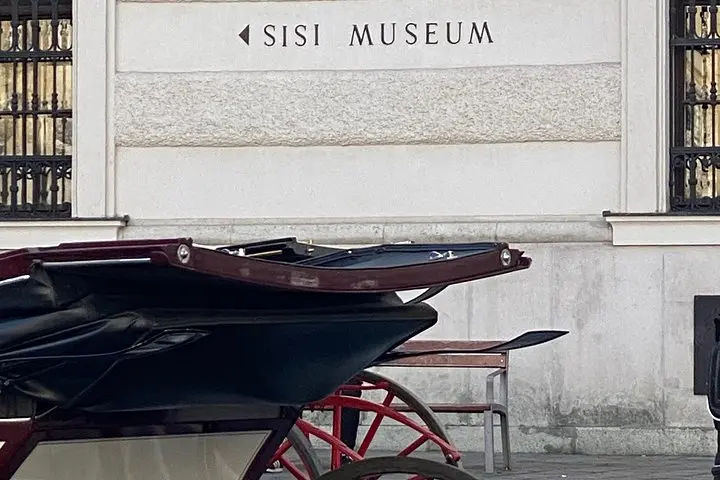
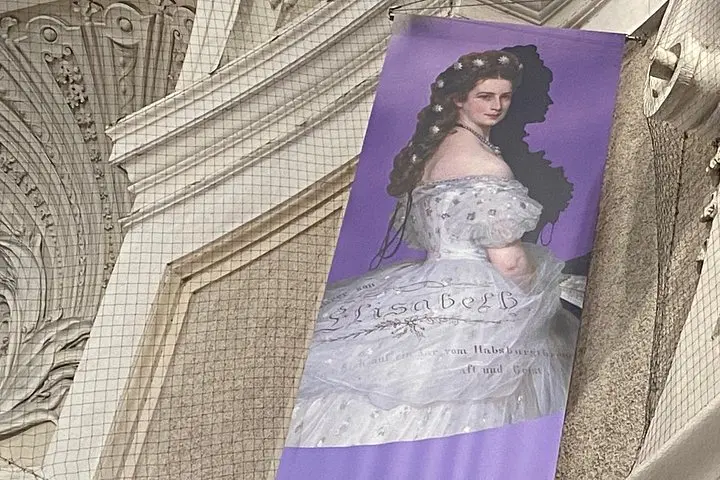
From there the group moves into the Hofburg complex, through the Cortile degli Svizzeri and into the Sissi Museum and Imperial Apartments. The route threads private chambers and public audiences, rooms hung with portraits, gilded furniture and the personal objects that reveal Sissi’s contradictions — a public icon who prized physical training, hence the curious Sissi gym, and intense privacy. Visitors see garments, jewelry and, strikingly, the imperial bed where the empress rested.
Geology and urban layout matter less here than layers of history: the Hofburg grew over centuries, each wing a political chapter of the Habsburgs’ rule across central Europe. Cultural notes — court etiquette, Sissi’s influence on fashion and travel — are woven into the commentary.
Practically, the tour lasts about two hours and includes museum admission without queuing. Expect some indoor walking on stone floors and occasional narrow rooms; comfortable shoes, a light layer and respect for photography rules are wise. Mornings are quieter; public transport access is excellent. The guide balances storytelling with archival detail, making this a compact orientation to Vienna’s imperial core.
Yes — the tour price includes entry to the Sissi Museum and Imperial Apartments without waiting in the general admission line.
The meeting point is at the Church of St. Augustine near the Hofburg; it’s reachable by U-Bahn and tram—check the booking confirmation for exact coordinates.
The tour is described as suitable for all fitness levels, but some rooms have stairs and narrow passages; contact the operator for specific accessibility needs.
Language options vary by schedule; check the product page for offered languages or request special-language tours when booking.
Mario Casalone - MarioViennaGuide operates guided outdoor trips and adventures with an emphasis on safety, stewardship, and memorable experiences.
A crisp morning on Vienna’s historic Ringstraße feels like stepping into a photograph: horse-drawn carriages clip-clop past ornate façades while the Hofburg’s stone face looms, patient and exacting. The tour opens at the Church of St. Augustine, where the young Elisabeth of Bavaria married Franz Joseph in 1854 — a small, shadowed nave that still holds the echo of courtly vows.
A crisp morning on Vienna’s historic Ringstraße feels like stepping into a photograph: horse-drawn carriages clip-clop past ornate façades while the Hofburg’s stone face looms, patient and exacting. The tour opens at the Church of St. Augustine, where the young Elisabeth of Bavaria married Franz Joseph in 1854 — a small, shadowed nave that still holds the echo of courtly vows.
From there the group moves into the Hofburg complex, through the Cortile degli Svizzeri and into the Sissi Museum and Imperial Apartments. The route threads private chambers and public audiences, rooms hung with portraits, gilded furniture and the personal objects that reveal Sissi’s contradictions — a public icon who prized physical training, hence the curious Sissi gym, and intense privacy. Visitors see garments, jewelry and, strikingly, the imperial bed where the empress rested.
Geology and urban layout matter less here than layers of history: the Hofburg grew over centuries, each wing a political chapter of the Habsburgs’ rule across central Europe. Cultural notes — court etiquette, Sissi’s influence on fashion and travel — are woven into the commentary.
Practically, the tour lasts about two hours and includes museum admission without queuing. Expect some indoor walking on stone floors and occasional narrow rooms; comfortable shoes, a light layer and respect for photography rules are wise. Mornings are quieter; public transport access is excellent. The guide balances storytelling with archival detail, making this a compact orientation to Vienna’s imperial core.