THE ADVENTURE COLLECTIVE® · Independent discovery and booking for outdoor travel

Step back into Old Jeddah on a private 2–3 hour walking tour of Al-Balad. Explore coral-built houses, wooden rawasheen, and bustling souqs while a local guide brings the city’s port history to life.
Step back into Old Jeddah on a private 2–3 hour walking tour of Al-Balad. Explore coral-built houses, wooden rawasheen, and bustling souqs while a local guide brings the city’s port history to life.
A warm sea breeze slides through narrow streets as you step from the modern bustle of Jeddah into Al-Balad’s cool, coral-stone shadow. Wooden latticed windows peer down like watchful faces; merchants still call across alleys where goods and gossip move in equal measure. This private 2–3 hour walking tour threads through UNESCO-listed lanes, offering a close-up of carved coral houses, the rawasheen (projecting wooden balconies), and the human rhythms of the old port city.
Verified experiences and guided adventures in the surrounding area.
Operated by Ahmed · Jeddah, Makkah Province
A warm sea breeze slides through narrow streets as you step from the modern bustle of Jeddah into Al-Balad’s cool, coral-stone shadow. Wooden latticed windows peer down like watchful faces; merchants still call across alleys where goods and gossip move in equal measure. This private 2–3 hour walking tour threads through UNESCO-listed lanes, offering a close-up of carved coral houses, the rawasheen (projecting wooden balconies), and the human rhythms of the old port city.
Al-Balad grew around Jeddah’s role as the Red Sea gateway to Mecca—its architecture combining coral limestone, imported teak and Ottoman-era details. The geology of the coast shaped building techniques: coral blocks that breathe in the heat and bow to salt-laden winds. Culturally, you’ll cross souqs where spices, goldsmiths and traditional dressmakers continue crafts passed down generations. Local guides often point out Bayt Nassif and the old city gates that once directed pilgrims and trade.
Practically, the route is urban walking on uneven stone and packed-sand alleys—easy but steady. Visit early morning or late afternoon to avoid intense sun; bring water and modest clothing. Expect a personalized pace with opportunities to enter small shops, photograph rawasheen up close, and sample street-side coffee. Guides can tailor stops to interests—architecture, culinary bites, or family-run workshops.
Al-Balad’s lanes ask you to slow down; the city answers with texture, lineage and a living history that’s best discovered step by step.
The private tour typically lasts 2–3 hours and can be shortened or extended depending on your interests.
This itinerary lists no standard admissions included; purchases at souqs or snacks are typically extra—confirm with your operator.
Many alleys are narrow and have uneven surfaces; accessibility is limited—contact the provider ahead to plan alternate routes.
Most private guides offer Arabic and English; confirm language needs when booking to ensure a tailored experience.
Ahmed operates guided outdoor trips and adventures with an emphasis on safety, stewardship, and memorable experiences.
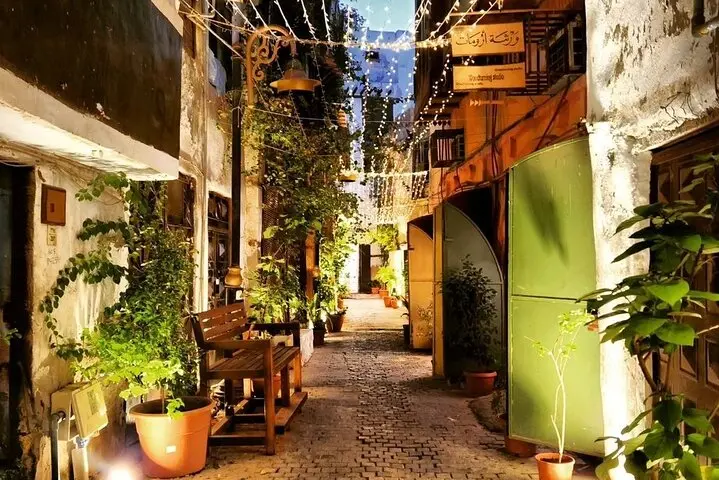
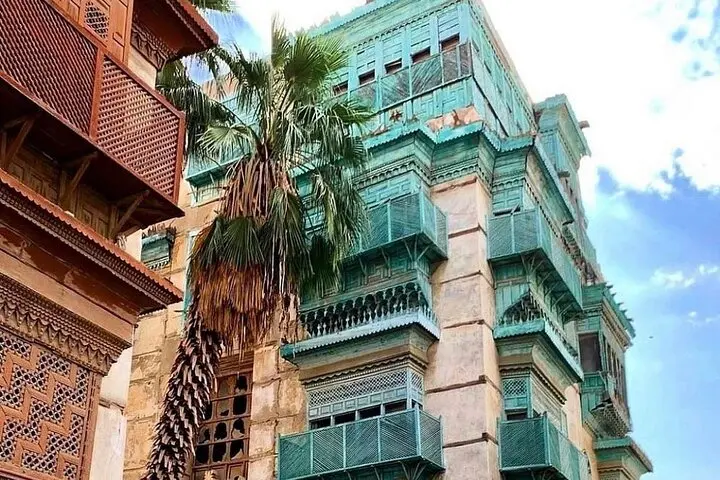
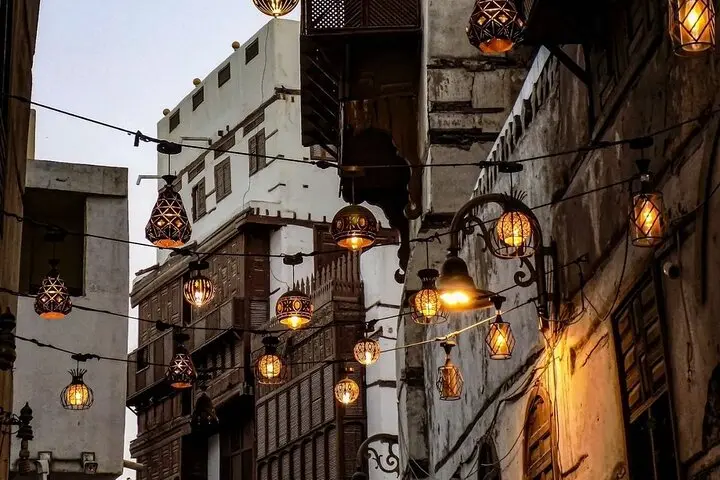
A warm sea breeze slides through narrow streets as you step from the modern bustle of Jeddah into Al-Balad’s cool, coral-stone shadow. Wooden latticed windows peer down like watchful faces; merchants still call across alleys where goods and gossip move in equal measure. This private 2–3 hour walking tour threads through UNESCO-listed lanes, offering a close-up of carved coral houses, the rawasheen (projecting wooden balconies), and the human rhythms of the old port city.
A warm sea breeze slides through narrow streets as you step from the modern bustle of Jeddah into Al-Balad’s cool, coral-stone shadow. Wooden latticed windows peer down like watchful faces; merchants still call across alleys where goods and gossip move in equal measure. This private 2–3 hour walking tour threads through UNESCO-listed lanes, offering a close-up of carved coral houses, the rawasheen (projecting wooden balconies), and the human rhythms of the old port city.
Al-Balad grew around Jeddah’s role as the Red Sea gateway to Mecca—its architecture combining coral limestone, imported teak and Ottoman-era details. The geology of the coast shaped building techniques: coral blocks that breathe in the heat and bow to salt-laden winds. Culturally, you’ll cross souqs where spices, goldsmiths and traditional dressmakers continue crafts passed down generations. Local guides often point out Bayt Nassif and the old city gates that once directed pilgrims and trade.
Practically, the route is urban walking on uneven stone and packed-sand alleys—easy but steady. Visit early morning or late afternoon to avoid intense sun; bring water and modest clothing. Expect a personalized pace with opportunities to enter small shops, photograph rawasheen up close, and sample street-side coffee. Guides can tailor stops to interests—architecture, culinary bites, or family-run workshops.
Al-Balad’s lanes ask you to slow down; the city answers with texture, lineage and a living history that’s best discovered step by step.