THE ADVENTURE COLLECTIVE® · Independent discovery and booking for outdoor travel

An early-start day hike from Cusco leads to the remote Incan sanctuary of Waqra Pukara via Pomacanchi lagoon and high puna ridges. This guide outlines what to expect, why altitude matters, and how to prepare for a 12‑hour archaeological trek.
An early-start day hike from Cusco leads to the remote Incan sanctuary of Waqra Pukara via Pomacanchi lagoon and high puna ridges. This guide outlines what to expect, why altitude matters, and how to prepare for a 12‑hour archaeological trek.
A pre-dawn bus slides away from Cusco and the highland air bites at your cheeks as the road climbs. By first light the Andes open into a palette of scrub, terraces and the glint of Pomacanchi lagoon; the trailhead at Rinconada feels like stepping into a place that has kept its distance on purpose.
Verified experiences and guided adventures in the surrounding area.
Operated by Machu Picchu Peru Cusco · Cusco, Cusco
A pre-dawn bus slides away from Cusco and the highland air bites at your cheeks as the road climbs. By first light the Andes open into a palette of scrub, terraces and the glint of Pomacanchi lagoon; the trailhead at Rinconada feels like stepping into a place that has kept its distance on purpose.
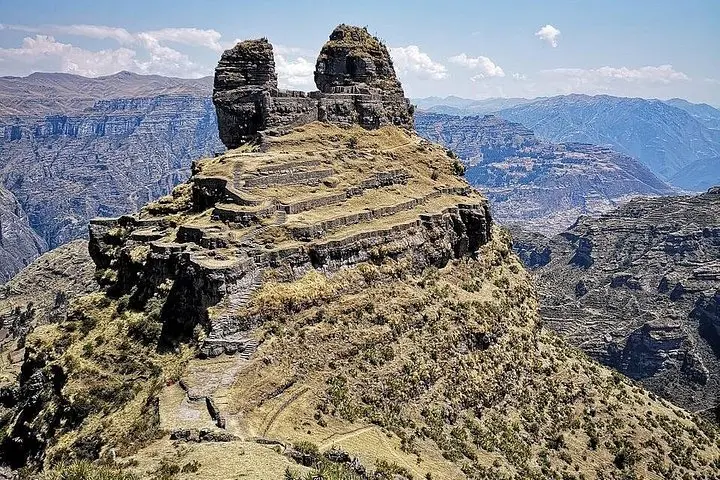
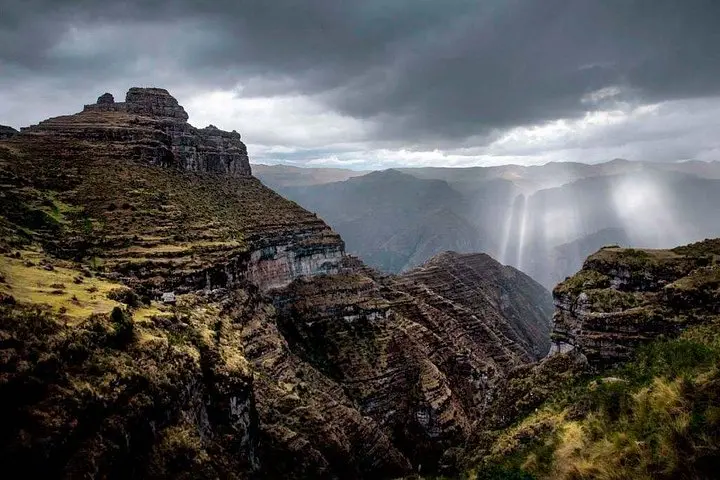
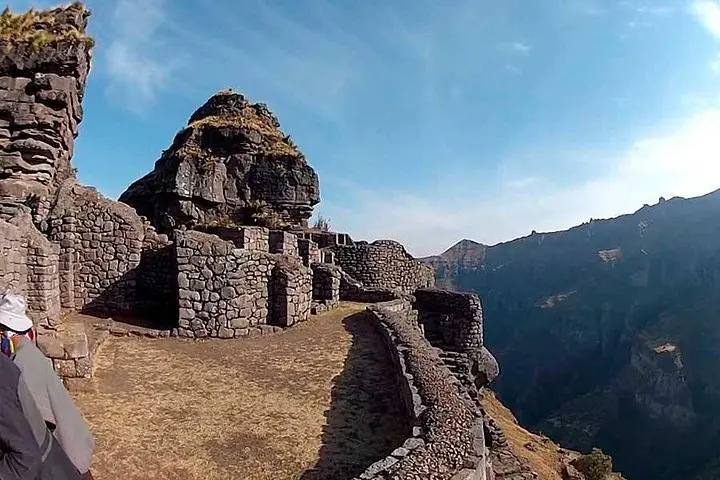
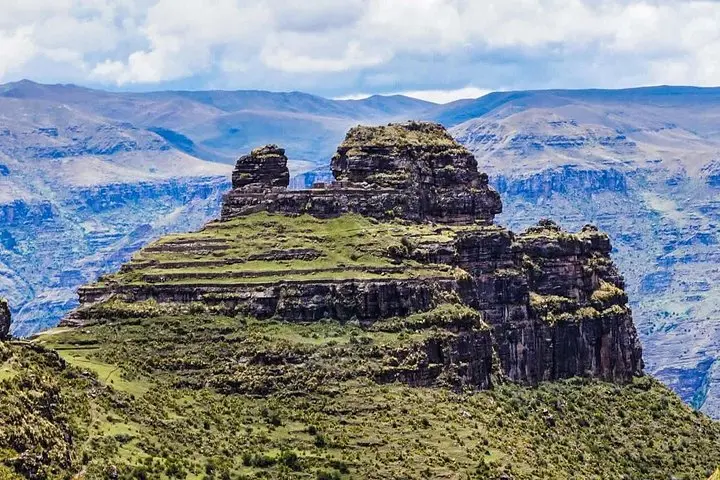
Waqra Pukara is a late-Incan complex built on a ridgeline. Its stone gateways, towers and andenería (agricultural terraces) reveal both ceremonial planning and defensive sightlines. Geologically the route traces Puna grassland and volcanic-derived soils; winds shape the grasses and the ruins sit where rock affords stable platforms for builders centuries ago. Local Quechua communities still shepherd alpaca across ridges and maintain ancestral knowledge—visit notes the Wiracocha enclosure and cave paintings with flame motifs that link ritual practice to landscape.
Expect about 12 hours round-trip from Cusco with early pickup and a steady uphill approach from Rinconada. Altitude is the main challenge here—sections climb into puna plateaus near 3,800–4,200 m—so pace yourself and use provided oxygen if needed. Footing alternates between dirt paths, rock steps and short scree pitches; there are sustained exposures to sun and wind.
Practical tips: start hydrated, layer for strong sun and sharp wind, bring snacks and cash for local vendors, and carry a compact first-aid kit. Respect archaeological sites—stay on marked paths and avoid touching carved masonry. A bilingual guide will tighten historical context and point out subtle features you might otherwise miss, turning a long day into a readable cross‑section of highland life and Incan landscape planning.
The full day operates about 12 hours round‑trip from Cusco with several hours of steady uphill walking; it's rated moderate due to altitude and duration rather than technical terrain.
Yes—spend at least 24–48 hours in Cusco with light activity before the trip to reduce altitude sickness risk; the operator supplies oxygen cylinders if needed.
Typical inclusions are hotel pickup in Cusco historic center, transport, lunch, a bilingual professional guide, first aid kit and oxygen cylinders.
The tour is generally suitable for most fitness levels but not recommended for travelers with serious cardiovascular conditions; check booking questions for passport and pickup details.
Machu Picchu Peru Cusco operates guided outdoor trips and adventures with an emphasis on safety, stewardship, and memorable experiences.
A pre-dawn bus slides away from Cusco and the highland air bites at your cheeks as the road climbs. By first light the Andes open into a palette of scrub, terraces and the glint of Pomacanchi lagoon; the trailhead at Rinconada feels like stepping into a place that has kept its distance on purpose.
A pre-dawn bus slides away from Cusco and the highland air bites at your cheeks as the road climbs. By first light the Andes open into a palette of scrub, terraces and the glint of Pomacanchi lagoon; the trailhead at Rinconada feels like stepping into a place that has kept its distance on purpose.
Waqra Pukara is a late-Incan complex built on a ridgeline. Its stone gateways, towers and andenería (agricultural terraces) reveal both ceremonial planning and defensive sightlines. Geologically the route traces Puna grassland and volcanic-derived soils; winds shape the grasses and the ruins sit where rock affords stable platforms for builders centuries ago. Local Quechua communities still shepherd alpaca across ridges and maintain ancestral knowledge—visit notes the Wiracocha enclosure and cave paintings with flame motifs that link ritual practice to landscape.
Expect about 12 hours round-trip from Cusco with early pickup and a steady uphill approach from Rinconada. Altitude is the main challenge here—sections climb into puna plateaus near 3,800–4,200 m—so pace yourself and use provided oxygen if needed. Footing alternates between dirt paths, rock steps and short scree pitches; there are sustained exposures to sun and wind.
Practical tips: start hydrated, layer for strong sun and sharp wind, bring snacks and cash for local vendors, and carry a compact first-aid kit. Respect archaeological sites—stay on marked paths and avoid touching carved masonry. A bilingual guide will tighten historical context and point out subtle features you might otherwise miss, turning a long day into a readable cross‑section of highland life and Incan landscape planning.