THE ADVENTURE COLLECTIVE® · Independent discovery and booking for outdoor travel

A two-day trek to Waqrapukara leads you across high Andean ridges to a secluded stone sanctuary whose solar-faced niche speaks to a hidden ritual past. This hike combines rugged geology, intact tombs, Andean village culture and practical multi-day trekking logistics.
A two-day trek to Waqrapukara leads you across high Andean ridges to a secluded stone sanctuary whose solar-faced niche speaks to a hidden ritual past. This hike combines rugged geology, intact tombs, Andean village culture and practical multi-day trekking logistics.
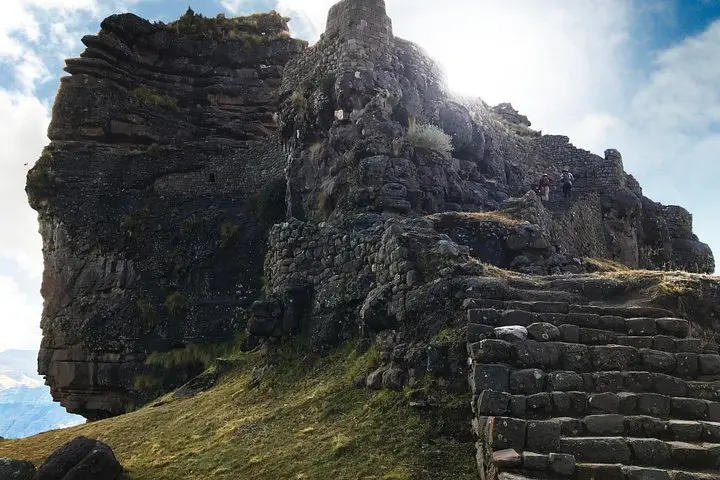
Dawn breaks cold and clear as you climb out of the high valley, the trail crunching under stiff boots and the wind already pushing at your jacket. Granite ribs and carved stone walls begin to appear on the skyline—Waqrapukara’s hooded rock faces stare back at the sunrise niche that gives the site its sacred reputation.
Verified experiences and guided adventures in the surrounding area.
Operated by Travel and Healing · Cusco, Cusco
Dawn breaks cold and clear as you climb out of the high valley, the trail crunching under stiff boots and the wind already pushing at your jacket. Granite ribs and carved stone walls begin to appear on the skyline—Waqrapukara’s hooded rock faces stare back at the sunrise niche that gives the site its sacred reputation.
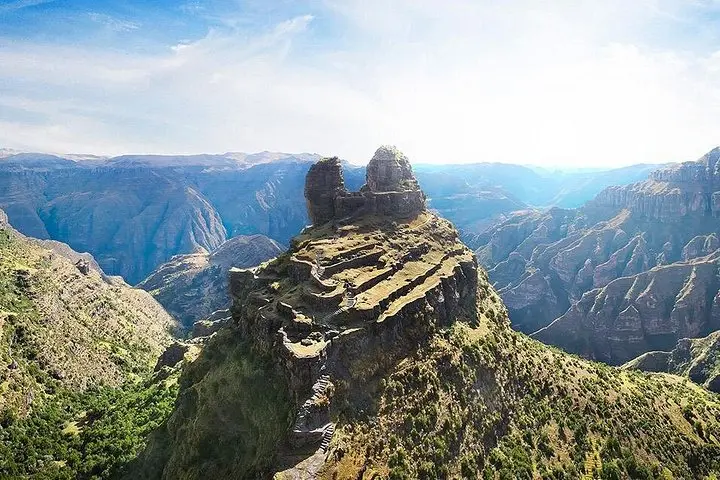
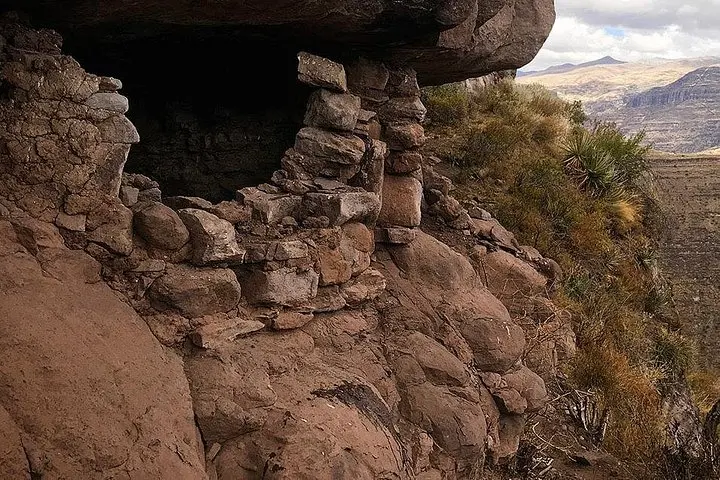
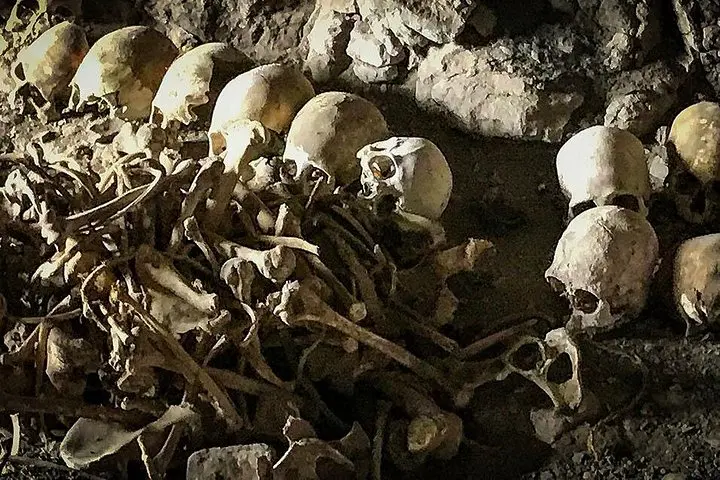
The place feels intentionally remote. Built by pre-Inca and Inca-era hands, Waqrapukara’s vaulted niches and three-jamb doorways face precise solar angles; locals say this site held greater ritual value than many better-known ruins. The cliffs are late Cretaceous and Tertiary formations scoured by ancient rivers, producing steep ridgelines that shelter high-altitude tombs where Qanchi remains have been found.
Culturally, the route threads traditional Andean villages where Quechua-speaking farmers tend puna grasses and llamas; you’ll likely pass small shrines and see recent offerings from local pachamama ceremonies. The two-day itinerary gives time to explore tomb chambers, stand in the sunrise niche, and take in long valley views where clouds crowd the lower basins.
Practically: expect steep ascents above 3,800–4,300 m, rocky and sometimes muddy trails, and possible snow patches in colder months. Guides provide hotel pickup, meals, bottled water, first-aid and an ancestral blessing; porters are not always supplied, so pack a comfortable daypack. Prioritize altitude acclimatization in Cusco, layer clothing for fast-changing weather, use trekking poles for loose sections, and plan for early starts to make the most of clear morning light.
The route is rated challenging due to sustained climbs and altitude—expect trail elevations around 3,800–4,300 m; prior acclimatization in Cusco is strongly recommended.
The two-day program typically includes hotel pickup and drop-off in Cusco, guide service, breakfasts, box lunch, snacks, bottled water, an Andean blessing ceremony, and basic first aid with oxygen.
Most operators offer basic camping or simple mountain refuges depending on the package; confirm sleeping bag and tent provisions at booking and request vegetarian meals if needed.
This trek is not recommended for travelers with serious spinal issues or very young children due to steep terrain, high altitude and multi-day demands.
Travel and Healing operates guided outdoor trips and adventures with an emphasis on safety, stewardship, and memorable experiences.
Dawn breaks cold and clear as you climb out of the high valley, the trail crunching under stiff boots and the wind already pushing at your jacket. Granite ribs and carved stone walls begin to appear on the skyline—Waqrapukara’s hooded rock faces stare back at the sunrise niche that gives the site its sacred reputation.
Dawn breaks cold and clear as you climb out of the high valley, the trail crunching under stiff boots and the wind already pushing at your jacket. Granite ribs and carved stone walls begin to appear on the skyline—Waqrapukara’s hooded rock faces stare back at the sunrise niche that gives the site its sacred reputation.
The place feels intentionally remote. Built by pre-Inca and Inca-era hands, Waqrapukara’s vaulted niches and three-jamb doorways face precise solar angles; locals say this site held greater ritual value than many better-known ruins. The cliffs are late Cretaceous and Tertiary formations scoured by ancient rivers, producing steep ridgelines that shelter high-altitude tombs where Qanchi remains have been found.
Culturally, the route threads traditional Andean villages where Quechua-speaking farmers tend puna grasses and llamas; you’ll likely pass small shrines and see recent offerings from local pachamama ceremonies. The two-day itinerary gives time to explore tomb chambers, stand in the sunrise niche, and take in long valley views where clouds crowd the lower basins.
Practically: expect steep ascents above 3,800–4,300 m, rocky and sometimes muddy trails, and possible snow patches in colder months. Guides provide hotel pickup, meals, bottled water, first-aid and an ancestral blessing; porters are not always supplied, so pack a comfortable daypack. Prioritize altitude acclimatization in Cusco, layer clothing for fast-changing weather, use trekking poles for loose sections, and plan for early starts to make the most of clear morning light.