THE ADVENTURE COLLECTIVE® · Independent discovery and booking for outdoor travel

A rugged full-day hike to the remote Inca site of Waqrapukara, high above the Apurímac canyon. This off-the-beaten-path route rewards effort with dramatic terraces, rock-carved ceremonial sectors and sweeping Andean views.
A rugged full-day hike to the remote Inca site of Waqrapukara, high above the Apurímac canyon. This off-the-beaten-path route rewards effort with dramatic terraces, rock-carved ceremonial sectors and sweeping Andean views.
A low sunlight cuts across a wind-scoured ridge as the group crests the last terrace before Waqrapukara. Cold air pulls at your jacket; below, the canyon of the Apurímac threads away like a living fault line. The site sits high and exposed—stone platforms, narrow stairways and a ceremonial niche carved into a steep outcrop—where the Andes meet sudden vertical drops.
Verified experiences and guided adventures in the surrounding area.
Operated by CrossoverPeru Tours · Cusco, Cusco Region
A low sunlight cuts across a wind-scoured ridge as the group crests the last terrace before Waqrapukara. Cold air pulls at your jacket; below, the canyon of the Apurímac threads away like a living fault line. The site sits high and exposed—stone platforms, narrow stairways and a ceremonial niche carved into a steep outcrop—where the Andes meet sudden vertical drops.
The place is pre-Inca and Inca-layered: massive masonry and agricultural terraces speak to centuries of human adaptation to thin soils and thin air. Geology here is dramatic—folded volcanics and hard granites created sheer faces that the builders turned into ceremonial stages. Local villagers in the Acomayo sector still maintain spiritual ties; small offerings and brief rituals are part of contemporary visits.
Expect a full day of walking across high puna grasslands, steep switchbacks and rocky trail. The trail gains altitude quickly; panoramic viewpoints reward the effort with panoramas of the Apurímac canyon and distant snowlines. Lunch is typically in a nearby community restaurant; guides sometimes include a short tradicional (Andean) ceremony.
Practical guidance: acclimatize in Cusco for at least 48 hours, carry 2–3 liters of water, and plan for sun, wind and subfreezing temps at higher points. Sturdy boots and trekking poles smooth the steep descents; allow 8–10 hours for door-to-door logistics with hotel pickup. Navigation is straightforward with a guide—online maps are limited and trails can be faint where sheep graze. Leave no trace: this fragile highland erodes quickly under off-trail traffic, so stay on established routes and pack out waste.
Plan on 8–10 hours including transfers; trails are steep with sustained climbs and require good fitness and acclimatization.
Guided tours are recommended for navigation and cultural context; Waqrapukara access is via local trails and guides handle logistics and community protocols.
The route climbs into high Andean puna—expect elevations around 3,800–4,200 m; acclimatize in Cusco beforehand.
Most tours include breakfast and a boxed or restaurant lunch; inform the operator of any dietary needs in advance.
CrossoverPeru Tours operates guided outdoor trips and adventures with an emphasis on safety, stewardship, and memorable experiences.
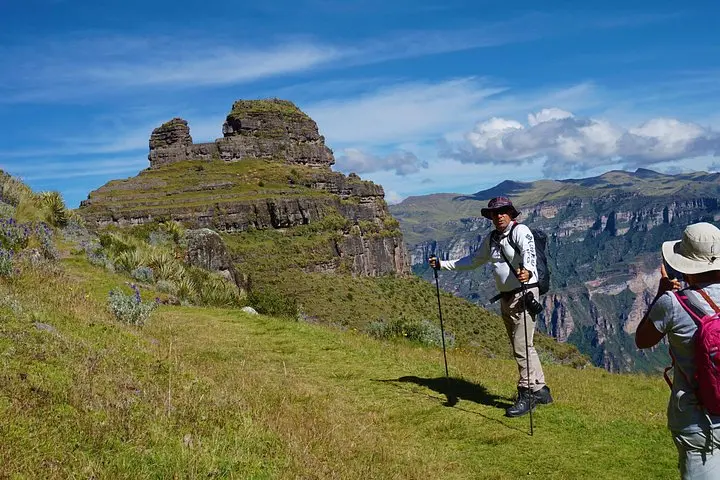
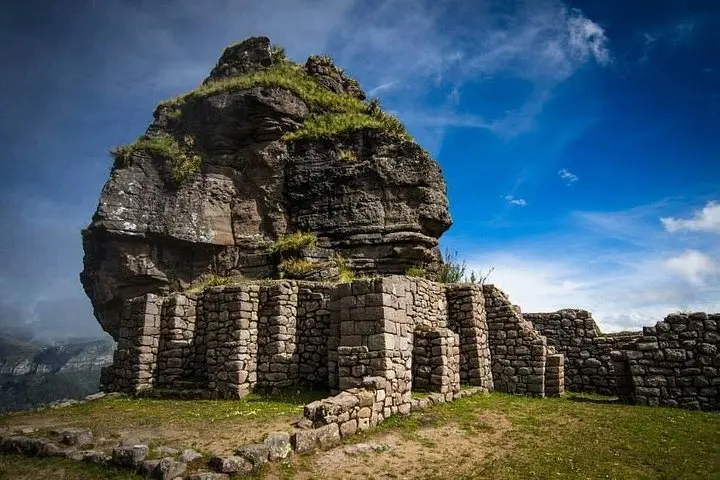
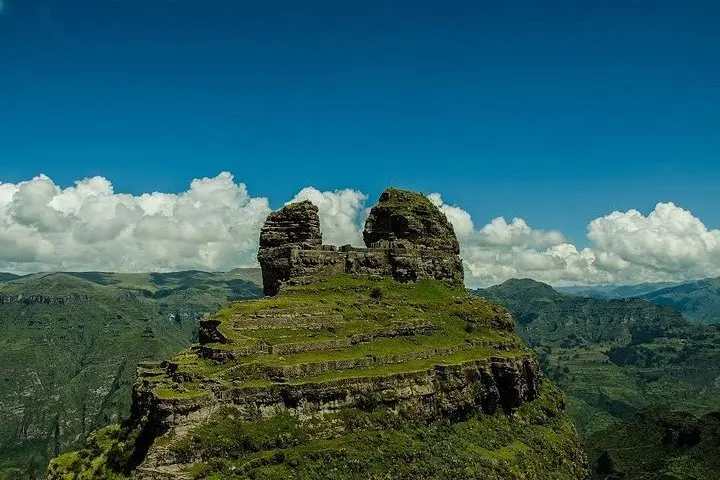
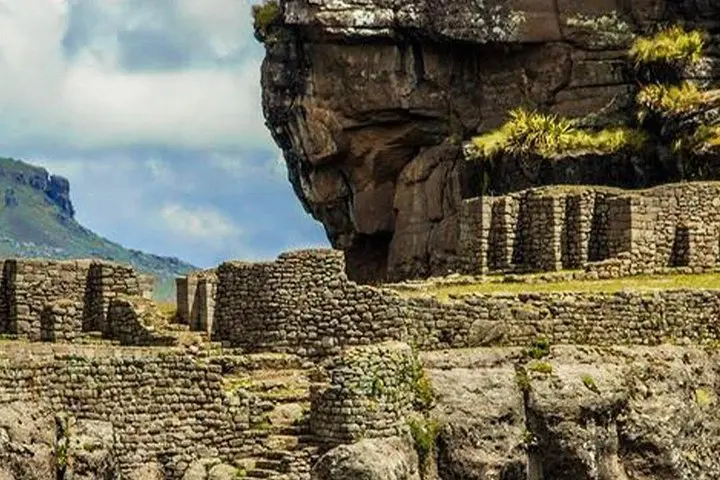
A low sunlight cuts across a wind-scoured ridge as the group crests the last terrace before Waqrapukara. Cold air pulls at your jacket; below, the canyon of the Apurímac threads away like a living fault line. The site sits high and exposed—stone platforms, narrow stairways and a ceremonial niche carved into a steep outcrop—where the Andes meet sudden vertical drops.
A low sunlight cuts across a wind-scoured ridge as the group crests the last terrace before Waqrapukara. Cold air pulls at your jacket; below, the canyon of the Apurímac threads away like a living fault line. The site sits high and exposed—stone platforms, narrow stairways and a ceremonial niche carved into a steep outcrop—where the Andes meet sudden vertical drops.
The place is pre-Inca and Inca-layered: massive masonry and agricultural terraces speak to centuries of human adaptation to thin soils and thin air. Geology here is dramatic—folded volcanics and hard granites created sheer faces that the builders turned into ceremonial stages. Local villagers in the Acomayo sector still maintain spiritual ties; small offerings and brief rituals are part of contemporary visits.
Expect a full day of walking across high puna grasslands, steep switchbacks and rocky trail. The trail gains altitude quickly; panoramic viewpoints reward the effort with panoramas of the Apurímac canyon and distant snowlines. Lunch is typically in a nearby community restaurant; guides sometimes include a short tradicional (Andean) ceremony.
Practical guidance: acclimatize in Cusco for at least 48 hours, carry 2–3 liters of water, and plan for sun, wind and subfreezing temps at higher points. Sturdy boots and trekking poles smooth the steep descents; allow 8–10 hours for door-to-door logistics with hotel pickup. Navigation is straightforward with a guide—online maps are limited and trails can be faint where sheep graze. Leave no trace: this fragile highland erodes quickly under off-trail traffic, so stay on established routes and pack out waste.