THE ADVENTURE COLLECTIVE® · Independent discovery and booking for outdoor travel

A long day trek from Cusco to Waqrapukara leads you up a windswept ridge to a dramatic cliff‑top archaeological complex. Learn the site's history, take in wide Andean views, and return the same day with a boxed lunch amid the ruins.
A long day trek from Cusco to Waqrapukara leads you up a windswept ridge to a dramatic cliff‑top archaeological complex. Learn the site's history, take in wide Andean views, and return the same day with a boxed lunch amid the ruins.
Before sunrise, a van slips out of Cusco and climbs into the high Andes. The road unfurls through puna grass and terraced hills until a small roadside village marks your last stop: Punta Carretera. From here the trail breaks uphill — a steady 1.5‑hour climb of roughly 2.5 km — that pushes through windswept slopes, scrubby brush, and opening views into steep canyons.
Verified experiences and guided adventures in the surrounding area.
Operated by Machupicchu Holiday · Santa Lucía, Cusco
Before sunrise, a van slips out of Cusco and climbs into the high Andes. The road unfurls through puna grass and terraced hills until a small roadside village marks your last stop: Punta Carretera. From here the trail breaks uphill — a steady 1.5‑hour climb of roughly 2.5 km — that pushes through windswept slopes, scrubby brush, and opening views into steep canyons.
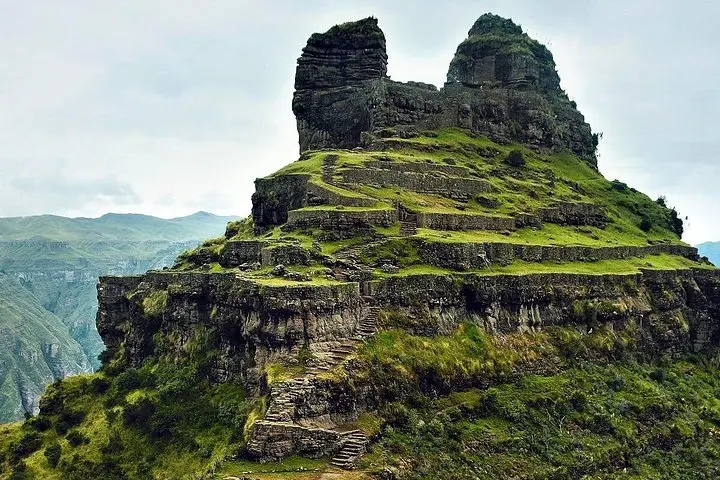
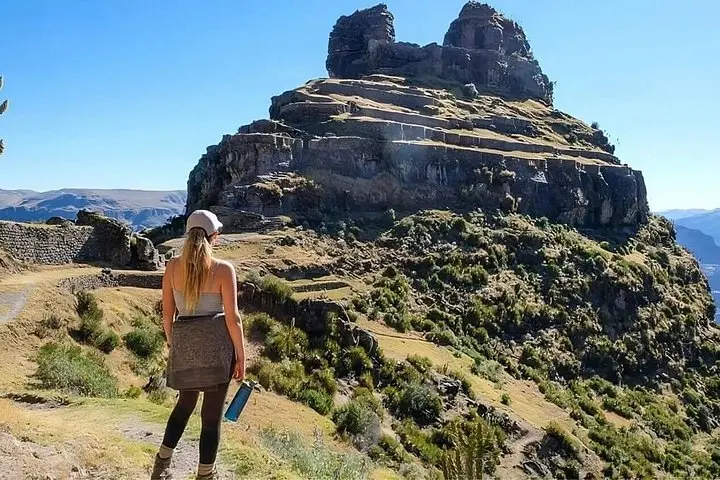
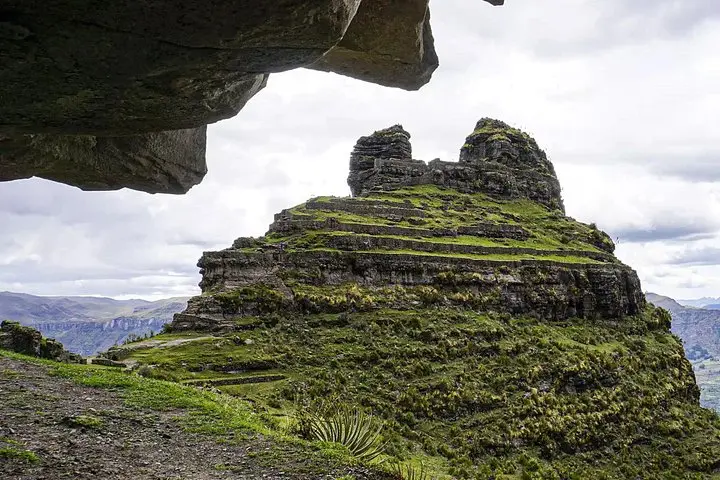
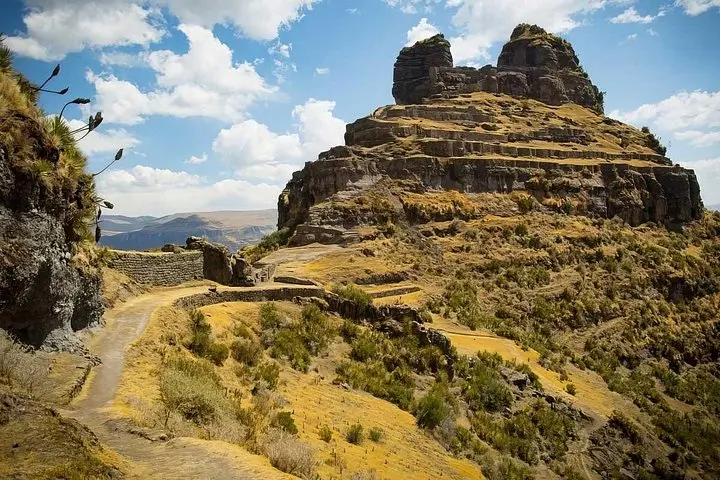
Waqrapukara, Quechua for “horn fortress,” crowns a rocky spur with sheer drops and a line of stone platforms and carved niches. Archaeologists link the site to pre‑Inca cultures with later Inca influence; its bold placement speaks to both ceremonial purpose and defensive advantage. The bedrock here is part of the high Andes uplift, exposed and wind‑blasted, creating dramatic ledges and long sightlines to surrounding ridgelines.
A bilingual guide will walk you through the architecture and local stories, then give you time to photograph the cliff‑edge terraces and listen to the highland wind. Lunch is a boxed meal among the ruins before retracing the route down to the transport.
Practical notes: altitude is the biggest factor — the hike gains quickly and tops out above 3,600–3,800 m depending on approach. Trails are clear but uneven; good boots and steady pacing matter. Expect sun, wind, and rapid weather changes; mornings are crisp, afternoons can cloud. The full excursion is a long day from Cusco (pick‑up early, return early evening), so plan water, layered clothing, and a conservative pace to enjoy the views and historic stones without rushing.
The uphill section is about 2.5 km and typically takes 1 to 1.5 hours; allow extra time for interpretation and photos at the site.
Possibly—Waqrapukara sits above 3,600 m on this route; travelers should acclimatize in Cusco and know signs of altitude sickness.
Older children who are used to hiking can manage the trail, but caregivers should consider altitude and ensure frequent rests and hydration.
This tour includes the entrance fee as listed in the inclusions, and a guide provides on‑site interpretation.
Machupicchu Holiday operates guided outdoor trips and adventures with an emphasis on safety, stewardship, and memorable experiences.
Before sunrise, a van slips out of Cusco and climbs into the high Andes. The road unfurls through puna grass and terraced hills until a small roadside village marks your last stop: Punta Carretera. From here the trail breaks uphill — a steady 1.5‑hour climb of roughly 2.5 km — that pushes through windswept slopes, scrubby brush, and opening views into steep canyons.
Before sunrise, a van slips out of Cusco and climbs into the high Andes. The road unfurls through puna grass and terraced hills until a small roadside village marks your last stop: Punta Carretera. From here the trail breaks uphill — a steady 1.5‑hour climb of roughly 2.5 km — that pushes through windswept slopes, scrubby brush, and opening views into steep canyons.
Waqrapukara, Quechua for “horn fortress,” crowns a rocky spur with sheer drops and a line of stone platforms and carved niches. Archaeologists link the site to pre‑Inca cultures with later Inca influence; its bold placement speaks to both ceremonial purpose and defensive advantage. The bedrock here is part of the high Andes uplift, exposed and wind‑blasted, creating dramatic ledges and long sightlines to surrounding ridgelines.
A bilingual guide will walk you through the architecture and local stories, then give you time to photograph the cliff‑edge terraces and listen to the highland wind. Lunch is a boxed meal among the ruins before retracing the route down to the transport.
Practical notes: altitude is the biggest factor — the hike gains quickly and tops out above 3,600–3,800 m depending on approach. Trails are clear but uneven; good boots and steady pacing matter. Expect sun, wind, and rapid weather changes; mornings are crisp, afternoons can cloud. The full excursion is a long day from Cusco (pick‑up early, return early evening), so plan water, layered clothing, and a conservative pace to enjoy the views and historic stones without rushing.