THE ADVENTURE COLLECTIVE® · Independent discovery and booking for outdoor travel

Ride a private 4x4 through Wasgamuwa’s dry-zone plains to watch wild Sri Lankan elephants, pick off rare birds, and pass ruins from ancient irrigation systems. This three-hour safari pairs close wildlife viewing with local history and practical guidance for first-time visitors.
Ride a private 4x4 through Wasgamuwa’s dry-zone plains to watch wild Sri Lankan elephants, pick off rare birds, and pass ruins from ancient irrigation systems. This three-hour safari pairs close wildlife viewing with local history and practical guidance for first-time visitors.
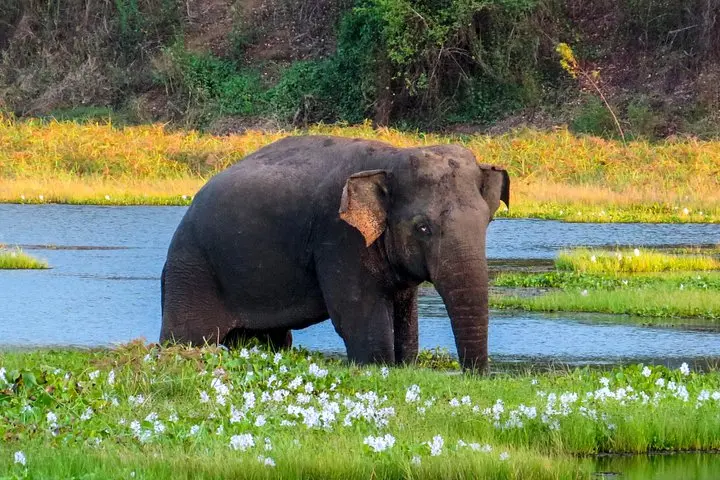
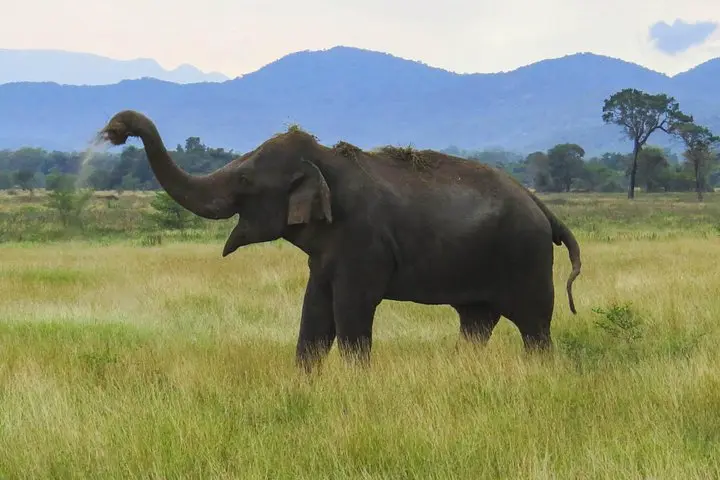
A dusty 4x4 rumbles up a sandy track, the Mahaweli whispering off to the side as tall grasses sway and a lone elephant lifts its trunk, daring you closer. Morning light here builds quickly; sun and heat press against the open jeep while jungle and scrub alternate like chapters in a field guide.
Verified experiences and guided adventures in the surrounding area.
Operated by Lakpura LLC · Dambulla, Central Province
A dusty 4x4 rumbles up a sandy track, the Mahaweli whispering off to the side as tall grasses sway and a lone elephant lifts its trunk, daring you closer. Morning light here builds quickly; sun and heat press against the open jeep while jungle and scrub alternate like chapters in a field guide.
Wasgamuwa sits where river systems carved a livable corridor through Sri Lanka's dry zone. The park's shallow ridges and seasonal tanks echo ancient irrigation works and the footprints of kingdoms that once used these waterways. Geologically, the ground is ancient Precambrian rock overlaid by alluvial terraces—good drainage, scattered rocky outcrops, and pockets of evergreen gallery forest that hold water through the dry months.
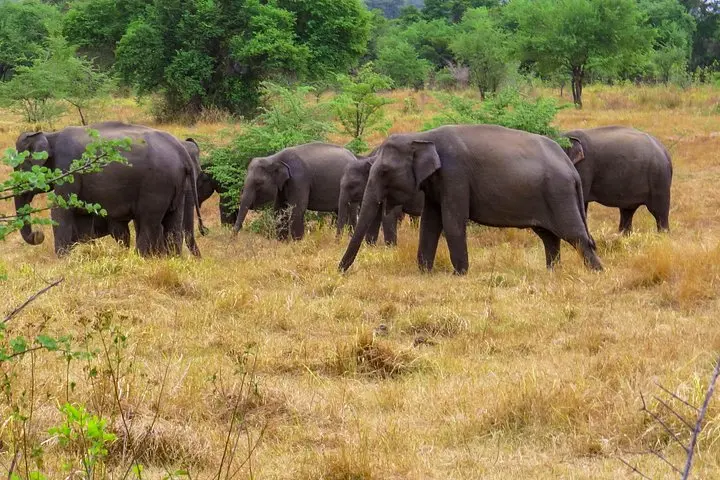
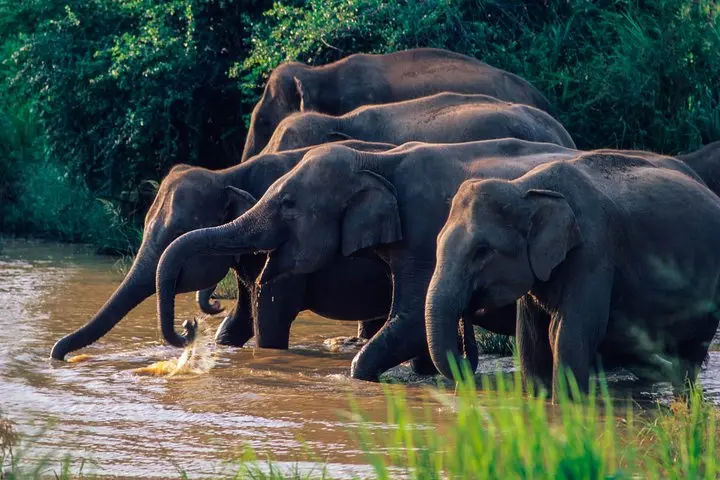
Culturally the landscape still supports small farming communities at the periphery; within the park you’ll find ruined masonry and reminders of past settlement among the trees. Birdsong is constant—malabar pied hornbills, kingfishers and warblers stake claims to river bends—while elephants move like slow weather through the plains.
Expect a three-hour private jeep safari in a multi-terrain vehicle with a driver-tracker who reads animal sign. Wildlife viewing is active, not guaranteed: elephants and deer are common, leopards and sloth bears are elusive. Bring binoculars, neutral clothing, and sun protection; plan to stay seated and follow the guide’s instructions to minimize disturbance. Hydrate well—the park averages about 28°C and 1,650–2,100 mm of rainfall annually—and time your visit for early morning or late afternoon for the best light and animal activity. Stay on designated routes, respect local conservation rules, and leave the park as you found it: wild and watchful.
Entrance fees are included only when the "Jeep With Tickets" option is selected—confirm at booking.
Private safaris use a jeep with a maximum of six passengers.
No—wildlife sightings are common for elephants and deer but never guaranteed; sightings vary with season and time of day.
Free pickup/drop-off is offered from locations within a 5 km radius of the park gate—confirm your pickup point when booking.
Lakpura LLC operates guided outdoor trips and adventures with an emphasis on safety, stewardship, and memorable experiences.
A dusty 4x4 rumbles up a sandy track, the Mahaweli whispering off to the side as tall grasses sway and a lone elephant lifts its trunk, daring you closer. Morning light here builds quickly; sun and heat press against the open jeep while jungle and scrub alternate like chapters in a field guide.
A dusty 4x4 rumbles up a sandy track, the Mahaweli whispering off to the side as tall grasses sway and a lone elephant lifts its trunk, daring you closer. Morning light here builds quickly; sun and heat press against the open jeep while jungle and scrub alternate like chapters in a field guide.
Wasgamuwa sits where river systems carved a livable corridor through Sri Lanka's dry zone. The park's shallow ridges and seasonal tanks echo ancient irrigation works and the footprints of kingdoms that once used these waterways. Geologically, the ground is ancient Precambrian rock overlaid by alluvial terraces—good drainage, scattered rocky outcrops, and pockets of evergreen gallery forest that hold water through the dry months.
Culturally the landscape still supports small farming communities at the periphery; within the park you’ll find ruined masonry and reminders of past settlement among the trees. Birdsong is constant—malabar pied hornbills, kingfishers and warblers stake claims to river bends—while elephants move like slow weather through the plains.
Expect a three-hour private jeep safari in a multi-terrain vehicle with a driver-tracker who reads animal sign. Wildlife viewing is active, not guaranteed: elephants and deer are common, leopards and sloth bears are elusive. Bring binoculars, neutral clothing, and sun protection; plan to stay seated and follow the guide’s instructions to minimize disturbance. Hydrate well—the park averages about 28°C and 1,650–2,100 mm of rainfall annually—and time your visit for early morning or late afternoon for the best light and animal activity. Stay on designated routes, respect local conservation rules, and leave the park as you found it: wild and watchful.