THE ADVENTURE COLLECTIVE® · Independent discovery and booking for outdoor travel

Cycle through Uchiko’s historic streets to make traditional Ozu washi, bind your own notebook, and discover a quirky origami vending machine. This guided half-day tour blends hands-on craft with gentle riding and a visit to the Ikazaki Kite Museum.
Cycle through Uchiko’s historic streets to make traditional Ozu washi, bind your own notebook, and discover a quirky origami vending machine. This guided half-day tour blends hands-on craft with gentle riding and a visit to the Ikazaki Kite Museum.
You start the day at Uchiko’s quiet station, sunlight skimming the river and the town’s wooden machiya facades watching like patient hosts.
Verified experiences and guided adventures in the surrounding area.
Operated by 内子町観光協会 · Uchiko, Ehime
You start the day at Uchiko’s quiet station, sunlight skimming the river and the town’s wooden machiya facades watching like patient hosts.
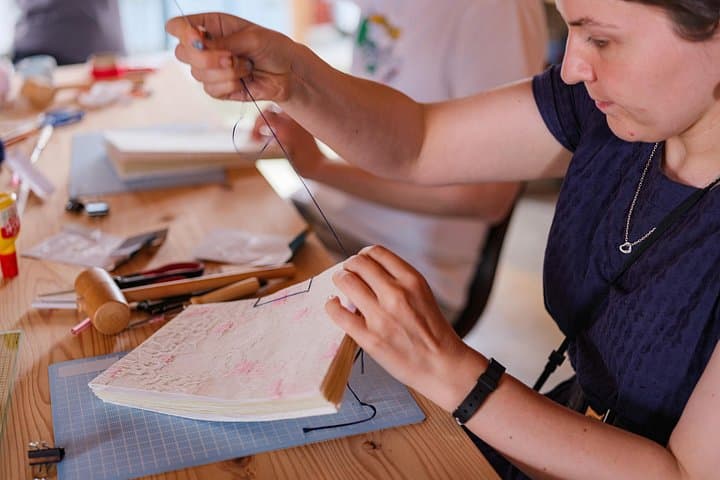
Pedaling easy lanes, the guide steers you toward Tenjin-sanshi, where steam and the sharp scent of wet fibers mark the old workshop. Here you take part in kamisuki — the Edo-period method of making Ozu washi — scooping pulp, pressing sheets, and watching delicate fibers knit into paper under the craftsmen’s hands. Your sheet becomes an instant keepsake and the cover for a handbound notebook you stitch yourself using traditional Japanese binding.
Uchiko’s streets speak of local industry and seasonal river work; the same strong, flexible washi that survives centuries also made Ikazaki’s kites famous. A short ride brings you to an unusual stop: a vending machine of tiny origami crafted by a local artist — a playful modern counterpoint to the antique craft you just practiced.
The tour ends at the Ikazaki Kite Museum, where painted kites and rural festival history explain how paper, wind, and community connect. If the wind cooperates, you’ll fly a kite at the riverside, feeling the current tug like a living thing.
Practical notes: the route is gentle and suitable for most riders; workshops supply materials and helmets are included. Bring sun protection, a small daypack, and a camera. The experience balances hands-on craft, local storytelling, and easy cycling through one of Shikoku’s best-preserved small towns.
No — the route uses calm town streets and riverside paths; basic bike handling and comfort with short rides are sufficient.
Yes, helmets are included with bicycle rental and fitting is done at the start of the tour.
Yes — dried washi sheets and your handbound notebook are safe to pack; bring a rigid folder to prevent bending for long flights.
Workshops and the museum remain open in light rain; heavy weather may affect optional outdoor kite flying—check cancellation policy when booking.
内子町観光協会 operates guided outdoor trips and adventures with an emphasis on safety, stewardship, and memorable experiences.


You start the day at Uchiko’s quiet station, sunlight skimming the river and the town’s wooden machiya facades watching like patient hosts.
You start the day at Uchiko’s quiet station, sunlight skimming the river and the town’s wooden machiya facades watching like patient hosts.
Pedaling easy lanes, the guide steers you toward Tenjin-sanshi, where steam and the sharp scent of wet fibers mark the old workshop. Here you take part in kamisuki — the Edo-period method of making Ozu washi — scooping pulp, pressing sheets, and watching delicate fibers knit into paper under the craftsmen’s hands. Your sheet becomes an instant keepsake and the cover for a handbound notebook you stitch yourself using traditional Japanese binding.
Uchiko’s streets speak of local industry and seasonal river work; the same strong, flexible washi that survives centuries also made Ikazaki’s kites famous. A short ride brings you to an unusual stop: a vending machine of tiny origami crafted by a local artist — a playful modern counterpoint to the antique craft you just practiced.
The tour ends at the Ikazaki Kite Museum, where painted kites and rural festival history explain how paper, wind, and community connect. If the wind cooperates, you’ll fly a kite at the riverside, feeling the current tug like a living thing.
Practical notes: the route is gentle and suitable for most riders; workshops supply materials and helmets are included. Bring sun protection, a small daypack, and a camera. The experience balances hands-on craft, local storytelling, and easy cycling through one of Shikoku’s best-preserved small towns.