THE ADVENTURE COLLECTIVE® · Independent discovery and booking for outdoor travel

A focused, one-hour walking tour that maps the history of slavery onto Washington’s streets, connecting former slave pens, the Lockhouse, and federal-era architecture with archival context and candid storytelling. Ideal for visitors who want a direct, evidence-based look at the nation’s capital.
A focused, one-hour walking tour that maps the history of slavery onto Washington’s streets, connecting former slave pens, the Lockhouse, and federal-era architecture with archival context and candid storytelling. Ideal for visitors who want a direct, evidence-based look at the nation’s capital.
You meet at the equestrian statue of Andrew Jackson in Lafayette Square, the city noise folding around you as the guide sets a deliberate pace. The group moves across the shadow of the White House lawn, then along streets where the city’s public architecture carries the marks of federal power and private profit. The walk places you at former slave pens, the Lockhouse at Constitution and 17th, and other hard-to-ignore corners of the Federal City.
Verified experiences and guided adventures in the surrounding area.
Operated by DC Slavery Tours · Washington, DC
You meet at the equestrian statue of Andrew Jackson in Lafayette Square, the city noise folding around you as the guide sets a deliberate pace. The group moves across the shadow of the White House lawn, then along streets where the city’s public architecture carries the marks of federal power and private profit. The walk places you at former slave pens, the Lockhouse at Constitution and 17th, and other hard-to-ignore corners of the Federal City.
This tour traces the anatomy of slavery in Washington, D.C.: the city’s role as a commercial hub reliant on enslaved labor, the presence of slave pens and markets, and the 1862 Compensated Emancipation Act that legally ended slavery in the District. Geologically the route sits on the Atlantic Coastal Plain beside the Potomac—flat streets and short rises that once channeled trade to river piers. Architecturally, federal-style homes and carved stone facades reveal where money and policy intersected with human bondage.
Culturally, expect candid storytelling rooted in archival records and mapped to surviving sites rather than romanticized monuments. Guides often point to little-known markers and discuss how memory is preserved, contested, and reclaimed in public space.
Practical guidance: the tour is about an hour on pavement with multiple short stops; wear supportive shoes, bring water, and arrive early to find the meeting point. Photography is allowed but be respectful at sites of human suffering. Public transit and streetside parking are nearby; tours run rain or shine but allow cancellations 24 hours in advance. This walk is direct and informative—designed to connect the city’s visible landscape to the lived experiences it obscures.
The tour runs approximately 60 minutes with several short stops along the route.
Meet at the equestrian statue of Andrew Jackson in Lafayette Square; the tour ends near the southeast corner at 15th Street.
Yes—stroller accessible and suitable for a wide age range, though content covers difficult historical topics best suited to older children and teens.
Yes; photography is allowed, but guides ask visitors to be respectful at sensitive memorials and historic sites.
DC Slavery Tours operates guided outdoor trips and adventures with an emphasis on safety, stewardship, and memorable experiences.
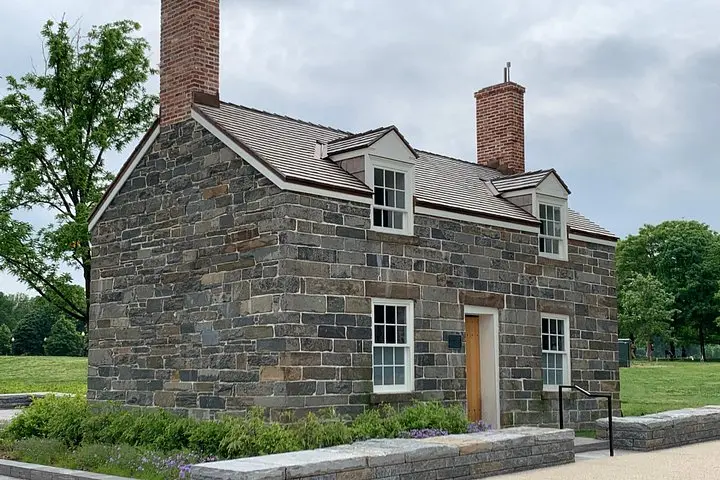
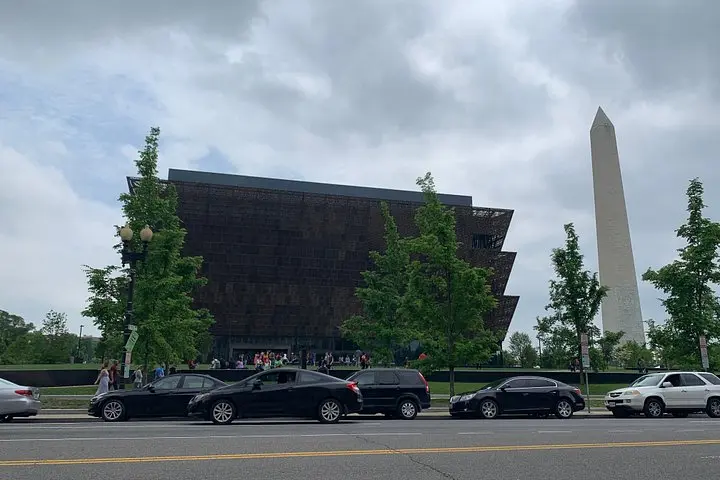
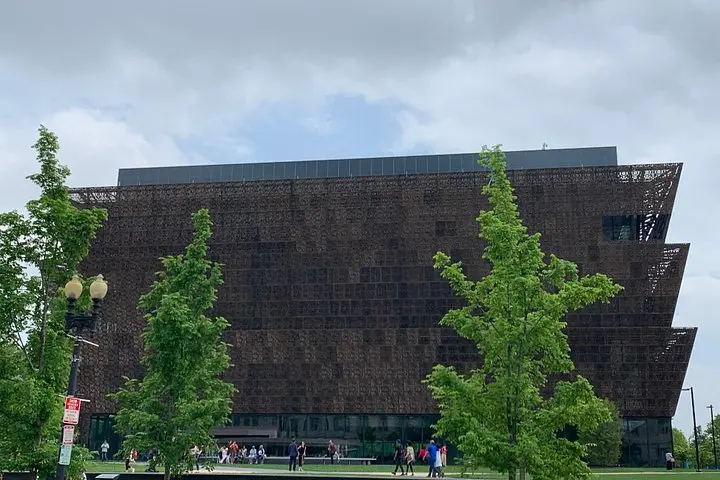
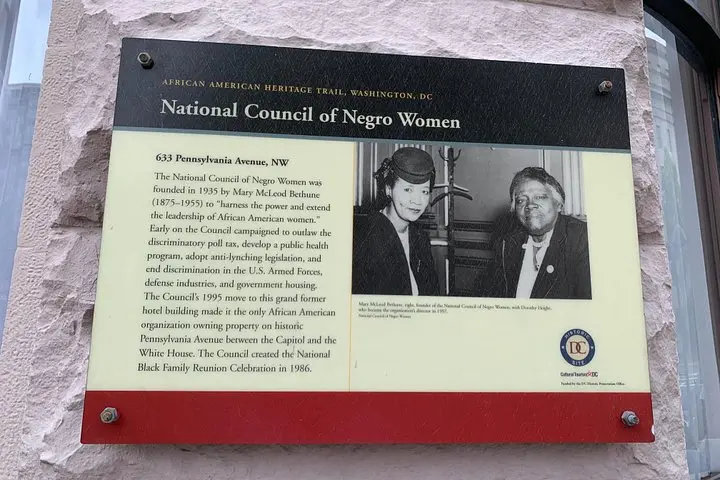
You meet at the equestrian statue of Andrew Jackson in Lafayette Square, the city noise folding around you as the guide sets a deliberate pace. The group moves across the shadow of the White House lawn, then along streets where the city’s public architecture carries the marks of federal power and private profit. The walk places you at former slave pens, the Lockhouse at Constitution and 17th, and other hard-to-ignore corners of the Federal City.
You meet at the equestrian statue of Andrew Jackson in Lafayette Square, the city noise folding around you as the guide sets a deliberate pace. The group moves across the shadow of the White House lawn, then along streets where the city’s public architecture carries the marks of federal power and private profit. The walk places you at former slave pens, the Lockhouse at Constitution and 17th, and other hard-to-ignore corners of the Federal City.
This tour traces the anatomy of slavery in Washington, D.C.: the city’s role as a commercial hub reliant on enslaved labor, the presence of slave pens and markets, and the 1862 Compensated Emancipation Act that legally ended slavery in the District. Geologically the route sits on the Atlantic Coastal Plain beside the Potomac—flat streets and short rises that once channeled trade to river piers. Architecturally, federal-style homes and carved stone facades reveal where money and policy intersected with human bondage.
Culturally, expect candid storytelling rooted in archival records and mapped to surviving sites rather than romanticized monuments. Guides often point to little-known markers and discuss how memory is preserved, contested, and reclaimed in public space.
Practical guidance: the tour is about an hour on pavement with multiple short stops; wear supportive shoes, bring water, and arrive early to find the meeting point. Photography is allowed but be respectful at sites of human suffering. Public transit and streetside parking are nearby; tours run rain or shine but allow cancellations 24 hours in advance. This walk is direct and informative—designed to connect the city’s visible landscape to the lived experiences it obscures.