THE ADVENTURE COLLECTIVE® · Independent discovery and booking for outdoor travel

Three hours on a guided minibus takes you up close to the Capitol, White House, Lincoln Memorial and World War II Memorial with context from an experienced guide. Expect short, flat walks, clear historical narration, and practical tips for photos and timing.
Three hours on a guided minibus takes you up close to the Capitol, White House, Lincoln Memorial and World War II Memorial with context from an experienced guide. Expect short, flat walks, clear historical narration, and practical tips for photos and timing.
The minibus idles in front of the Hyatt Regency as the guide checks a clipboard; the city unfolds like a civic open book, stone and bronze catching the light. Over three hours you move between the Capitol’s landscaped lawns, the White House’s guarded facade, the Lincoln Memorial’s marble steps and the reflective calm of the World War II Memorial.
Verified experiences and guided adventures in the surrounding area.
Operated by Astra tours and transportation llc · Washington, DC
The minibus idles in front of the Hyatt Regency as the guide checks a clipboard; the city unfolds like a civic open book, stone and bronze catching the light. Over three hours you move between the Capitol’s landscaped lawns, the White House’s guarded facade, the Lincoln Memorial’s marble steps and the reflective calm of the World War II Memorial.
These sites map the arc of American public memory. The Capitol grounds were shaped in the late 19th century by landscape designers who borrowed principles from urban parks, while the White House retains its Neoclassical bones from the 1790s. The Lincoln Memorial, completed in 1922, and the postwar plaza of the WWII Memorial reflect both changing architectural styles and shifting civic priorities.
Geology here is subtle: Potomac floodplain soils and imported stone create the solid platforms for monuments; granite and marble weather differently under city air and foot traffic. Culture is visible too — protests, graduations, and quiet moments of reflection make these places active, not static.
Practical edge: the tour is mostly seated with short, flat walks at each stop on paved surfaces — expect 10–20 minute strolls at most. Wear comfortable shoes for brief walking, bring a refillable water bottle, and time tours for early morning or late afternoon to avoid peak crowds and summer heat. Photography is allowed at outdoor memorials but follow guides’ directions near security perimeters. The guide’s narration ties dates and design to on-the-ground details so visitors leave informed and oriented.
The tour lasts about three hours and visits the U.S. Capitol grounds, the White House exterior, the Lincoln Memorial and the World War II Memorial with narrated stops.
Yes — it’s classified as physically easy with short walks; infants must sit on laps and children should be accompanied.
Yes, outdoor memorials are open for photography, but follow guide directions near security zones and be mindful of other visitors.
Full refunds are available if you cancel at least 24 hours before the scheduled departure time; otherwise standard refund rules apply.
Astra tours and transportation llc operates guided outdoor trips and adventures with an emphasis on safety, stewardship, and memorable experiences.


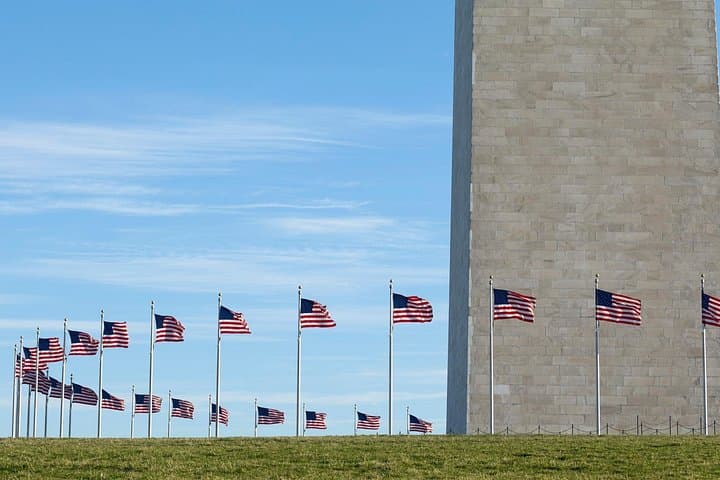
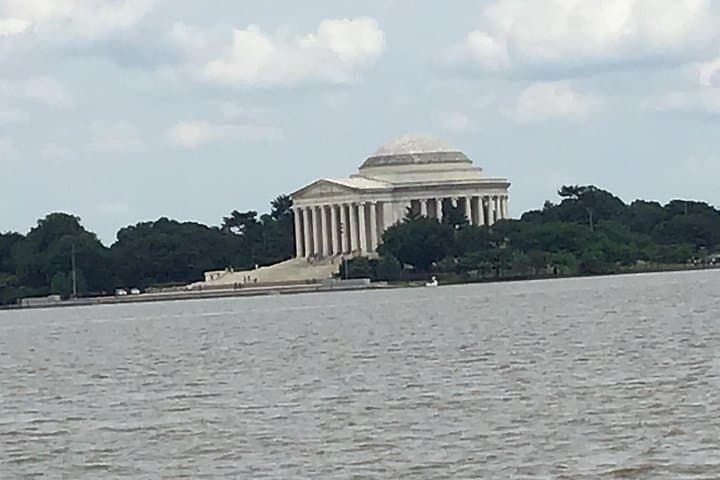
The minibus idles in front of the Hyatt Regency as the guide checks a clipboard; the city unfolds like a civic open book, stone and bronze catching the light. Over three hours you move between the Capitol’s landscaped lawns, the White House’s guarded facade, the Lincoln Memorial’s marble steps and the reflective calm of the World War II Memorial.
The minibus idles in front of the Hyatt Regency as the guide checks a clipboard; the city unfolds like a civic open book, stone and bronze catching the light. Over three hours you move between the Capitol’s landscaped lawns, the White House’s guarded facade, the Lincoln Memorial’s marble steps and the reflective calm of the World War II Memorial.
These sites map the arc of American public memory. The Capitol grounds were shaped in the late 19th century by landscape designers who borrowed principles from urban parks, while the White House retains its Neoclassical bones from the 1790s. The Lincoln Memorial, completed in 1922, and the postwar plaza of the WWII Memorial reflect both changing architectural styles and shifting civic priorities.
Geology here is subtle: Potomac floodplain soils and imported stone create the solid platforms for monuments; granite and marble weather differently under city air and foot traffic. Culture is visible too — protests, graduations, and quiet moments of reflection make these places active, not static.
Practical edge: the tour is mostly seated with short, flat walks at each stop on paved surfaces — expect 10–20 minute strolls at most. Wear comfortable shoes for brief walking, bring a refillable water bottle, and time tours for early morning or late afternoon to avoid peak crowds and summer heat. Photography is allowed at outdoor memorials but follow guides’ directions near security perimeters. The guide’s narration ties dates and design to on-the-ground details so visitors leave informed and oriented.