THE ADVENTURE COLLECTIVE® · Independent discovery and booking for outdoor travel

Catch the Washington Capitals at Capital One Arena for an intense two-hour live NHL experience. Learn what to expect on game day—ticketing, transit, seating tips, and how to prepare for the arena’s pace and atmosphere.
Catch the Washington Capitals at Capital One Arena for an intense two-hour live NHL experience. Learn what to expect on game day—ticketing, transit, seating tips, and how to prepare for the arena’s pace and atmosphere.
You step out of the Metro into the rumble of downtown D.C., the arena lights cutting a cool edge against the winter sky or summer evening. Inside Capital One Arena the ice glares white under the boards, the crowd's rhythm building into a beat that pushes forward with every whistle. This is live NHL hockey: sudden shifts, anthemic goals, and the particular gravity of seeing elite players like Alex Ovechkin in motion.
Verified experiences and guided adventures in the surrounding area.
Operated by Sports Where I Am · Washington, DC
You step out of the Metro into the rumble of downtown D.C., the arena lights cutting a cool edge against the winter sky or summer evening. Inside Capital One Arena the ice glares white under the boards, the crowd's rhythm building into a beat that pushes forward with every whistle. This is live NHL hockey: sudden shifts, anthemic goals, and the particular gravity of seeing elite players like Alex Ovechkin in motion.
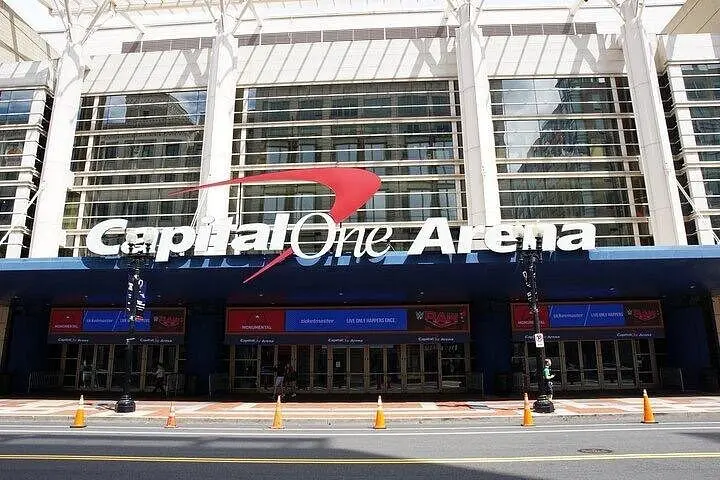
The Capitals franchise dates to 1974 and Capital One Arena opened in the heart of the city in 1997 as a focal point for sports and concerts. The building sits amid Washington's political and cultural landmarks; you can feel the city’s history in nearby theaters and museums between periods. Geologically the arena is on reclaimed downtown land—flat, urban terrain that trades natural elevation for close access and subway lines. The culture of game day mixes die-hard fans, seasonal promotions, and local music acts that appear during intermissions.
Practical guidance first: most games run about two hours with a 15–20 minute intermission between periods. Mobile e-tickets are standard—check your email and the arena’s app ahead of time and allow for security screenings. Arrive 30–60 minutes early to navigate concessions, merchandise lines, and to find your seat. Dress in layers; arenas stay cool near the ice. If you want a quieter experience, sit higher and toward the corners for clearer sightlines with less crowd noise. For families, consider lower-intensity sections and review bag and accessibility policies in advance.
With a little preparation you’ll trade a seat for the electric immediacy of pro hockey: fast decisions, roaring reactions, and a city-side outing that’s as civic as it is athletic.
Aim for 30–60 minutes before puck drop to pass security, locate your seats, and enjoy pre-game warm-ups.
Yes—Capital One Arena uses mobile/digital tickets; check email for the official game barcode and download or screenshot it ahead of arrival.
Yes—the Gallery Place–Chinatown Metro station (Red, Green, Yellow lines) is adjacent to the arena; plan for peak-time crowds after the game.
The arena has a bag policy and security screening; carry a clear bag or check the venue’s policy on prohibited items before attending.
Sports Where I Am operates guided outdoor trips and adventures with an emphasis on safety, stewardship, and memorable experiences.
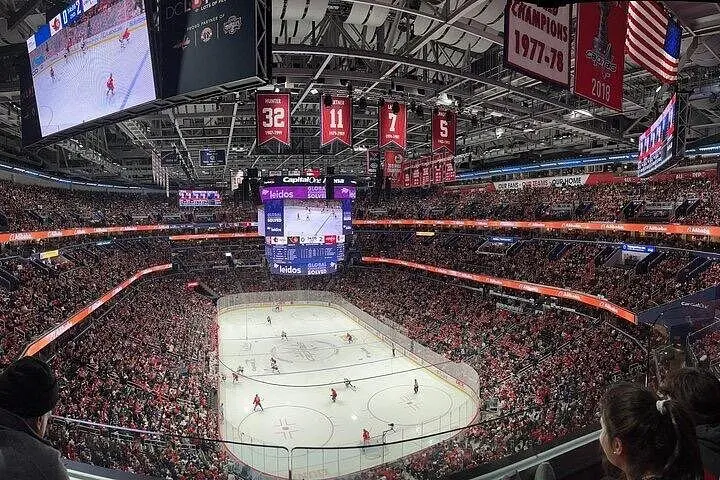
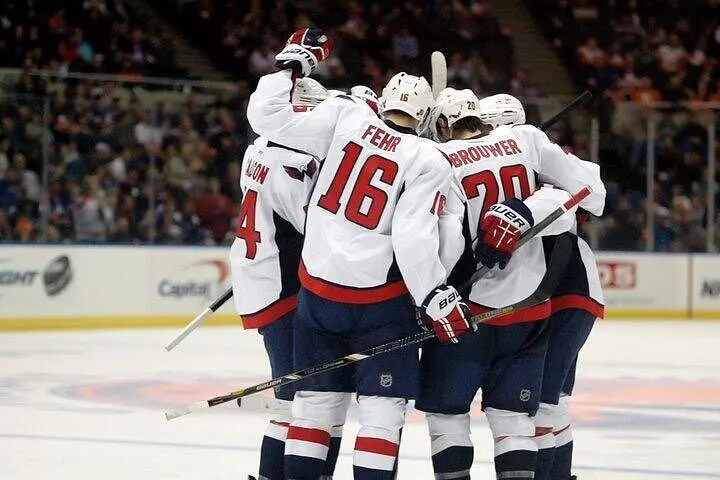
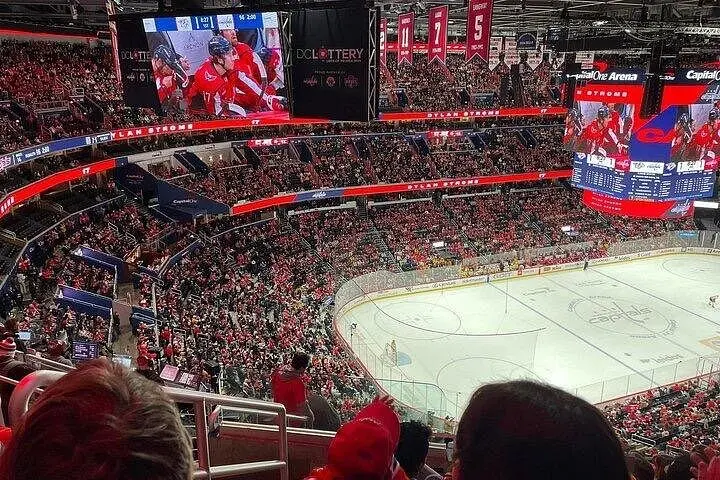
You step out of the Metro into the rumble of downtown D.C., the arena lights cutting a cool edge against the winter sky or summer evening. Inside Capital One Arena the ice glares white under the boards, the crowd's rhythm building into a beat that pushes forward with every whistle. This is live NHL hockey: sudden shifts, anthemic goals, and the particular gravity of seeing elite players like Alex Ovechkin in motion.
You step out of the Metro into the rumble of downtown D.C., the arena lights cutting a cool edge against the winter sky or summer evening. Inside Capital One Arena the ice glares white under the boards, the crowd's rhythm building into a beat that pushes forward with every whistle. This is live NHL hockey: sudden shifts, anthemic goals, and the particular gravity of seeing elite players like Alex Ovechkin in motion.
The Capitals franchise dates to 1974 and Capital One Arena opened in the heart of the city in 1997 as a focal point for sports and concerts. The building sits amid Washington's political and cultural landmarks; you can feel the city’s history in nearby theaters and museums between periods. Geologically the arena is on reclaimed downtown land—flat, urban terrain that trades natural elevation for close access and subway lines. The culture of game day mixes die-hard fans, seasonal promotions, and local music acts that appear during intermissions.
Practical guidance first: most games run about two hours with a 15–20 minute intermission between periods. Mobile e-tickets are standard—check your email and the arena’s app ahead of time and allow for security screenings. Arrive 30–60 minutes early to navigate concessions, merchandise lines, and to find your seat. Dress in layers; arenas stay cool near the ice. If you want a quieter experience, sit higher and toward the corners for clearer sightlines with less crowd noise. For families, consider lower-intensity sections and review bag and accessibility policies in advance.
With a little preparation you’ll trade a seat for the electric immediacy of pro hockey: fast decisions, roaring reactions, and a city-side outing that’s as civic as it is athletic.