THE ADVENTURE COLLECTIVE® · Independent discovery and booking for outdoor travel
A full-day trip from Jakarta that combines a 2.5 km waterfall hike and a visit to active Tangkuban Parahu volcano, capped with sulfurous hot springs and local palm-sugar tastings. Expect mountain views, boardwalk crater overlooks, and a restorative soak.
A full-day trip from Jakarta that combines a 2.5 km waterfall hike and a visit to active Tangkuban Parahu volcano, capped with sulfurous hot springs and local palm-sugar tastings. Expect mountain views, boardwalk crater overlooks, and a restorative soak.
Morning light slices through rice paddies as the group steps off the minivan and onto a compacted trail. The first leg is a 2.5-kilometer walk from the car park to a mountain-fed waterfall—terraced fields to one side, sticky rice plants and palm trees lining the path—where the river dares you to take a cold, clear dip.
Verified experiences and guided adventures in the surrounding area.
Morning light slices through rice paddies as the group steps off the minivan and onto a compacted trail. The first leg is a 2.5-kilometer walk from the car park to a mountain-fed waterfall—terraced fields to one side, sticky rice plants and palm trees lining the path—where the river dares you to take a cold, clear dip.
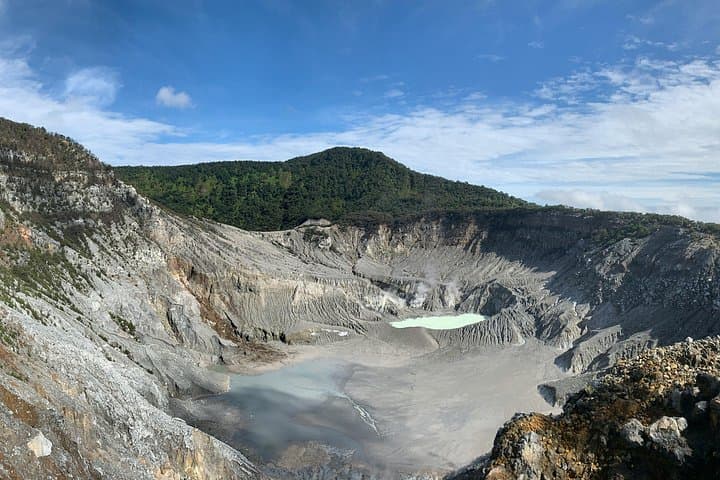
The landscape here is volcanic: weathered andesites and ash from the Sunda Arc shape steep ridges and fertile valleys. Not far away, Tangkuban Parahu sits like an inverted canoe—a living crater that billows sulfur-scented steam. Locals tell the legend of Sangkuriang, a folk tale that explains the volcano’s peculiar shape; historically the area has supported horticulture, palm-sugar production, and hot-spring bathing for generations.
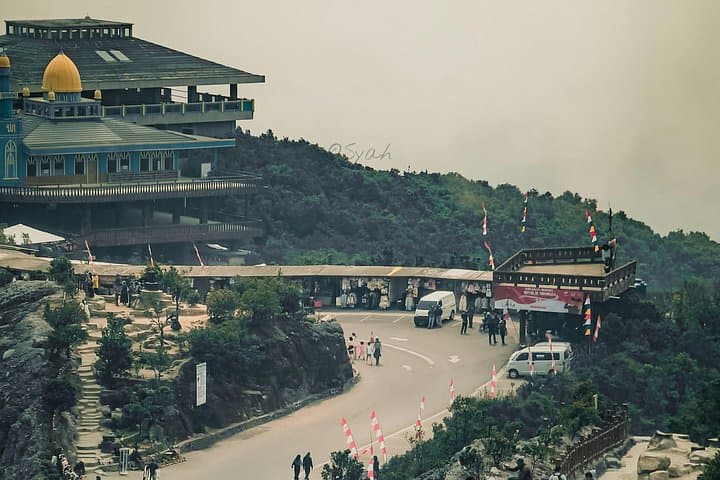
Practical bits matter: expect roughly 2.5 km of hiking with a modest elevation gain (roughly 150–250 m) over uneven, sometimes muddy trails. After the waterfall swim and a simple local lunch, the trip drives about 20 minutes to Tangkuban Parahu where short boardwalks and viewpoints reveal fumaroles and sulfur vents—keep to the marked paths and follow guide instructions because gases can be strong.
Finish at natural hot springs where public pools or private soaking rooms offer warm, sulfurous relief—some venues include a brief local massage. Plan for a 10–12 hour day from Jakarta, wear grippy shoes, bring layered clothing for variable mountain weather, and carry water and a small first-aid kit. This is a sensory day: river chill, volcanic breath, and the steady rhythm of rural West Java life.
Yes—Tangkuban Parahu is a monitored tourist site with maintained viewpoints and paths; follow guides’ instructions and avoid prohibited areas near active fumaroles.
Yes—many visitors swim in the waterfall pool and use public or private hot-spring pools, but check water temperature and depth before entering and respect local rules.
The approach is about 2.5 km from the car park with modest elevation gain (approximately 150–250 m); terrain can be uneven and muddy—moderate fitness is recommended.
Most day tours include pickup and drop-off from central Jakarta or nearby hotels—confirm pickup point when booking and factor in traffic which can extend travel time.
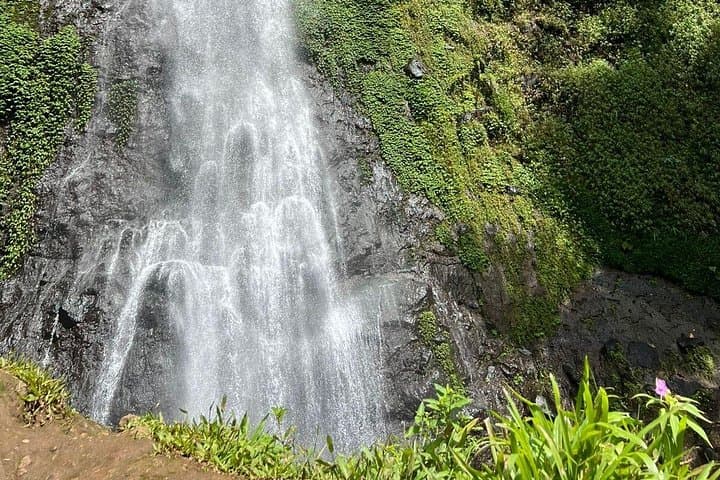
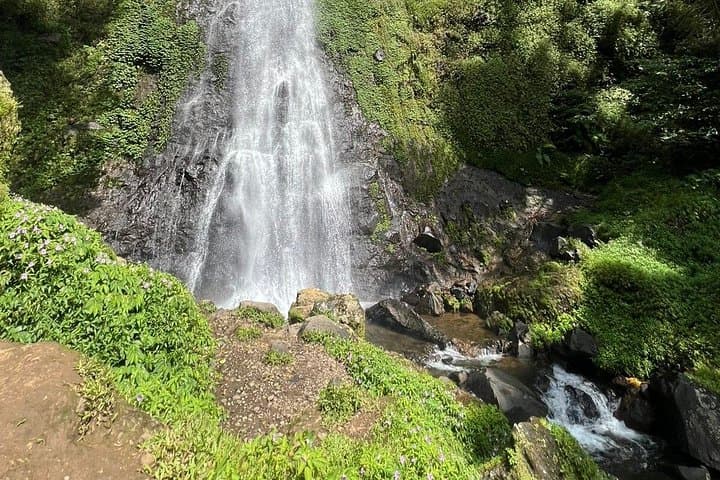
Morning light slices through rice paddies as the group steps off the minivan and onto a compacted trail. The first leg is a 2.5-kilometer walk from the car park to a mountain-fed waterfall—terraced fields to one side, sticky rice plants and palm trees lining the path—where the river dares you to take a cold, clear dip.
Morning light slices through rice paddies as the group steps off the minivan and onto a compacted trail. The first leg is a 2.5-kilometer walk from the car park to a mountain-fed waterfall—terraced fields to one side, sticky rice plants and palm trees lining the path—where the river dares you to take a cold, clear dip.
The landscape here is volcanic: weathered andesites and ash from the Sunda Arc shape steep ridges and fertile valleys. Not far away, Tangkuban Parahu sits like an inverted canoe—a living crater that billows sulfur-scented steam. Locals tell the legend of Sangkuriang, a folk tale that explains the volcano’s peculiar shape; historically the area has supported horticulture, palm-sugar production, and hot-spring bathing for generations.
Practical bits matter: expect roughly 2.5 km of hiking with a modest elevation gain (roughly 150–250 m) over uneven, sometimes muddy trails. After the waterfall swim and a simple local lunch, the trip drives about 20 minutes to Tangkuban Parahu where short boardwalks and viewpoints reveal fumaroles and sulfur vents—keep to the marked paths and follow guide instructions because gases can be strong.
Finish at natural hot springs where public pools or private soaking rooms offer warm, sulfurous relief—some venues include a brief local massage. Plan for a 10–12 hour day from Jakarta, wear grippy shoes, bring layered clothing for variable mountain weather, and carry water and a small first-aid kit. This is a sensory day: river chill, volcanic breath, and the steady rhythm of rural West Java life.
