THE ADVENTURE COLLECTIVE® · Independent discovery and booking for outdoor travel

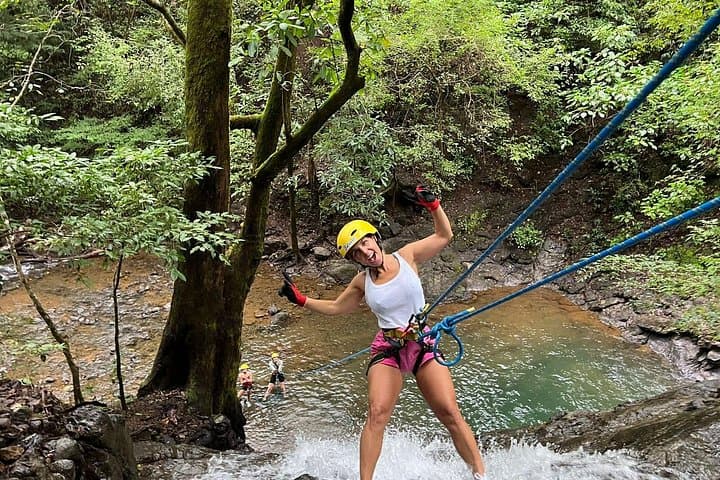
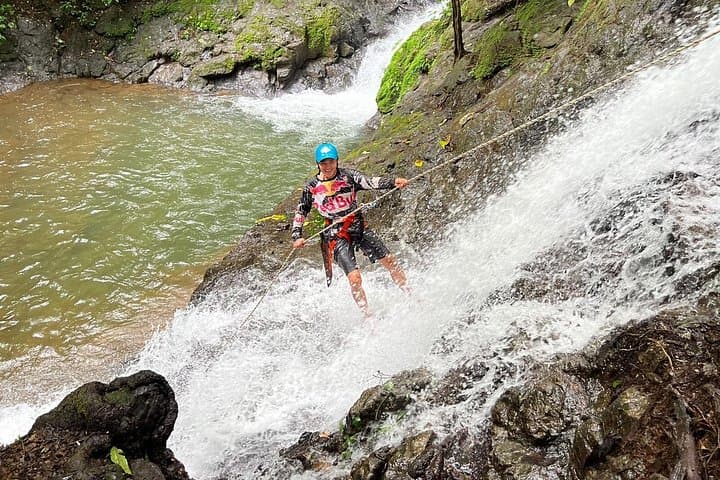
Descend a 20-meter jungle waterfall just 6 km from Nosara’s center. This guided rappelling trip combines a short river-crossing hike with hands-on rope instruction and a wet, adrenaline-charged rappel into a moss-lined pool.
Descend a 20-meter jungle waterfall just 6 km from Nosara’s center. This guided rappelling trip combines a short river-crossing hike with hands-on rope instruction and a wet, adrenaline-charged rappel into a moss-lined pool.
You push through low branches and the jungle breathes around you—humidity heavy, birds calling overhead—while a narrow trail threads over shallow river crossings toward a roar that grows with every step. Six kilometers from Nosara town, the trail opens onto a 20-meter drop called “The Bad Night,” a cascade that sends spray dancing off mossy rock and dares you to descend.
Verified experiences and guided adventures in the surrounding area.
Operated by Costa Rica Descents · Nosara, Guanacaste
You push through low branches and the jungle breathes around you—humidity heavy, birds calling overhead—while a narrow trail threads over shallow river crossings toward a roar that grows with every step. Six kilometers from Nosara town, the trail opens onto a 20-meter drop called “The Bad Night,” a cascade that sends spray dancing off mossy rock and dares you to descend.
The route follows coastal-Guanacaste terrain shaped by volcanic soils and seasonal rivers; the surrounding forest is secondary growth that reclaimed old ranchland after the area shifted from fishing and cattle to eco-tourism. Local guides—many from Nosara’s surf and nature community—run short, safety-first programs that combine rope instruction with regional context: how the rainy season swells the fall, where wildlife like howler monkeys make themselves known, and why keeping soap out of streams matters to local watersheds.
Practically: expect a 1–2 km hike with multiple stream crossings and slick rock, a gear briefing, and one-by-one rappels down a wet, single-line 20 m descent; second runs are often available. Wear sturdy, closed-toe shoes, quick-dry clothing, and bring a small waterproof bag for valuables. Mid-morning departures avoid the heaviest heat and the late-afternoon thunderstorms in the rainy season. The activity is suitable for most fit visitors, but it’s not recommended for pregnant guests or those with spinal or serious heart conditions. Guides supply ropes, harnesses, helmets, and bottled water—your job is to move steady, listen to instruction, and take in the green rush as the river pulls you toward the pool below.
No—guides provide a full safety briefing and practice before the descent; basic comfort with heights helps, but instruction covers rigging and proper posture.
Families with older children who meet weight and health requirements can participate, but check age and weight limits with the operator—supervision and harness fit are critical.
The tour can be canceled for heavy rain or unsafe river conditions; operators typically offer full refunds for cancellations at least 24 hours prior or if guides call it off for safety.
Yes, many guides can arrange a second descent subject to timing and group pace—ask on site if you want an additional run.
Costa Rica Descents operates guided outdoor trips and adventures with an emphasis on safety, stewardship, and memorable experiences.


You push through low branches and the jungle breathes around you—humidity heavy, birds calling overhead—while a narrow trail threads over shallow river crossings toward a roar that grows with every step. Six kilometers from Nosara town, the trail opens onto a 20-meter drop called “The Bad Night,” a cascade that sends spray dancing off mossy rock and dares you to descend.
You push through low branches and the jungle breathes around you—humidity heavy, birds calling overhead—while a narrow trail threads over shallow river crossings toward a roar that grows with every step. Six kilometers from Nosara town, the trail opens onto a 20-meter drop called “The Bad Night,” a cascade that sends spray dancing off mossy rock and dares you to descend.
The route follows coastal-Guanacaste terrain shaped by volcanic soils and seasonal rivers; the surrounding forest is secondary growth that reclaimed old ranchland after the area shifted from fishing and cattle to eco-tourism. Local guides—many from Nosara’s surf and nature community—run short, safety-first programs that combine rope instruction with regional context: how the rainy season swells the fall, where wildlife like howler monkeys make themselves known, and why keeping soap out of streams matters to local watersheds.
Practically: expect a 1–2 km hike with multiple stream crossings and slick rock, a gear briefing, and one-by-one rappels down a wet, single-line 20 m descent; second runs are often available. Wear sturdy, closed-toe shoes, quick-dry clothing, and bring a small waterproof bag for valuables. Mid-morning departures avoid the heaviest heat and the late-afternoon thunderstorms in the rainy season. The activity is suitable for most fit visitors, but it’s not recommended for pregnant guests or those with spinal or serious heart conditions. Guides supply ropes, harnesses, helmets, and bottled water—your job is to move steady, listen to instruction, and take in the green rush as the river pulls you toward the pool below.