THE ADVENTURE COLLECTIVE® · Independent discovery and booking for outdoor travel

Walk the streets of Colonial Williamsburg and hear the untold stories of African Americans who lived, labored, and resisted in 18th‑century Virginia. This 2‑hour guided tour focuses on graves, courthouses, and the legal history that shaped lives and freedom.
Walk the streets of Colonial Williamsburg and hear the untold stories of African Americans who lived, labored, and resisted in 18th‑century Virginia. This 2‑hour guided tour focuses on graves, courthouses, and the legal history that shaped lives and freedom.
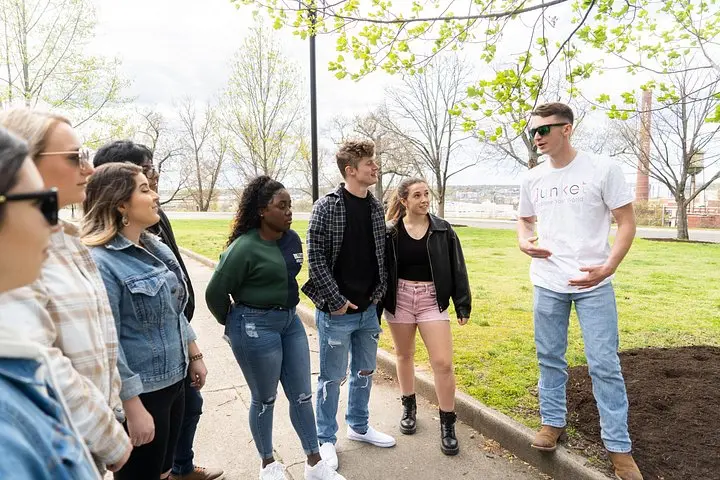
Morning light finds Colonial Williamsburg's brick streets cool beneath a steady small-town sky. A guide in a white Junket t-shirt gathers the group outside the Kimball Theatre; the town's facades—shopfronts, taverns, and stately homes—hold the imprint of lives rarely taught in schoolbooks. This two-hour walking tour moves at an intentional pace, letting buildings, graveyards, and courthouse steps speak.
Verified experiences and guided adventures in the surrounding area.
Operated by Junket: Williamsburg Premium Walking Tours and Experiences · Williamsburg, Virginia
Morning light finds Colonial Williamsburg's brick streets cool beneath a steady small-town sky. A guide in a white Junket t-shirt gathers the group outside the Kimball Theatre; the town's facades—shopfronts, taverns, and stately homes—hold the imprint of lives rarely taught in schoolbooks. This two-hour walking tour moves at an intentional pace, letting buildings, graveyards, and courthouse steps speak.
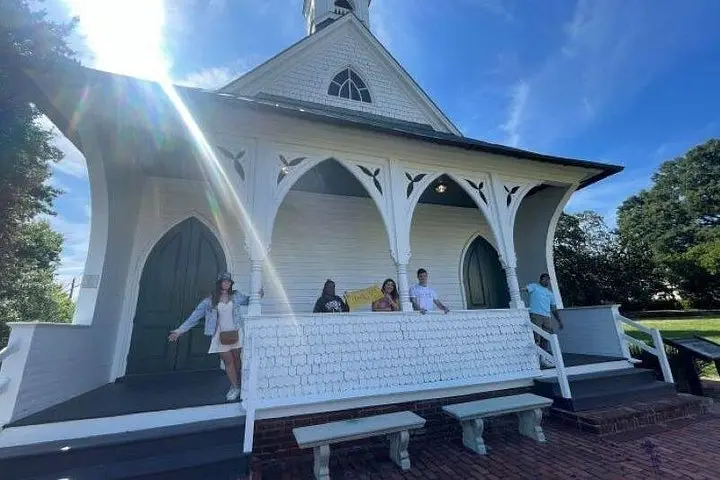
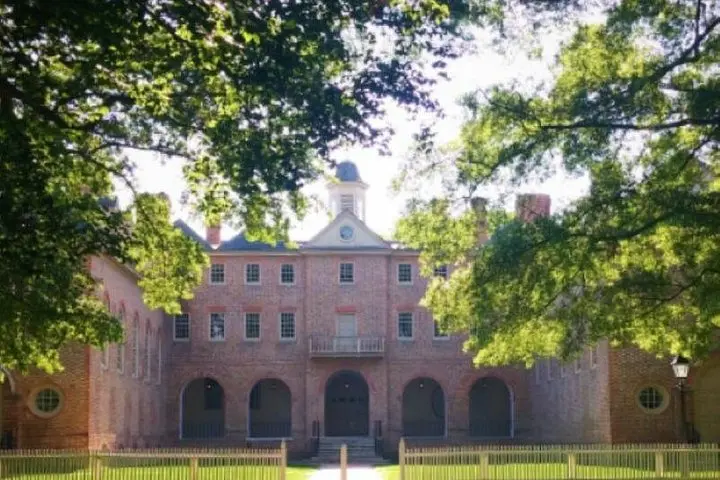
The route traces the complicated role of African Americans in 18th-century Virginia: enslaved laborers buried at the Historic First Baptist Church, the contested freedom offered by Lord Dunmore's wartime proclamation, and individuals like the woman who left property to her freed servants. Geology here is unassuming—flat coastal plain, red clay underfoot, proximity to the James River that shaped settlement and economy—but the culture is layered, built on legal codes, religious life, and the College of William & Mary's civic power.
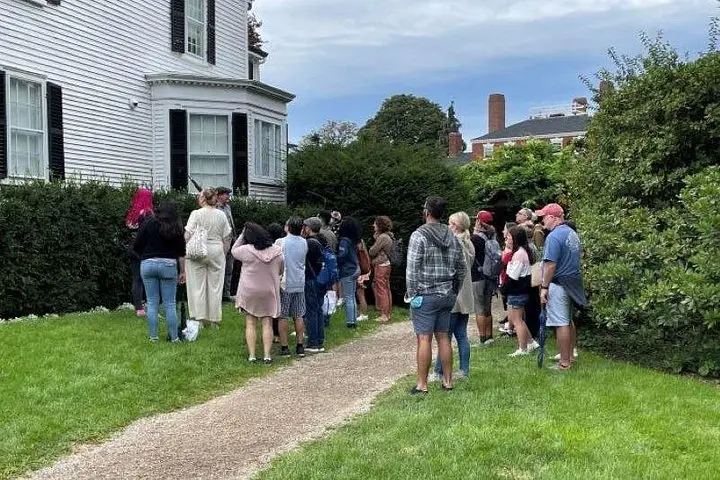
Expect clear, research-driven narration. Guides pause outside key sites—courthouse steps, tavern exteriors, and historic homes—illuminating how law, commerce, and personal choices intersected with bondage and resistance. Practicalities are straightforward: mostly paved, stroller-accessible paths, intermittent benches, and a modest amount of walking across uneven stone.
Bring supportive shoes, water, and curiosity; plan for respectful observation at sacred sites. If you want interior access to certain buildings, note the tour’s bonus church visits run only on select days and depend on availability. This is a close-in, place-based history walk that asks you to listen carefully to the town's overlooked voices while giving clear, usable context for what you see.
Meet in front of the Kimball Theatre in Colonial Williamsburg; the guide will wear a white Junket t‑shirt and you should arrive 10–15 minutes early.
The route uses mostly paved streets and is stroller accessible; some uneven stone sections may be challenging for some wheelchairs—check with the operator if you require special accommodations.
The tour stays outside most attractions; a bonus interior visit to the Historic First Baptist Church is available only on select days and subject to availability.
Yes—families with older children who can walk and listen for extended periods will find it appropriate; content covers difficult historical topics and may not be suitable for very young children.
Junket: Williamsburg Premium Walking Tours and Experiences operates guided outdoor trips and adventures with an emphasis on safety, stewardship, and memorable experiences.
Morning light finds Colonial Williamsburg's brick streets cool beneath a steady small-town sky. A guide in a white Junket t-shirt gathers the group outside the Kimball Theatre; the town's facades—shopfronts, taverns, and stately homes—hold the imprint of lives rarely taught in schoolbooks. This two-hour walking tour moves at an intentional pace, letting buildings, graveyards, and courthouse steps speak.
Morning light finds Colonial Williamsburg's brick streets cool beneath a steady small-town sky. A guide in a white Junket t-shirt gathers the group outside the Kimball Theatre; the town's facades—shopfronts, taverns, and stately homes—hold the imprint of lives rarely taught in schoolbooks. This two-hour walking tour moves at an intentional pace, letting buildings, graveyards, and courthouse steps speak.
The route traces the complicated role of African Americans in 18th-century Virginia: enslaved laborers buried at the Historic First Baptist Church, the contested freedom offered by Lord Dunmore's wartime proclamation, and individuals like the woman who left property to her freed servants. Geology here is unassuming—flat coastal plain, red clay underfoot, proximity to the James River that shaped settlement and economy—but the culture is layered, built on legal codes, religious life, and the College of William & Mary's civic power.
Expect clear, research-driven narration. Guides pause outside key sites—courthouse steps, tavern exteriors, and historic homes—illuminating how law, commerce, and personal choices intersected with bondage and resistance. Practicalities are straightforward: mostly paved, stroller-accessible paths, intermittent benches, and a modest amount of walking across uneven stone.
Bring supportive shoes, water, and curiosity; plan for respectful observation at sacred sites. If you want interior access to certain buildings, note the tour’s bonus church visits run only on select days and depend on availability. This is a close-in, place-based history walk that asks you to listen carefully to the town's overlooked voices while giving clear, usable context for what you see.