THE ADVENTURE COLLECTIVE® · Independent discovery and booking for outdoor travel

Two days of Ottoman stone streets, hands-on cooking, UNESCO ruins and Ionian swimming — all driven by scenic mountain roads. This compact weekend blends cultural history and easy coastal adventure for travelers who want depth without a long trip.
Two days of Ottoman stone streets, hands-on cooking, UNESCO ruins and Ionian swimming — all driven by scenic mountain roads. This compact weekend blends cultural history and easy coastal adventure for travelers who want depth without a long trip.
Morning light breaks over hairpin turns as the minivan eases down from the central Albanian highlands toward the Drino valley. Stone houses in Gjirokastër sit on the slope like pages of a hardback book; the castle watches the road and the river dares you to slow down and look.
Verified experiences and guided adventures in the surrounding area.
Operated by Enjoy Travel · Gjirokastër, Gjirokastër County
Morning light breaks over hairpin turns as the minivan eases down from the central Albanian highlands toward the Drino valley. Stone houses in Gjirokastër sit on the slope like pages of a hardback book; the castle watches the road and the river dares you to slow down and look.
Gjirokastër’s cobbled bazaar and Ottoman-era houses tell a practical story of craft and survival—skilled masonry, slate roofs and narrow lanes designed for foot traffic, not modern cars. The geology here is folded limestone and schist, carved by centuries of runoff into terraces and olive-studded slopes. A hands-on cooking class in a family kitchen pulls local flavors into focus—qifqi rice balls, byrek, and raki that punctuates conversation.
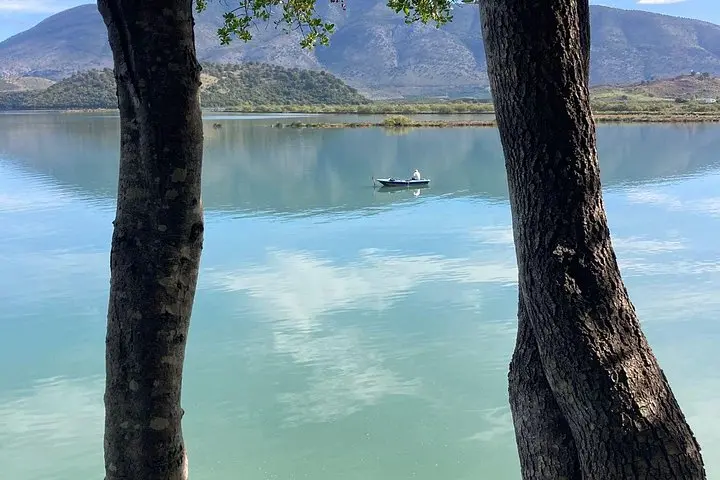
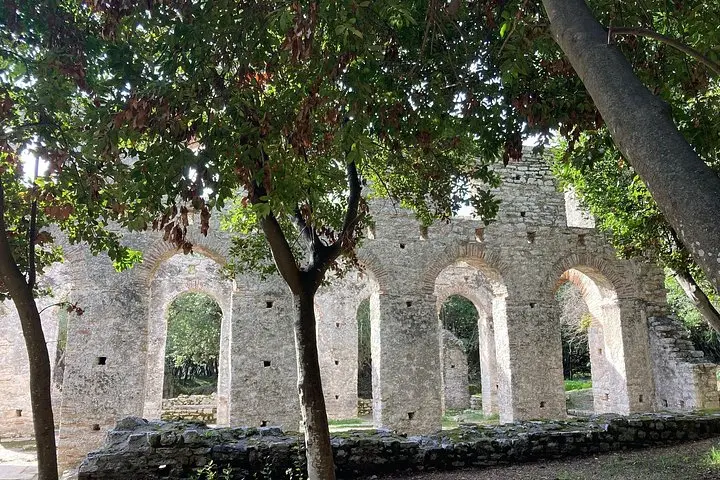
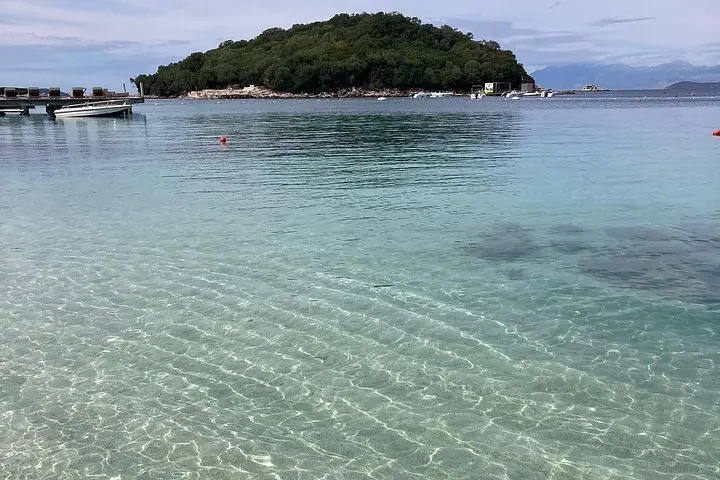
On day two the route slips toward the Ionian: Butrint’s layered ruins—Greek, Roman, Byzantine—sit in a wetland pocket where reeds and ancient stones compete for attention. The coast at Ksamil answers with small islets and clear water that invites a late-afternoon swim or a short boat hop.
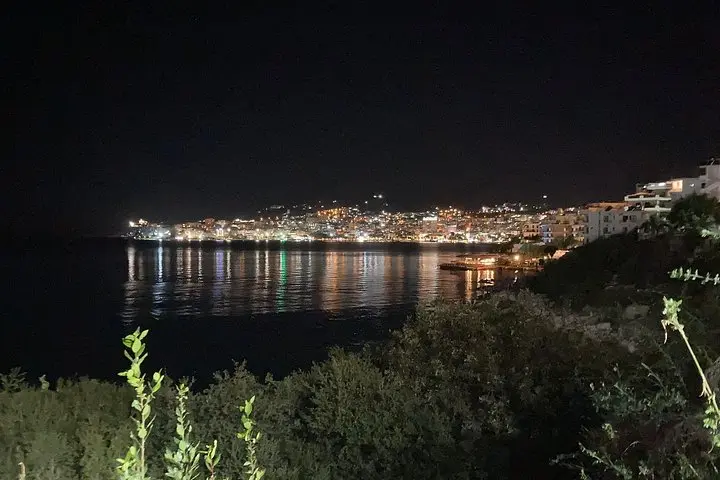
Practical guidance: the tour covers rugged town streets and short archaeological walks—expect uneven cobbles and short stair climbs; Gjirokastër town sits around 300 m elevation, and drives between sites can total about 4–5 hours round-trip from Tirana with scenic stops. Bring sturdy walking shoes, sun protection, a light rain layer in shoulder seasons, and some cash for small shops. If you want quieter moments, ask to linger at Lekursi viewpoint above Sarandë for sunset—an easy extra for photographers and walkers alike.
Expect roughly 3.5–4.5 hours of driving each way depending on traffic and stops; the itinerary schedules scenic breaks during the route.
Yes—entrance to Butrint National Park and Gjirokastër Castle are included per the itinerary details.
The tour is rated easy for physical effort but includes uneven cobbles and stairs; children and those with limited mobility should plan for assisted movement and discuss needs with the operator.
Guides are typically English-speaking; confirm language needs when booking to request another language if available.
Enjoy Travel operates guided outdoor trips and adventures with an emphasis on safety, stewardship, and memorable experiences.
Morning light breaks over hairpin turns as the minivan eases down from the central Albanian highlands toward the Drino valley. Stone houses in Gjirokastër sit on the slope like pages of a hardback book; the castle watches the road and the river dares you to slow down and look.
Morning light breaks over hairpin turns as the minivan eases down from the central Albanian highlands toward the Drino valley. Stone houses in Gjirokastër sit on the slope like pages of a hardback book; the castle watches the road and the river dares you to slow down and look.
Gjirokastër’s cobbled bazaar and Ottoman-era houses tell a practical story of craft and survival—skilled masonry, slate roofs and narrow lanes designed for foot traffic, not modern cars. The geology here is folded limestone and schist, carved by centuries of runoff into terraces and olive-studded slopes. A hands-on cooking class in a family kitchen pulls local flavors into focus—qifqi rice balls, byrek, and raki that punctuates conversation.
On day two the route slips toward the Ionian: Butrint’s layered ruins—Greek, Roman, Byzantine—sit in a wetland pocket where reeds and ancient stones compete for attention. The coast at Ksamil answers with small islets and clear water that invites a late-afternoon swim or a short boat hop.
Practical guidance: the tour covers rugged town streets and short archaeological walks—expect uneven cobbles and short stair climbs; Gjirokastër town sits around 300 m elevation, and drives between sites can total about 4–5 hours round-trip from Tirana with scenic stops. Bring sturdy walking shoes, sun protection, a light rain layer in shoulder seasons, and some cash for small shops. If you want quieter moments, ask to linger at Lekursi viewpoint above Sarandë for sunset—an easy extra for photographers and walkers alike.