THE ADVENTURE COLLECTIVE® · Independent discovery and booking for outdoor travel

Walk Chișinău with an expat guide who explains the city’s layered past—Soviet rebuilds, 19th-century architecture, and lively park culture—on a compact two-hour tour. Learn where to pause, what to taste, and how the city’s green spaces shape daily life.
Walk Chișinău with an expat guide who explains the city’s layered past—Soviet rebuilds, 19th-century architecture, and lively park culture—on a compact two-hour tour. Learn where to pause, what to taste, and how the city’s green spaces shape daily life.
You enter Chișinău through Stefan cel Mare Park, its lime and chestnut trees marking a blunt edge between boulevard traffic and a quieter city pulse. Musicians sometimes take the fountain steps; older men follow the chess games while younger artists sketch church domes against apartment blocks. A local guide who’s lived here for six years offers a human map—pointing to façades, street names, and the river that threads the city—and explains what’s visible and what’s been patched over.
Verified experiences and guided adventures in the surrounding area.
Operated by Safe Travel Agency · Chișinău, Chișinău Municipality
You enter Chișinău through Stefan cel Mare Park, its lime and chestnut trees marking a blunt edge between boulevard traffic and a quieter city pulse. Musicians sometimes take the fountain steps; older men follow the chess games while younger artists sketch church domes against apartment blocks. A local guide who’s lived here for six years offers a human map—pointing to façades, street names, and the river that threads the city—and explains what’s visible and what’s been patched over.
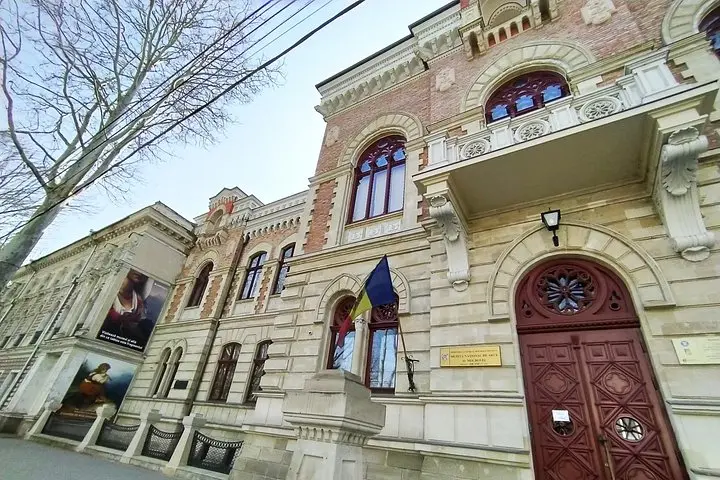
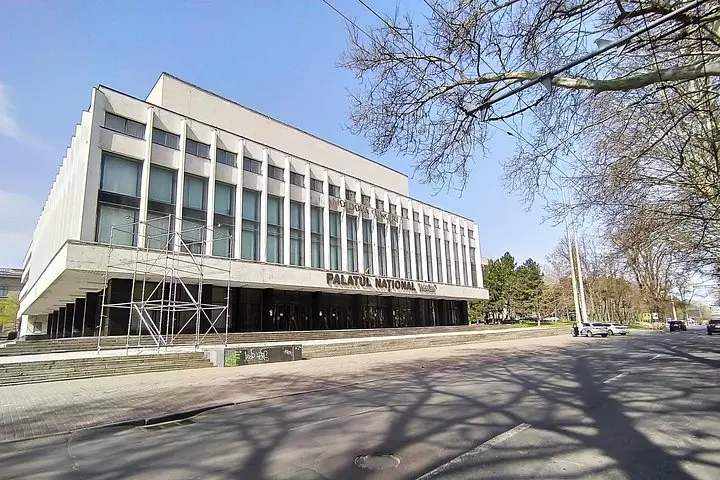
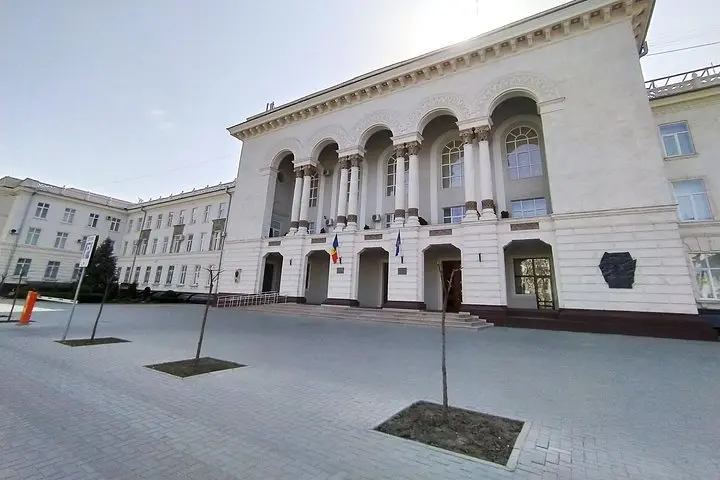
The route traces late-19th-century architecture by Alessandro Bernardazzi, the austere silhouette of the Nativity Cathedral, and avenues named for composers and poets that reveal Soviet-era rebuilds layered over older Moldovan civic life. Geologically, Chișinău sits on low rolling hills above the Bîc River floodplain; the city’s green spaces originated as planned parks in Imperial and later Soviet periods and remain core to urban life. Expect a mix of civic history, post-Soviet resilience, and everyday culture—markets, café terraces, and street art that speak to contemporary Moldova.
Practically: the tour is two hours on mostly paved streets with short walks between stops; it’s wheelchair accessible and suitable for most fitness levels. Bottled water is provided; bring local currency (Moldovan leu) for small purchases and cafe stops. Aim for morning or late afternoon to avoid midday heat in summer and to catch softer light for photos. Ask your guide about nearby wineries or the National Museum if you want an extended cultural deep-dive after the walk.
Yes—this private tour is marked wheelchair accessible; confirm pickup location and any route preferences when booking.
No—admissions to museums or special exhibitions are typically not included; the guide will point them out and advise on tickets.
Yes—since the tour is private, the guide can adapt highlights or pace to suit interests and mobility needs if arranged in advance.
Bookings are private and designed for your group; check the operator’s booking limits when reserving.
Safe Travel Agency operates guided outdoor trips and adventures with an emphasis on safety, stewardship, and memorable experiences.
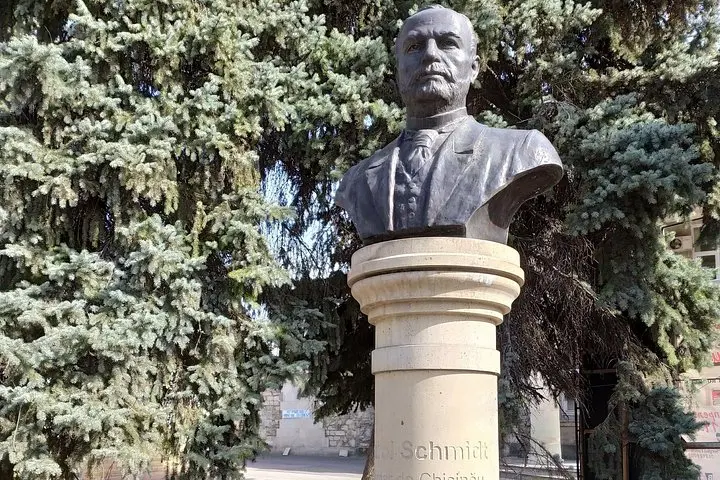
You enter Chișinău through Stefan cel Mare Park, its lime and chestnut trees marking a blunt edge between boulevard traffic and a quieter city pulse. Musicians sometimes take the fountain steps; older men follow the chess games while younger artists sketch church domes against apartment blocks. A local guide who’s lived here for six years offers a human map—pointing to façades, street names, and the river that threads the city—and explains what’s visible and what’s been patched over.
You enter Chișinău through Stefan cel Mare Park, its lime and chestnut trees marking a blunt edge between boulevard traffic and a quieter city pulse. Musicians sometimes take the fountain steps; older men follow the chess games while younger artists sketch church domes against apartment blocks. A local guide who’s lived here for six years offers a human map—pointing to façades, street names, and the river that threads the city—and explains what’s visible and what’s been patched over.
The route traces late-19th-century architecture by Alessandro Bernardazzi, the austere silhouette of the Nativity Cathedral, and avenues named for composers and poets that reveal Soviet-era rebuilds layered over older Moldovan civic life. Geologically, Chișinău sits on low rolling hills above the Bîc River floodplain; the city’s green spaces originated as planned parks in Imperial and later Soviet periods and remain core to urban life. Expect a mix of civic history, post-Soviet resilience, and everyday culture—markets, café terraces, and street art that speak to contemporary Moldova.
Practically: the tour is two hours on mostly paved streets with short walks between stops; it’s wheelchair accessible and suitable for most fitness levels. Bottled water is provided; bring local currency (Moldovan leu) for small purchases and cafe stops. Aim for morning or late afternoon to avoid midday heat in summer and to catch softer light for photos. Ask your guide about nearby wineries or the National Museum if you want an extended cultural deep-dive after the walk.