THE ADVENTURE COLLECTIVE® · Independent discovery and booking for outdoor travel

Cycle across acacia plains beneath the shadow of Mount Kilimanjaro, camp under open skies, and encounter Maasai culture and abundant savannah wildlife. This two-day off-road tour pairs approachable mileage with big views and nightly campfires.
Cycle across acacia plains beneath the shadow of Mount Kilimanjaro, camp under open skies, and encounter Maasai culture and abundant savannah wildlife. This two-day off-road tour pairs approachable mileage with big views and nightly campfires.
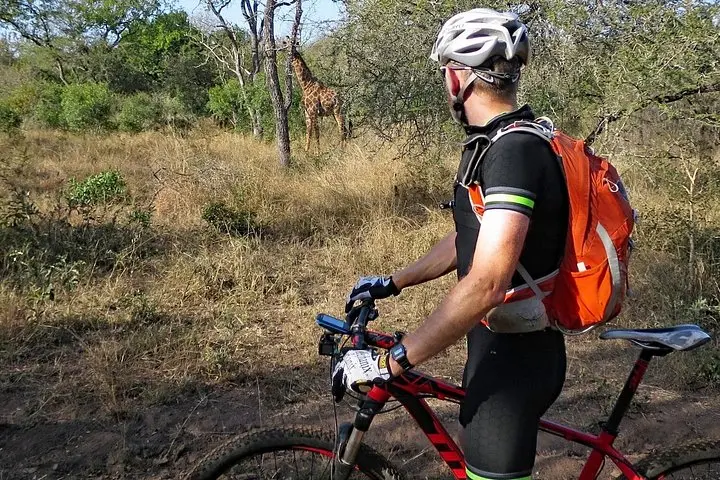
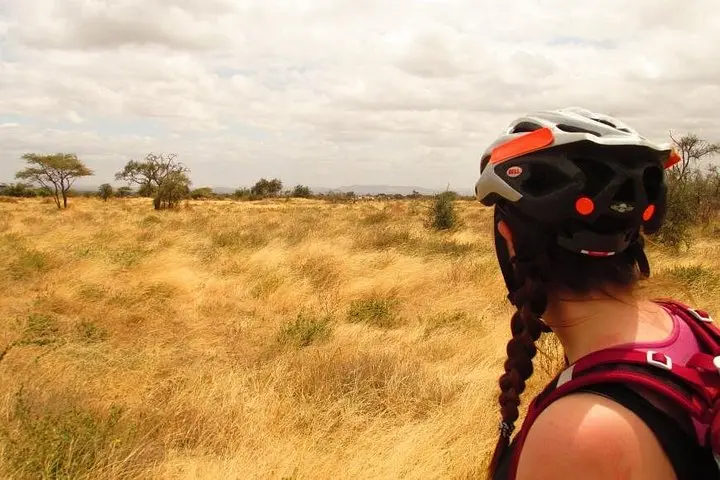
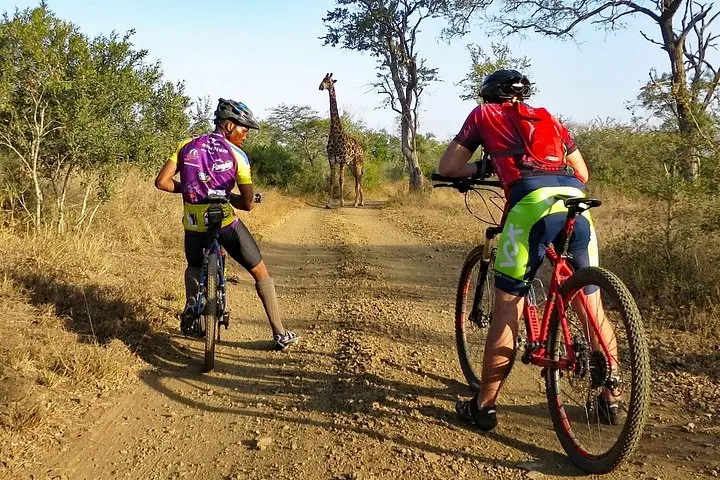
You push off from a dusty village track as Kilimanjaro’s bulk sits like a slow-moving weather system to the east — its snow-capped cone watching over acacia-dotted plains. The road alternates between packed red earth and grass-cut ruts; giraffes lift their heads at the ridge while a baboon troop moves through thorn scrub. By late afternoon the sun lowers the mountain into a silhouette and a small convoy of riders pulls into a communal campsite where a fire is already burning.
Verified experiences and guided adventures in the surrounding area.
Operated by Kili Bike Adventures · Moshi, Kilimanjaro Region
You push off from a dusty village track as Kilimanjaro’s bulk sits like a slow-moving weather system to the east — its snow-capped cone watching over acacia-dotted plains. The road alternates between packed red earth and grass-cut ruts; giraffes lift their heads at the ridge while a baboon troop moves through thorn scrub. By late afternoon the sun lowers the mountain into a silhouette and a small convoy of riders pulls into a communal campsite where a fire is already burning.
Geology and history are visible in the landscape: Kilimanjaro is a dormant volcanic massif whose glaciers and ancient lava flows shaped the regional drainage and soils that support wide savannahs. The area lies along a natural elephant corridor linking Amboseli with Mount Kilimanjaro, and Maasai pastoral culture remains a daily presence — beaded villages, herds, and seasonal grazing patterns that shaped local trails now used for cycling.
Expect mixed off-road terrain: dirt tracks, short singletrack, occasional rocky sections and gentle climbs. Typical itineraries cover roughly 25–40 km per day (60–80 km total over two days) with cumulative elevation gains of 300–800 m per day depending on routing. Wildlife viewing is frequent at dawn and dusk; rangers may accompany sections where elephants and large mammals move through.
Practical guidance: arrive in Moshi or Arusha the day before, ride a well-serviced hardtail or full-suspension mountain bike, carry layered clothing for cool mornings, and plan to hydrate frequently — support vehicles handle luggage and technical issues, but basic bike handling and moderate fitness are required for comfort and safety.
You should be comfortable riding unpaved tracks, handling short technical sections, and shifting efficiently on climbs; guides accommodate varied skill levels but basic off-road competency is expected.
The tour includes simple campsite accommodation with tents and shared facilities; meals are provided and there’s a support vehicle for luggage and supplies.
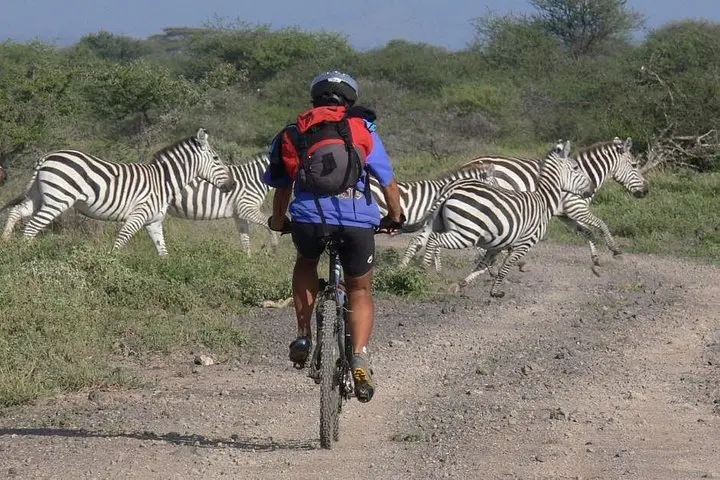
Yes — the region supports wildebeest, zebra, gazelles, giraffes and frequently elephants moving along the corridor; sightings are most common near water and at dawn/dusk.
Most travelers fly into Kilimanjaro Airport or Arusha and transfer to Moshi; pick-up is commonly included from Moshi or the airport depending on booking.
Kili Bike Adventures operates guided outdoor trips and adventures with an emphasis on safety, stewardship, and memorable experiences.
You push off from a dusty village track as Kilimanjaro’s bulk sits like a slow-moving weather system to the east — its snow-capped cone watching over acacia-dotted plains. The road alternates between packed red earth and grass-cut ruts; giraffes lift their heads at the ridge while a baboon troop moves through thorn scrub. By late afternoon the sun lowers the mountain into a silhouette and a small convoy of riders pulls into a communal campsite where a fire is already burning.
You push off from a dusty village track as Kilimanjaro’s bulk sits like a slow-moving weather system to the east — its snow-capped cone watching over acacia-dotted plains. The road alternates between packed red earth and grass-cut ruts; giraffes lift their heads at the ridge while a baboon troop moves through thorn scrub. By late afternoon the sun lowers the mountain into a silhouette and a small convoy of riders pulls into a communal campsite where a fire is already burning.
Geology and history are visible in the landscape: Kilimanjaro is a dormant volcanic massif whose glaciers and ancient lava flows shaped the regional drainage and soils that support wide savannahs. The area lies along a natural elephant corridor linking Amboseli with Mount Kilimanjaro, and Maasai pastoral culture remains a daily presence — beaded villages, herds, and seasonal grazing patterns that shaped local trails now used for cycling.
Expect mixed off-road terrain: dirt tracks, short singletrack, occasional rocky sections and gentle climbs. Typical itineraries cover roughly 25–40 km per day (60–80 km total over two days) with cumulative elevation gains of 300–800 m per day depending on routing. Wildlife viewing is frequent at dawn and dusk; rangers may accompany sections where elephants and large mammals move through.
Practical guidance: arrive in Moshi or Arusha the day before, ride a well-serviced hardtail or full-suspension mountain bike, carry layered clothing for cool mornings, and plan to hydrate frequently — support vehicles handle luggage and technical issues, but basic bike handling and moderate fitness are required for comfort and safety.