THE ADVENTURE COLLECTIVE® · Independent discovery and booking for outdoor travel

A compact west-Qatar loop that pairs Richard Serra’s monumental steel plates with the raw geology of Zekreet Beach and the visceral spectacle of camel racing. Ideal as a half-day outing from Doha for outdoor and cultural travelers.
A compact west-Qatar loop that pairs Richard Serra’s monumental steel plates with the raw geology of Zekreet Beach and the visceral spectacle of camel racing. Ideal as a half-day outing from Doha for outdoor and cultural travelers.
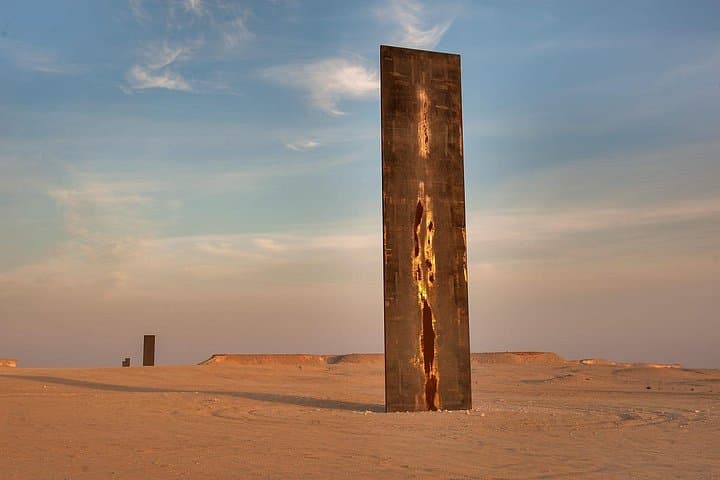
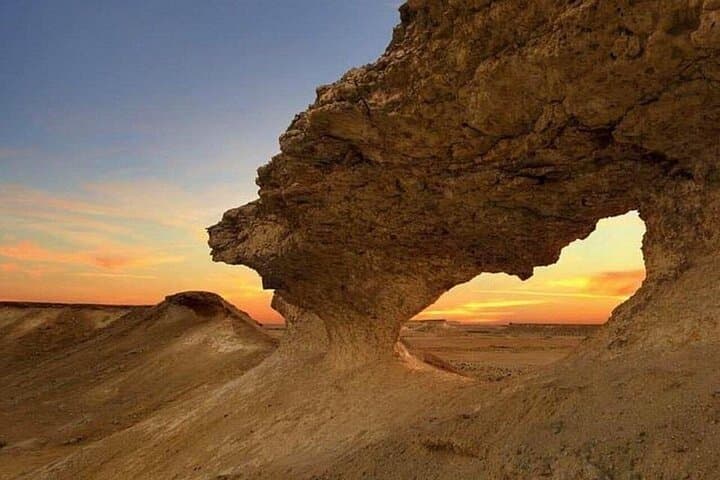
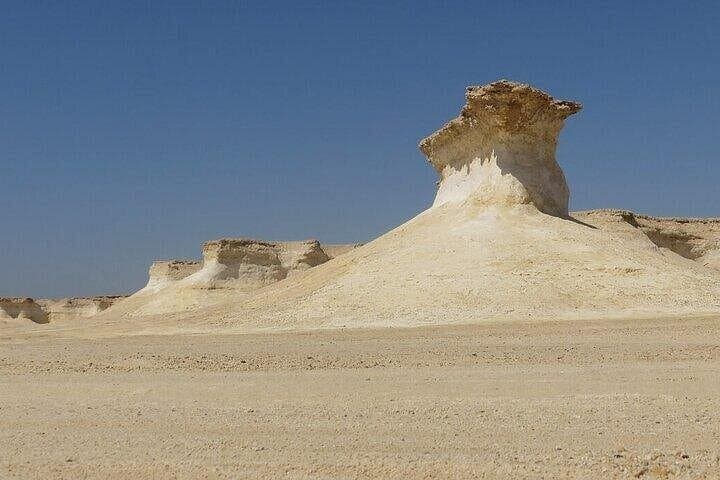
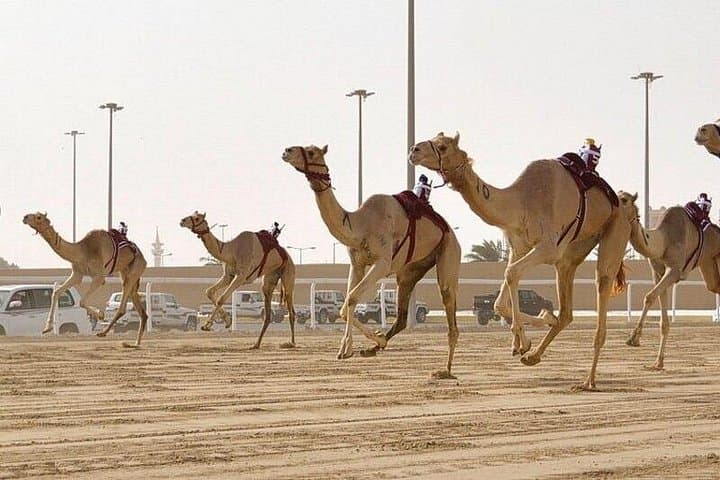
The morning light flattens the desert and the air smells faintly of salt as the vehicle peels away from Doha toward the west. Sand dunes give way to flat limestone flats and then to the vertical plates of Richard Serra, their rusted steel edges slicing a long, quiet line across the horizon. Later, the racetrack erupts in controlled chaos—camels thundering past, robot jockeys perched on tiny saddles—and finally Zekreet’s mushroom-shaped rocks appear, wind-sculpted and stubborn against the Gulf.
Verified experiences and guided adventures in the surrounding area.
Operated by Luxurious Tourism · Doha, Ad Dawhah
The morning light flattens the desert and the air smells faintly of salt as the vehicle peels away from Doha toward the west. Sand dunes give way to flat limestone flats and then to the vertical plates of Richard Serra, their rusted steel edges slicing a long, quiet line across the horizon. Later, the racetrack erupts in controlled chaos—camels thundering past, robot jockeys perched on tiny saddles—and finally Zekreet’s mushroom-shaped rocks appear, wind-sculpted and stubborn against the Gulf.
This loop crosses layers of Qatar’s story: the modern spectacle of camel racing, a tradition rewired by technology; Serra’s East-West / West-East, a 1+ kilometer intervention that reframes the scale of the desert; and Ras Abrouq’s sedimentary limestone formations carved by millions of years of marine deposition and wind. Cultural notes: Al Shahaniya has been a camel-racing hub for decades, while the Zekreet peninsula preserves paleoshoreline geology and small-scale oil-era remnants.
Plan on a 3–4 hour tour that mixes short walks with time at viewpoints and soft sand. Start early or late afternoon to avoid the heat, bring sun protection and at least 1–2 liters of water per person, and wear sturdy shoes for uneven limestone and salty beach sand. Respect the Serra installation—no climbing on the plates—and follow your guide’s directions around wildlife and fragile rock features. Expect easy terrain, strong sunlight, and a chance to see desert birds and native mammals in peripheral scrub. This is a compact, accessible taste of Qatar’s art, nature, and living traditions.
The tour runs about 3–4 hours and mixes short guided walks (10–30 minutes) with vehicle transfers and time at viewpoints.
Camel racing events run regularly but schedules vary; this tour typically visits the racetrack for viewing rather than a major race day—check with your operator for event dates.
Yes; the tour is family-friendly. Infants must sit on laps, and infant seats may be available—confirm at booking.
Restroom access is limited; main facilities are at the racetrack and in the transport hub—plan accordingly and use facilities before heading into desert viewpoints.
Luxurious Tourism operates guided outdoor trips and adventures with an emphasis on safety, stewardship, and memorable experiences.
The morning light flattens the desert and the air smells faintly of salt as the vehicle peels away from Doha toward the west. Sand dunes give way to flat limestone flats and then to the vertical plates of Richard Serra, their rusted steel edges slicing a long, quiet line across the horizon. Later, the racetrack erupts in controlled chaos—camels thundering past, robot jockeys perched on tiny saddles—and finally Zekreet’s mushroom-shaped rocks appear, wind-sculpted and stubborn against the Gulf.
The morning light flattens the desert and the air smells faintly of salt as the vehicle peels away from Doha toward the west. Sand dunes give way to flat limestone flats and then to the vertical plates of Richard Serra, their rusted steel edges slicing a long, quiet line across the horizon. Later, the racetrack erupts in controlled chaos—camels thundering past, robot jockeys perched on tiny saddles—and finally Zekreet’s mushroom-shaped rocks appear, wind-sculpted and stubborn against the Gulf.
This loop crosses layers of Qatar’s story: the modern spectacle of camel racing, a tradition rewired by technology; Serra’s East-West / West-East, a 1+ kilometer intervention that reframes the scale of the desert; and Ras Abrouq’s sedimentary limestone formations carved by millions of years of marine deposition and wind. Cultural notes: Al Shahaniya has been a camel-racing hub for decades, while the Zekreet peninsula preserves paleoshoreline geology and small-scale oil-era remnants.
Plan on a 3–4 hour tour that mixes short walks with time at viewpoints and soft sand. Start early or late afternoon to avoid the heat, bring sun protection and at least 1–2 liters of water per person, and wear sturdy shoes for uneven limestone and salty beach sand. Respect the Serra installation—no climbing on the plates—and follow your guide’s directions around wildlife and fragile rock features. Expect easy terrain, strong sunlight, and a chance to see desert birds and native mammals in peripheral scrub. This is a compact, accessible taste of Qatar’s art, nature, and living traditions.