THE ADVENTURE COLLECTIVE® · Independent discovery and booking for outdoor travel

Spend a focused half-day exploring West Salalah’s dramatic coast: Al Mughsail’s sands and blowholes, Marneef Cave’s cliff viewpoints, the revered Nabi Ayoub tomb, and the cool spring at Ain Garziz. This accessible tour blends geology, local history and short shoreline walks—ideal for photographers and curious travelers.
Spend a focused half-day exploring West Salalah’s dramatic coast: Al Mughsail’s sands and blowholes, Marneef Cave’s cliff viewpoints, the revered Nabi Ayoub tomb, and the cool spring at Ain Garziz. This accessible tour blends geology, local history and short shoreline walks—ideal for photographers and curious travelers.
Salt wind cuts across a low, rocky coastline as you step from the air‑conditioned vehicle onto white sand and absolute horizon. Al Mughsail’s cliffs loom to one side, the Arabian Sea expanding to the other, and the blowholes at Marneef breathe ocean spray like a living machine. The route moves quickly—short walks, carved coves, a spring-fed oasis—so the day feels like a concentrated study in Dhofar’s coastal character.
Verified experiences and guided adventures in the surrounding area.
Operated by Easy Aspire Tours · Salalah, Dhofar
Salt wind cuts across a low, rocky coastline as you step from the air‑conditioned vehicle onto white sand and absolute horizon. Al Mughsail’s cliffs loom to one side, the Arabian Sea expanding to the other, and the blowholes at Marneef breathe ocean spray like a living machine. The route moves quickly—short walks, carved coves, a spring-fed oasis—so the day feels like a concentrated study in Dhofar’s coastal character.
This stretch of coast records millennia of trade: frankincense caravans once threaded the nearby plains and the Al Qara escarpment has long been home to spiritual sites, including Nabi Ayoub’s mausoleum. Geologically, the cliffs are weathered limestone and marl; blowholes form where sea undercuts softer rock and forces water up narrow vents. Culturally, the area blends Islamic devotion, Bedouin fishing traditions and British-era port history in Salalah.
Practical guidance: plan this as a half-day between late afternoon and sunset for the best light and cooler temperatures. Wear sturdy shoes for uneven stone and cliff edges; wind can be strong so a light windbreaker helps. Bring sun protection and at least 1–2 liters of water—bottled water is usually provided on tours. Respect the mausoleum: modest dress and quiet conduct are expected. Photography is excellent but watch footing near blowholes and cliff edges. Ain Garziz’s clear spring makes a fine quick dip if you’re prepared with swimwear and a towel.
Accessible by 4x4 or minibus, this loop rewards travelers who want coastal panoramas, quick historical context and safe, manageable exploration of West Salalah’s dramatic shore.
The vehicle transfer and many viewpoints are accessible, but some shore paths and the cave viewpoint include uneven stone and short steps—ask the operator about specific access needs.
Ain Garziz has clear spring water suitable for a quick dip; Al Mughsail’s surf can be rough—swim with caution and avoid the blowhole areas.
Basic facilities are available near main viewpoints; bottled water is provided on the tour, but bring snacks if you want more than light refreshments.
Carry a small amount of OMR for souvenirs or small purchases; tipping guides is customary and appreciated but discretionary.
Easy Aspire Tours operates guided outdoor trips and adventures with an emphasis on safety, stewardship, and memorable experiences.
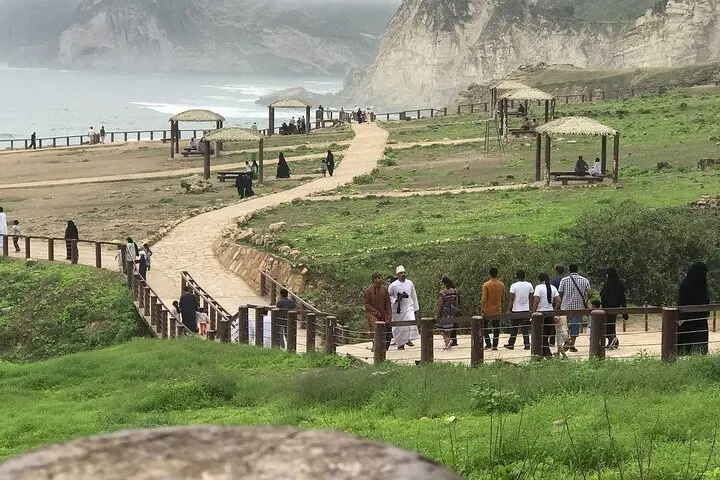
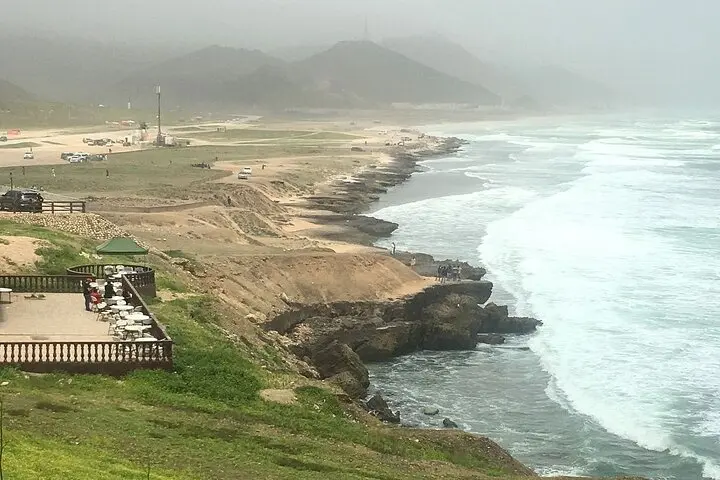
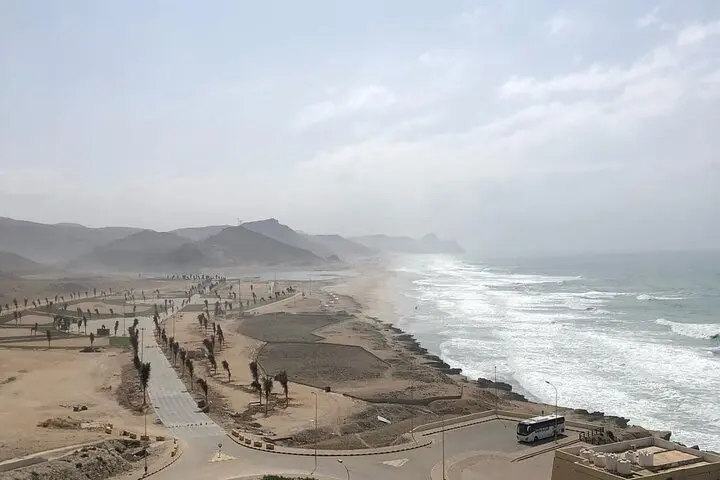
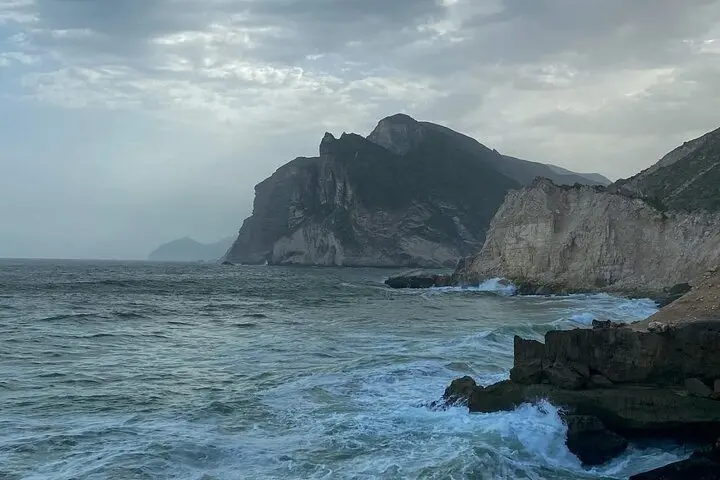
Salt wind cuts across a low, rocky coastline as you step from the air‑conditioned vehicle onto white sand and absolute horizon. Al Mughsail’s cliffs loom to one side, the Arabian Sea expanding to the other, and the blowholes at Marneef breathe ocean spray like a living machine. The route moves quickly—short walks, carved coves, a spring-fed oasis—so the day feels like a concentrated study in Dhofar’s coastal character.
Salt wind cuts across a low, rocky coastline as you step from the air‑conditioned vehicle onto white sand and absolute horizon. Al Mughsail’s cliffs loom to one side, the Arabian Sea expanding to the other, and the blowholes at Marneef breathe ocean spray like a living machine. The route moves quickly—short walks, carved coves, a spring-fed oasis—so the day feels like a concentrated study in Dhofar’s coastal character.
This stretch of coast records millennia of trade: frankincense caravans once threaded the nearby plains and the Al Qara escarpment has long been home to spiritual sites, including Nabi Ayoub’s mausoleum. Geologically, the cliffs are weathered limestone and marl; blowholes form where sea undercuts softer rock and forces water up narrow vents. Culturally, the area blends Islamic devotion, Bedouin fishing traditions and British-era port history in Salalah.
Practical guidance: plan this as a half-day between late afternoon and sunset for the best light and cooler temperatures. Wear sturdy shoes for uneven stone and cliff edges; wind can be strong so a light windbreaker helps. Bring sun protection and at least 1–2 liters of water—bottled water is usually provided on tours. Respect the mausoleum: modest dress and quiet conduct are expected. Photography is excellent but watch footing near blowholes and cliff edges. Ain Garziz’s clear spring makes a fine quick dip if you’re prepared with swimwear and a towel.
Accessible by 4x4 or minibus, this loop rewards travelers who want coastal panoramas, quick historical context and safe, manageable exploration of West Salalah’s dramatic shore.