THE ADVENTURE COLLECTIVE® · Independent discovery and booking for outdoor travel

Trade Istanbul’s roar for cedar-scented lanes and glassy mountain lakes on this five-day loop through the Western Black Sea’s pearl cities. From Abant’s mirrored shores to Safranbolu’s UNESCO houses and Amasra’s seafood, the route pairs natural drama with living history.
Trade Istanbul’s roar for cedar-scented lanes and glassy mountain lakes on this five-day loop through the Western Black Sea’s pearl cities. From Abant’s mirrored shores to Safranbolu’s UNESCO houses and Amasra’s seafood, the route pairs natural drama with living history.
The minivan eases out of Istanbul before dawn, headlights cutting through a pale glaze of Bosphorus mist. As the city fades behind you the road climbs, and windows frame a different Turkey: folded green hills, narrow cedar-clad valleys and the slow reveal of lake rims that catch the light like coins. On this five-day circuit you meet the Black Sea on its own terms—quiet coves, Ottoman timber houses rimmed in saffron, and canyons that look like they were carved by patience rather than force.
Verified experiences and guided adventures in the surrounding area.
Operated by mutlutour · Istanbul, Istanbul
The minivan eases out of Istanbul before dawn, headlights cutting through a pale glaze of Bosphorus mist. As the city fades behind you the road climbs, and windows frame a different Turkey: folded green hills, narrow cedar-clad valleys and the slow reveal of lake rims that catch the light like coins. On this five-day circuit you meet the Black Sea on its own terms—quiet coves, Ottoman timber houses rimmed in saffron, and canyons that look like they were carved by patience rather than force.
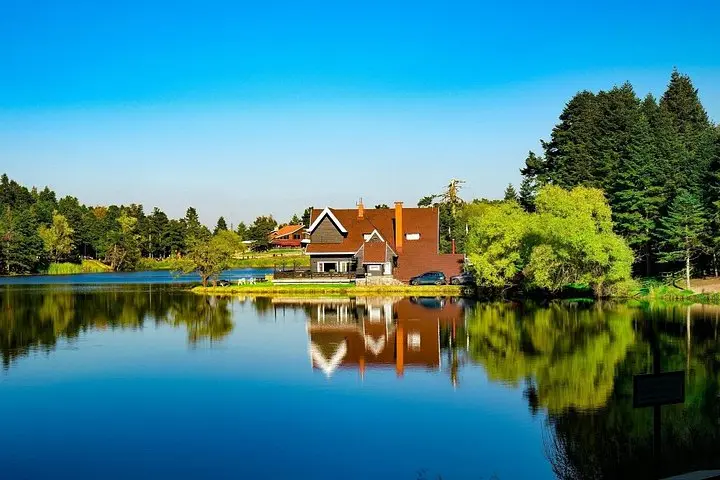
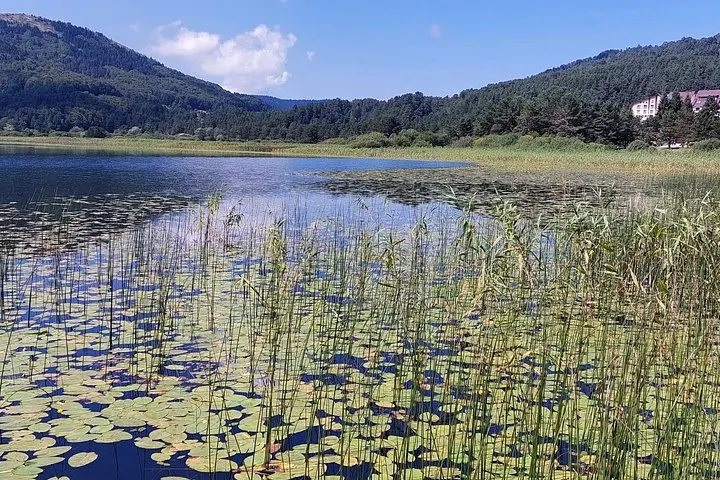
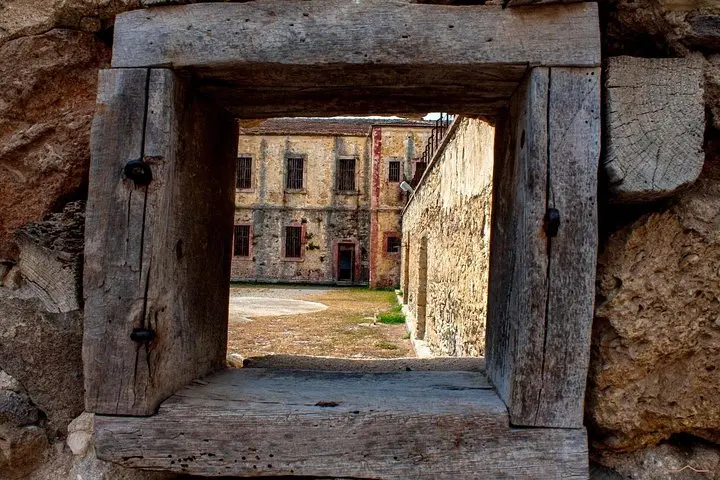
Begin with Abant Lake, where the water tests your reflection and the pines lean as if listening. The geology of the region is mostly folded sedimentary rock and ancient volcanic activity; narrow valleys and kettle lakes like those at Yedigöller formed from glacial and tectonic interplay over millennia. Safranbolu reads as living history—UNESCO-protected Ottoman townhouses, tight cobbled lanes and bazaars where copper and saffron trades still thread daily life. On the coast, Amasra’s fishing boats bob against a stone castle and a small island that has been a lookout since antiquity.
Culture is tangible: breakfasts of fresh kaymak and honey in mountain pensions, fish grilled to order in Amasra, and the slow cadence of small‑town markets where tradespeople still hammer and stitch in public view. Kastamonu offers another side—a provincial capital with wooden mansions, a tower clock, and access to Valla or Horma canyons where limestone walls channel wind and water into narrow, dramatic corridors.
Practical guidance: the tour is five days with hotel nights in Bolu, Amasra/Safranbolu and Kastamonu; travel between points is by air‑conditioned vehicle with pickup possible from Istanbul hotels or airport—share your flight details at booking. Daily walking ranges from easy lakeside loops to moderate hikes in Yedigöller and canyon trails; expect uneven stone pathways and some steep staircases in Safranbolu. Bring layered clothing and a waterproof shell—Black Sea weather can flip from sun to spray fast. Footwear should be grippy: trail shoes or light hiking boots. Carry a refillable water bottle and snacks for longer stretches; local lunches are frequent but timings shift with traffic.
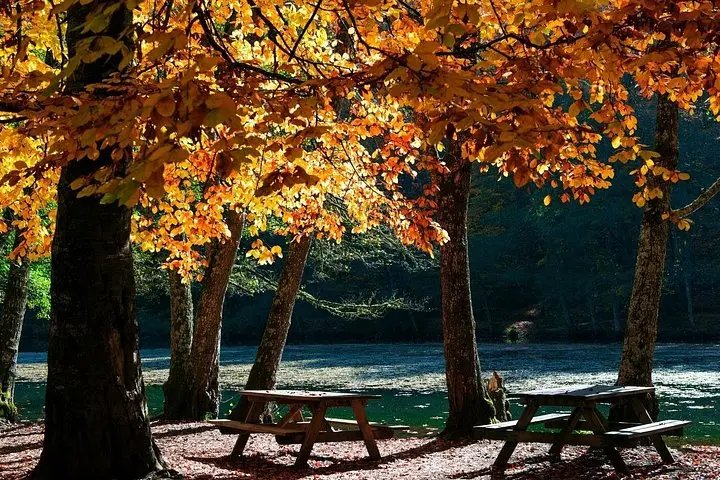
Timing tips: spring and autumn offer mild temperatures and best foliage; summer gives longer light but sometimes humid coastal air; winter can bring snow in the highlands and requires sturdier gear. Respect private properties—many historic homes remain lived in—and leave no trace at lakes and canyons. With straightforward logistics and a rhythm of walking, tasting and short drives, this route stitches together geology, Ottoman craft and seafront culture into a compact, transportable sense of place.
Breakfasts are included most days; notify at booking for dietary needs and organizers will arrange alternatives when possible.
Walks vary from gentle lakeside loops (30–90 minutes) to moderate hikes (1–3 hours) in Yedigöller and canyon trails—total daily walking is manageable for regular walkers.
Yes—pickup from Istanbul Airport or city hotels is available; share flight details at booking and the operator schedules transfers accordingly.
The itinerary lists admission included at key parks; parking fees are covered as part of the tour inclusions noted.
The operator may cancel segments for safety in heavy weather; cancellations made more than 24 hours in advance are refundable per policy.
Infants are permitted (stroller access noted) but must sit on a lap during transfers; some trails aren’t stroller-friendly so a baby carrier is useful.
mutlutour operates guided outdoor trips and adventures with an emphasis on safety, stewardship, and memorable experiences.
The minivan eases out of Istanbul before dawn, headlights cutting through a pale glaze of Bosphorus mist. As the city fades behind you the road climbs, and windows frame a different Turkey: folded green hills, narrow cedar-clad valleys and the slow reveal of lake rims that catch the light like coins. On this five-day circuit you meet the Black Sea on its own terms—quiet coves, Ottoman timber houses rimmed in saffron, and canyons that look like they were carved by patience rather than force.
The minivan eases out of Istanbul before dawn, headlights cutting through a pale glaze of Bosphorus mist. As the city fades behind you the road climbs, and windows frame a different Turkey: folded green hills, narrow cedar-clad valleys and the slow reveal of lake rims that catch the light like coins. On this five-day circuit you meet the Black Sea on its own terms—quiet coves, Ottoman timber houses rimmed in saffron, and canyons that look like they were carved by patience rather than force.
Begin with Abant Lake, where the water tests your reflection and the pines lean as if listening. The geology of the region is mostly folded sedimentary rock and ancient volcanic activity; narrow valleys and kettle lakes like those at Yedigöller formed from glacial and tectonic interplay over millennia. Safranbolu reads as living history—UNESCO-protected Ottoman townhouses, tight cobbled lanes and bazaars where copper and saffron trades still thread daily life. On the coast, Amasra’s fishing boats bob against a stone castle and a small island that has been a lookout since antiquity.
Culture is tangible: breakfasts of fresh kaymak and honey in mountain pensions, fish grilled to order in Amasra, and the slow cadence of small‑town markets where tradespeople still hammer and stitch in public view. Kastamonu offers another side—a provincial capital with wooden mansions, a tower clock, and access to Valla or Horma canyons where limestone walls channel wind and water into narrow, dramatic corridors.
Practical guidance: the tour is five days with hotel nights in Bolu, Amasra/Safranbolu and Kastamonu; travel between points is by air‑conditioned vehicle with pickup possible from Istanbul hotels or airport—share your flight details at booking. Daily walking ranges from easy lakeside loops to moderate hikes in Yedigöller and canyon trails; expect uneven stone pathways and some steep staircases in Safranbolu. Bring layered clothing and a waterproof shell—Black Sea weather can flip from sun to spray fast. Footwear should be grippy: trail shoes or light hiking boots. Carry a refillable water bottle and snacks for longer stretches; local lunches are frequent but timings shift with traffic.
Timing tips: spring and autumn offer mild temperatures and best foliage; summer gives longer light but sometimes humid coastal air; winter can bring snow in the highlands and requires sturdier gear. Respect private properties—many historic homes remain lived in—and leave no trace at lakes and canyons. With straightforward logistics and a rhythm of walking, tasting and short drives, this route stitches together geology, Ottoman craft and seafront culture into a compact, transportable sense of place.