THE ADVENTURE COLLECTIVE® · Independent discovery and booking for outdoor travel

Three days through western Sicily stitches together Greek temples, Arab‑Norman mosaics, salt flats and seaside medieval towns. This private tour pairs cultural landmarks with local flavors and short walks—ideal for travelers who want deep context without heavy trekking.
Three days through western Sicily stitches together Greek temples, Arab‑Norman mosaics, salt flats and seaside medieval towns. This private tour pairs cultural landmarks with local flavors and short walks—ideal for travelers who want deep context without heavy trekking.
You step out of Palermo’s narrow streets into a van that hums toward the sea; salt air slips through the window and the coastline unwinds—Mondello’s pale sand gives way to the low, sculpted hills of Segesta and the limestone promontory crowned by Cefalù.
Verified experiences and guided adventures in the surrounding area.
Operated by Apetour N.C.C. di Peritore Cristian · Palermo, Sicily
You step out of Palermo’s narrow streets into a van that hums toward the sea; salt air slips through the window and the coastline unwinds—Mondello’s pale sand gives way to the low, sculpted hills of Segesta and the limestone promontory crowned by Cefalù.
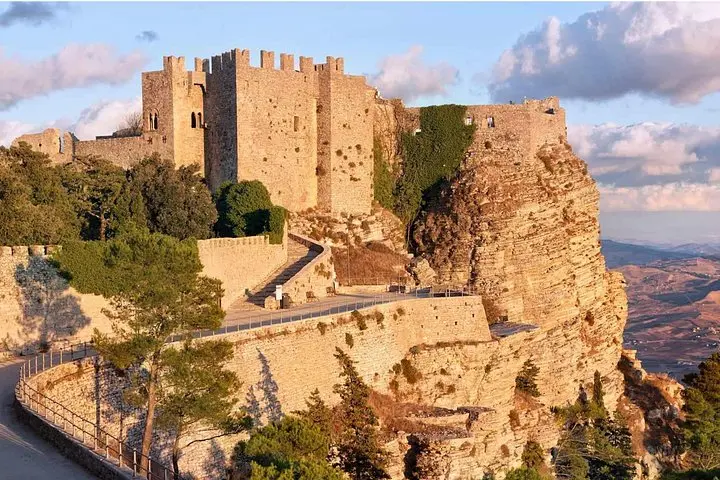
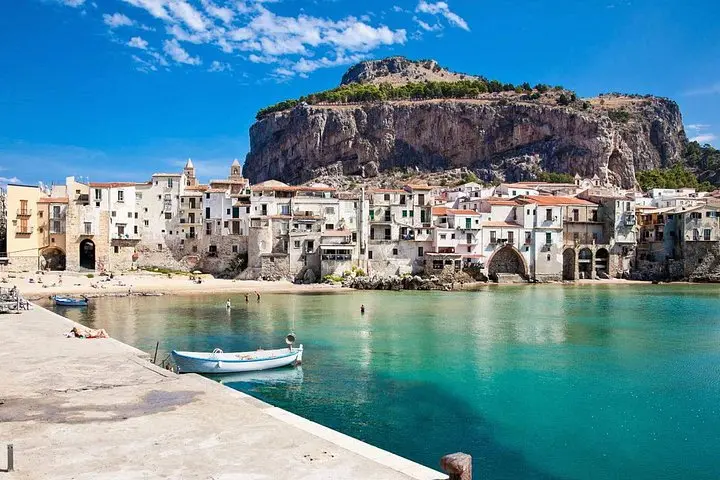
Over three days the route reads like Sicily’s strata: Greek ruins at Segesta, Arab‑Norman mosaics in Monreale and Palermo, a medieval hilltop town at Erice (760 m) with views across Trapani’s salt pans, and the Romanesque basilica and beach of Cefalù. Geology here is simple and honest—limestone headlands, coastal plains dotted with saline evaporation basins, and fertile foothills that made the island a crossroads of Phoenician, Greek, Roman and Norman cultures.
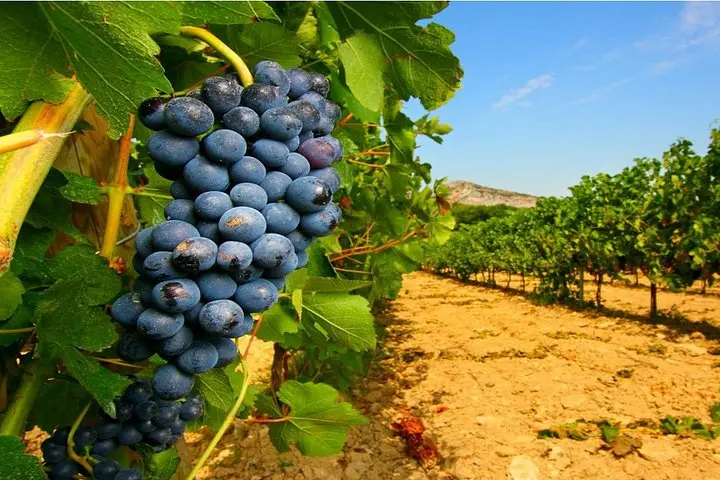
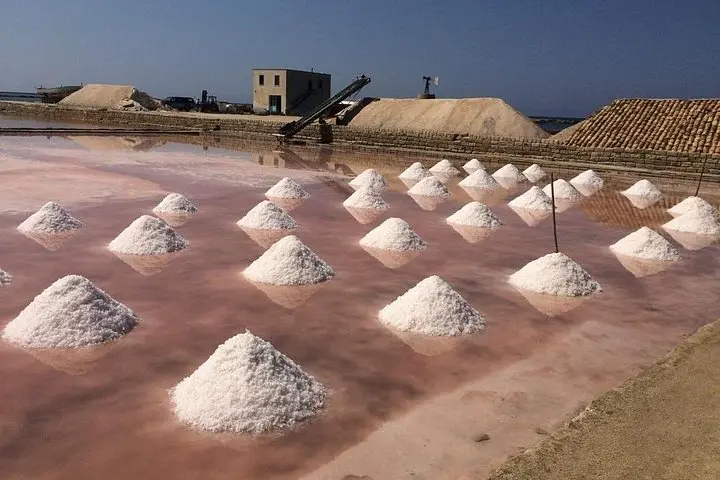
Taste is part of the itinerary: street food in Palermo, almond pastries in Erice, Marsala and local cheeses in Madonie villages. The Saline di Trapani and Paceco, a protected reserve of about 1,000 hectares, offers migratory birdwatching alongside millennia‑old saltworks.
Practical guidance: this is a private, chauffeur‑driven tour with hotel pickup in Palermo and full‑day sightseeing each day—expect several short walks on cobbled streets and brief uphill sections in Erice and Castelbuono. Bring sturdy shoes for uneven surfaces, sun protection for coastal stretches, and a light layer for higher elevation mornings. Carry small euro notes for markets and tastings; historic sites often require separate admissions. Plan comfortable pacing rather than long hikes—the tour is culture‑forward with nature highlights—so hydrate, charge your camera, and set aside moments to linger at terraces that frame the sea and islands beyond.
Yes—hotel pickup and drop‑off in Palermo are included as part of the private tour.
Tastings and bottled water are mentioned; most monument entrance fees and full meals are typically not included unless specified—confirm at booking.
Walks are short and on paved or cobbled surfaces; expect brief uphill sections (Erice, Castelbuono) but no technical hiking.
The tour is private and tends to be flexible—discuss specific interests or mobility needs with the operator during booking.
Apetour N.C.C. di Peritore Cristian operates guided outdoor trips and adventures with an emphasis on safety, stewardship, and memorable experiences.
You step out of Palermo’s narrow streets into a van that hums toward the sea; salt air slips through the window and the coastline unwinds—Mondello’s pale sand gives way to the low, sculpted hills of Segesta and the limestone promontory crowned by Cefalù.
You step out of Palermo’s narrow streets into a van that hums toward the sea; salt air slips through the window and the coastline unwinds—Mondello’s pale sand gives way to the low, sculpted hills of Segesta and the limestone promontory crowned by Cefalù.
Over three days the route reads like Sicily’s strata: Greek ruins at Segesta, Arab‑Norman mosaics in Monreale and Palermo, a medieval hilltop town at Erice (760 m) with views across Trapani’s salt pans, and the Romanesque basilica and beach of Cefalù. Geology here is simple and honest—limestone headlands, coastal plains dotted with saline evaporation basins, and fertile foothills that made the island a crossroads of Phoenician, Greek, Roman and Norman cultures.
Taste is part of the itinerary: street food in Palermo, almond pastries in Erice, Marsala and local cheeses in Madonie villages. The Saline di Trapani and Paceco, a protected reserve of about 1,000 hectares, offers migratory birdwatching alongside millennia‑old saltworks.
Practical guidance: this is a private, chauffeur‑driven tour with hotel pickup in Palermo and full‑day sightseeing each day—expect several short walks on cobbled streets and brief uphill sections in Erice and Castelbuono. Bring sturdy shoes for uneven surfaces, sun protection for coastal stretches, and a light layer for higher elevation mornings. Carry small euro notes for markets and tastings; historic sites often require separate admissions. Plan comfortable pacing rather than long hikes—the tour is culture‑forward with nature highlights—so hydrate, charge your camera, and set aside moments to linger at terraces that frame the sea and islands beyond.