THE ADVENTURE COLLECTIVE® · Independent discovery and booking for outdoor travel

Six days across western Turkey condense empires and geology into a compact road loop: Istanbul’s landmarks, Gallipoli’s battlefields, Troy’s tell, Pergamum’s acropolis, Ephesus’ marble streets and Pamukkale’s thermal terraces. Expect guided walks, small hotels, and skip-the-line access.
Six days across western Turkey condense empires and geology into a compact road loop: Istanbul’s landmarks, Gallipoli’s battlefields, Troy’s tell, Pergamum’s acropolis, Ephesus’ marble streets and Pamukkale’s thermal terraces. Expect guided walks, small hotels, and skip-the-line access.
You step from the minarets' shade into a city that has been a crossroads for two millennia — Istanbul’s stone streets still warm under morning sun as your group meets the guide. Over six days the road unfurls: Dardanelles wind to Gallipoli’s wind-scoured headlands, Troy’s layered mounds tell of bronze-age sieges, Pergamum perches on a rocky acropolis, and limestone terraces at Pamukkale hiss with warm spring water.
Verified experiences and guided adventures in the surrounding area.
Operated by Tour Altinkum Travel · Istanbul, Istanbul
You step from the minarets' shade into a city that has been a crossroads for two millennia — Istanbul’s stone streets still warm under morning sun as your group meets the guide. Over six days the road unfurls: Dardanelles wind to Gallipoli’s wind-scoured headlands, Troy’s layered mounds tell of bronze-age sieges, Pergamum perches on a rocky acropolis, and limestone terraces at Pamukkale hiss with warm spring water.
This loop threads history and geology. Ottoman palaces and Byzantine churches in Istanbul speak imperial politics; Gallipoli holds modern remembrance of ANZAC and Ottoman sacrifice; Troy’s successive walls reveal cultural palimpsest; Pergamum’s library and Asklepion map ancient medicine; Pamukkale’s travertines form where calcium-rich thermal springs cooled and deposited pure white terraces over millennia.
Local culture is tactile — family-run eateries, small hotels in Kusadasi and Canakkale, and markets where dried figs and olive oil are measured in smiles. Expect walking on uneven ancient stones, short drives between sites (some transfers by plane), and concentrated museum time where skip-the-line access speeds you through ticket queues.
Practical edge: plan sun protection and sturdy shoes for cobbles and marble, allow mornings for Ephesus and late afternoons for Pamukkale light, and carry local currency for small purchases. Hotels are small-group friendly and most transfers are accessible; entrance fees are generally excluded but guides handle logistics. This itinerary reads like a compact survey of western Anatolia — rich in ruins, coastal winds, and thermal warmth — suited to travelers who want history, geology, and efficient logistics rolled into a single, walkable route.
Entrance fees are typically excluded; guides will often handle fast-track tickets but bring local cash or card for any onsite fees.
Expect 2–4 hours of guided walking at major sites like Ephesus and Pergamum, with transfers by coach or plane between regions.
Many transfers are accessible and the tour notes wheelchair-accessible options, but uneven ancient terrain may limit access at some ruins—check specific site access in advance.
Guides usually speak English; confirm language availability when booking for other languages or private guides.
Tour Altinkum Travel operates guided outdoor trips and adventures with an emphasis on safety, stewardship, and memorable experiences.

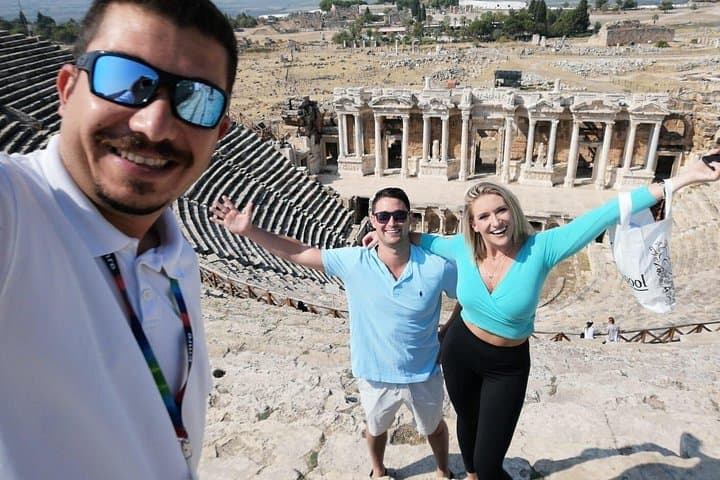
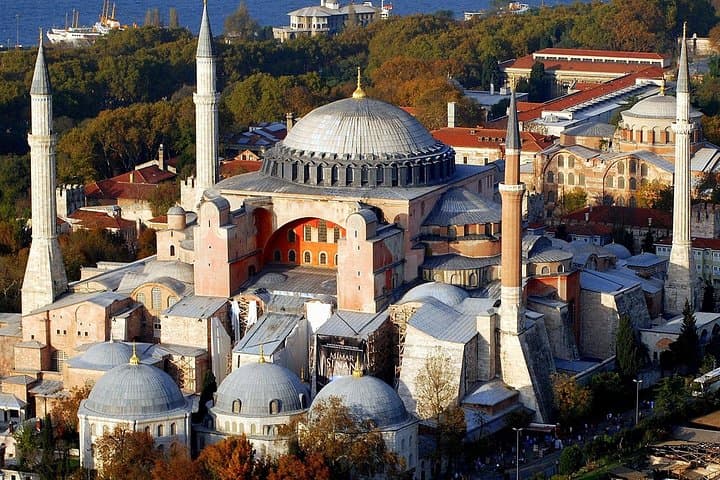
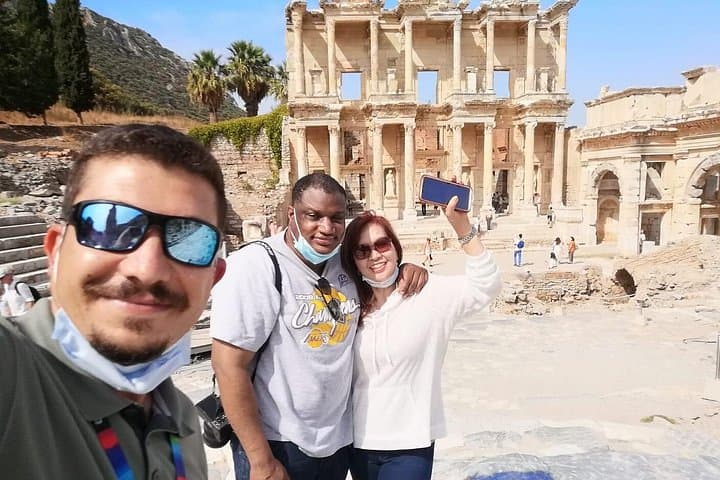
You step from the minarets' shade into a city that has been a crossroads for two millennia — Istanbul’s stone streets still warm under morning sun as your group meets the guide. Over six days the road unfurls: Dardanelles wind to Gallipoli’s wind-scoured headlands, Troy’s layered mounds tell of bronze-age sieges, Pergamum perches on a rocky acropolis, and limestone terraces at Pamukkale hiss with warm spring water.
You step from the minarets' shade into a city that has been a crossroads for two millennia — Istanbul’s stone streets still warm under morning sun as your group meets the guide. Over six days the road unfurls: Dardanelles wind to Gallipoli’s wind-scoured headlands, Troy’s layered mounds tell of bronze-age sieges, Pergamum perches on a rocky acropolis, and limestone terraces at Pamukkale hiss with warm spring water.
This loop threads history and geology. Ottoman palaces and Byzantine churches in Istanbul speak imperial politics; Gallipoli holds modern remembrance of ANZAC and Ottoman sacrifice; Troy’s successive walls reveal cultural palimpsest; Pergamum’s library and Asklepion map ancient medicine; Pamukkale’s travertines form where calcium-rich thermal springs cooled and deposited pure white terraces over millennia.
Local culture is tactile — family-run eateries, small hotels in Kusadasi and Canakkale, and markets where dried figs and olive oil are measured in smiles. Expect walking on uneven ancient stones, short drives between sites (some transfers by plane), and concentrated museum time where skip-the-line access speeds you through ticket queues.
Practical edge: plan sun protection and sturdy shoes for cobbles and marble, allow mornings for Ephesus and late afternoons for Pamukkale light, and carry local currency for small purchases. Hotels are small-group friendly and most transfers are accessible; entrance fees are generally excluded but guides handle logistics. This itinerary reads like a compact survey of western Anatolia — rich in ruins, coastal winds, and thermal warmth — suited to travelers who want history, geology, and efficient logistics rolled into a single, walkable route.