THE ADVENTURE COLLECTIVE® · Independent discovery and booking for outdoor travel

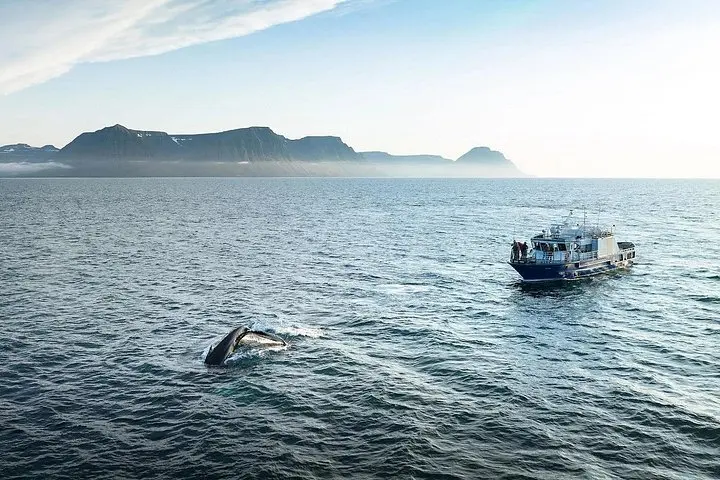
Head out from Ísafjörður for a three-hour whale watching trip through Iceland’s dramatic Westfjords. Expect humpbacks, seabird activity, and raw fjord scenery—bring waterproof layers and binoculars.
Head out from Ísafjörður for a three-hour whale watching trip through Iceland’s dramatic Westfjords. Expect humpbacks, seabird activity, and raw fjord scenery—bring waterproof layers and binoculars.
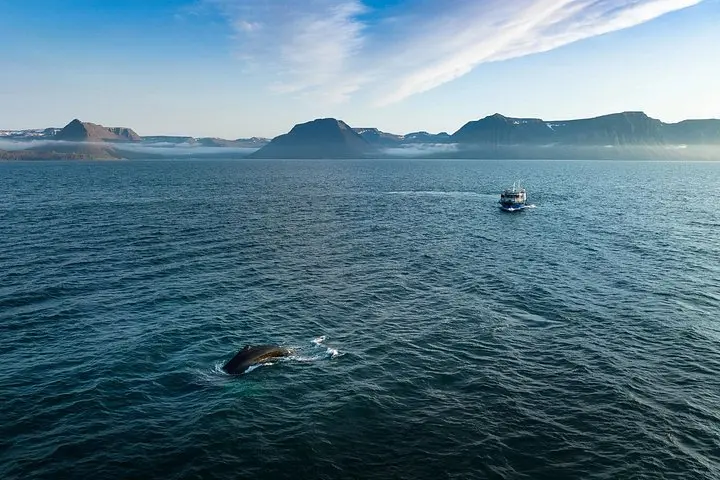
The boat slips free of the harbor and the Westfjords open like a cold, honest map—craggy peaks pressing down on narrow channels while the tide threads silver through them.
Verified experiences and guided adventures in the surrounding area.
Operated by Sjóferðir · Ísafjörður, Westfjords
The boat slips free of the harbor and the Westfjords open like a cold, honest map—craggy peaks pressing down on narrow channels while the tide threads silver through them.
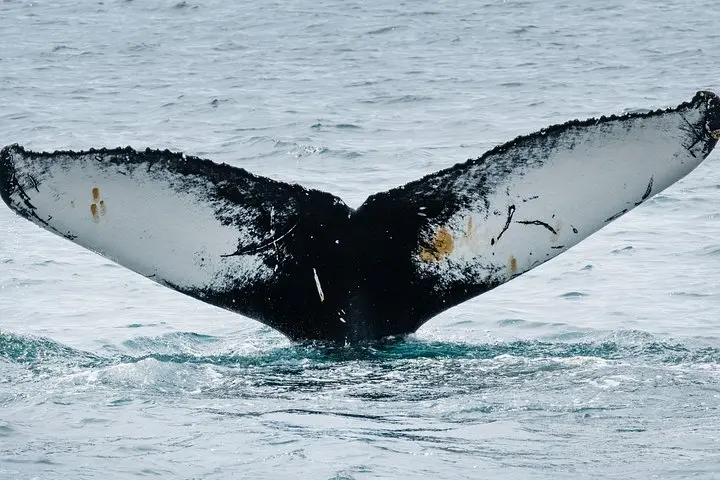
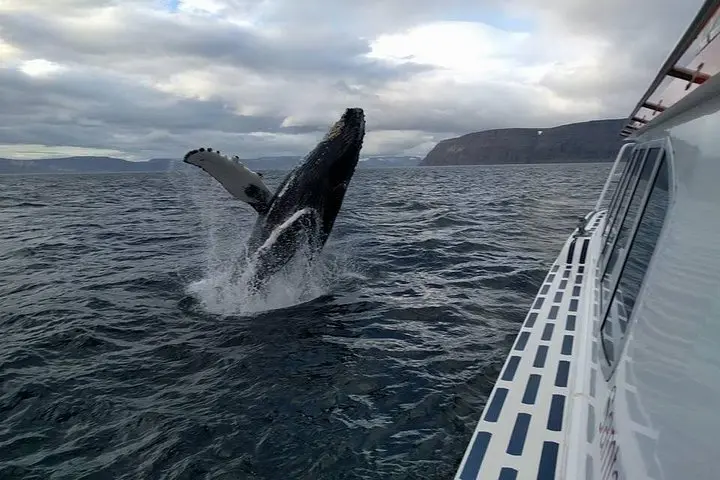
On a three-hour outing from Ísafjörður you trade the certainty of land for the careful choreography of sea and sky. Captains read the water the way trackers read footprints: seabirds wheel where fish push toward the surface, and the captain’s eye narrows at a ripple. In recent seasons humpback whales have been reliably sighted here; minke, occasional orca and playful dolphins also appear, each animal giving the noisy fjord a pulse.
This coast is carved from ancient basalt and glacial action; fjords were gouged during ice ages that shaped local settlement patterns. Ísafjörður grew as a fishing and trading hub, and that maritime culture remains visible in corrugated boathouses and seafaring knowledge passed between generations. Guides here balance tourism with conservation—many operators follow codes of conduct to reduce disturbance and support research programs.
Practicalities: tours last about three hours, boats have onboard toilets and basic shelter, and check-in is required 15–30 minutes before departure. Dress for wind and spray—waterproof outer layers and warm mid-layers make the difference between shivering and watching. Bring binoculars, a charged camera, and motion-sickness remedies if you’re prone to rough seas. Expect changing weather and flexible itineraries; safety and animal welfare dictate route and distance. When the water parts and a blow rises on the horizon, you’ll feel the scale of this place—wild, direct, and undeniably alive.
Yes—boats operating from Ísafjörður on this tour have onboard restrooms for passenger use.
Humpback whales are commonly seen; minkes, occasional orcas and various dolphin species have been recorded, along with dense seabird activity.
Yes—families and infants are permitted; strollers can be accommodated and service animals are allowed, but children should be supervised on deck.
The operator may cancel for bad weather or insufficient travelers; full refunds are available if canceled at least 24 hours before departure, and tours are subject to weather-related changes.
Sjóferðir operates guided outdoor trips and adventures with an emphasis on safety, stewardship, and memorable experiences.
The boat slips free of the harbor and the Westfjords open like a cold, honest map—craggy peaks pressing down on narrow channels while the tide threads silver through them.
The boat slips free of the harbor and the Westfjords open like a cold, honest map—craggy peaks pressing down on narrow channels while the tide threads silver through them.
On a three-hour outing from Ísafjörður you trade the certainty of land for the careful choreography of sea and sky. Captains read the water the way trackers read footprints: seabirds wheel where fish push toward the surface, and the captain’s eye narrows at a ripple. In recent seasons humpback whales have been reliably sighted here; minke, occasional orca and playful dolphins also appear, each animal giving the noisy fjord a pulse.
This coast is carved from ancient basalt and glacial action; fjords were gouged during ice ages that shaped local settlement patterns. Ísafjörður grew as a fishing and trading hub, and that maritime culture remains visible in corrugated boathouses and seafaring knowledge passed between generations. Guides here balance tourism with conservation—many operators follow codes of conduct to reduce disturbance and support research programs.
Practicalities: tours last about three hours, boats have onboard toilets and basic shelter, and check-in is required 15–30 minutes before departure. Dress for wind and spray—waterproof outer layers and warm mid-layers make the difference between shivering and watching. Bring binoculars, a charged camera, and motion-sickness remedies if you’re prone to rough seas. Expect changing weather and flexible itineraries; safety and animal welfare dictate route and distance. When the water parts and a blow rises on the horizon, you’ll feel the scale of this place—wild, direct, and undeniably alive.