THE ADVENTURE COLLECTIVE® · Independent discovery and booking for outdoor travel

Step into Whakarewarewa, Rotorua’s living Māori village, where guides from the Tūhourangi Ngāti Wāhiao lead you through steaming terraces, boiling mud and the famed Pohutu Geyser. This 60‑minute guided experience blends geology, culture and hands‑on geothermal cooks for an accessible, memorable visit.
Step into Whakarewarewa, Rotorua’s living Māori village, where guides from the Tūhourangi Ngāti Wāhiao lead you through steaming terraces, boiling mud and the famed Pohutu Geyser. This 60‑minute guided experience blends geology, culture and hands‑on geothermal cooks for an accessible, memorable visit.
Steam threads the air like a slow-moving river as you walk into Whakarewarewa — a village that still breathes with the heat of the earth. Guides who are direct descendants of the Tūhourangi Ngāti Wāhiao meet you with warm hospitality, leading you along boardwalks to boiling mud pools, fumaroles that hiss like old storytellers, and the Pohutu Geyser rising on a regular, dramatic cadence.
Verified experiences and guided adventures in the surrounding area.
Operated by Whakarewarewa, The Living Maori Village · Rotorua, Bay of Plenty
Steam threads the air like a slow-moving river as you walk into Whakarewarewa — a village that still breathes with the heat of the earth. Guides who are direct descendants of the Tūhourangi Ngāti Wāhiao meet you with warm hospitality, leading you along boardwalks to boiling mud pools, fumaroles that hiss like old storytellers, and the Pohutu Geyser rising on a regular, dramatic cadence.
The site sits in the Taupō Volcanic Zone; its geology is recent and volatile, with hot springs and geysers formed by groundwater heated along fault lines. For more than two centuries this place has been both home and classroom: an active Māori community that has shared its language, tikanga (protocols) and practical geothermal knowledge with visitors since the early era of organized tourism.
Expect a cultural immersion as much as a nature visit. Your guide will explain how steam and hot springs shaped local food, craft and ceremony, and you’ll get a chance to taste corn cooked in a hot pool — a simple demonstration of geothermal cooking and manaakitanga in practice. The village is compact and accessible, with two dedicated viewing platforms for safe geyser sightlines.
Practicalities: tours run about 60 minutes and include entry; groups are limited to keep the experience personal. Paths are mostly boardwalks but can be wet and steamy—closed-toe shoes and a light rain layer are smart. Morning and late afternoon are quieter; winter’s cool air makes the steam more dramatic while summer demands sun protection. Respect signage, follow your guide’s instructions around thermal features, and give local families space to carry on daily life.
Yes—Whakarewarewa’s paths and viewing platforms are wheelchair accessible and transportation options noted by the operator are also accessible; contact the provider for specific assistance.
Pohutu is active and erupts frequently, and the village has dedicated viewing platforms, but exact timings vary so eruptions cannot be guaranteed on a strict schedule.
The guided village tour includes entry and an opportunity to try corn cooked in a hot pool as a demonstration, but full meals or hangi are not automatically included unless specified by your booking.
The village is a short drive from central Rotorua with public transport and local tours available; many visitors walk or take a short taxi from downtown accommodations.
Whakarewarewa, The Living Maori Village operates guided outdoor trips and adventures with an emphasis on safety, stewardship, and memorable experiences.
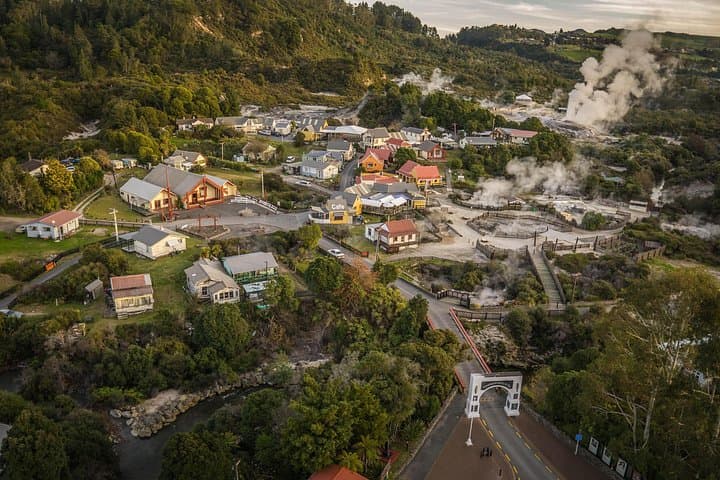
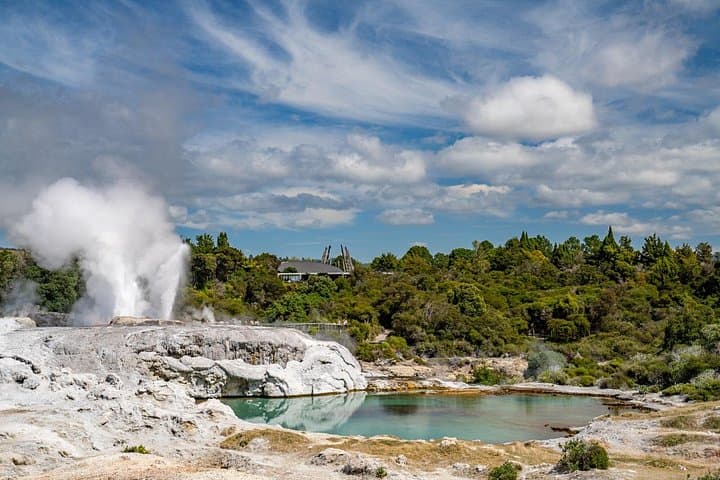
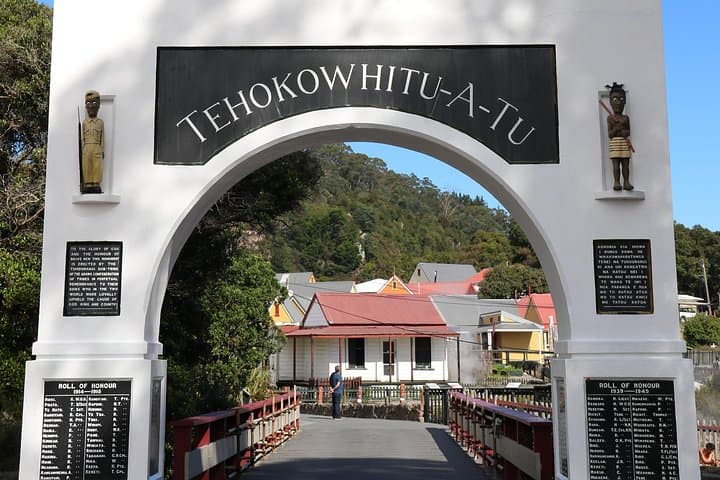
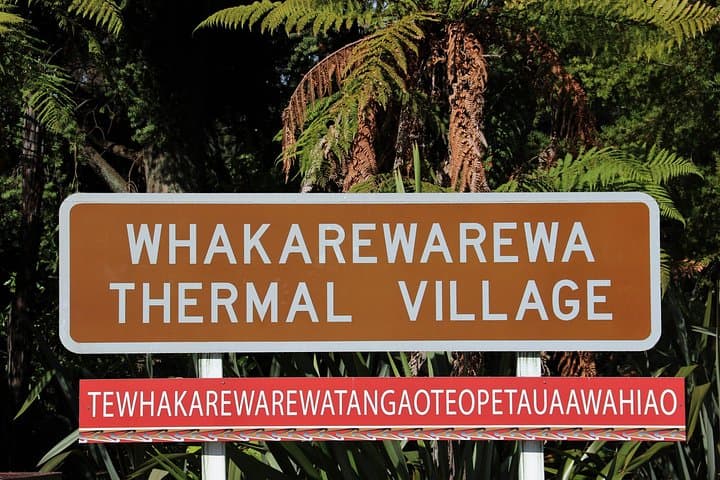
Steam threads the air like a slow-moving river as you walk into Whakarewarewa — a village that still breathes with the heat of the earth. Guides who are direct descendants of the Tūhourangi Ngāti Wāhiao meet you with warm hospitality, leading you along boardwalks to boiling mud pools, fumaroles that hiss like old storytellers, and the Pohutu Geyser rising on a regular, dramatic cadence.
Steam threads the air like a slow-moving river as you walk into Whakarewarewa — a village that still breathes with the heat of the earth. Guides who are direct descendants of the Tūhourangi Ngāti Wāhiao meet you with warm hospitality, leading you along boardwalks to boiling mud pools, fumaroles that hiss like old storytellers, and the Pohutu Geyser rising on a regular, dramatic cadence.
The site sits in the Taupō Volcanic Zone; its geology is recent and volatile, with hot springs and geysers formed by groundwater heated along fault lines. For more than two centuries this place has been both home and classroom: an active Māori community that has shared its language, tikanga (protocols) and practical geothermal knowledge with visitors since the early era of organized tourism.
Expect a cultural immersion as much as a nature visit. Your guide will explain how steam and hot springs shaped local food, craft and ceremony, and you’ll get a chance to taste corn cooked in a hot pool — a simple demonstration of geothermal cooking and manaakitanga in practice. The village is compact and accessible, with two dedicated viewing platforms for safe geyser sightlines.
Practicalities: tours run about 60 minutes and include entry; groups are limited to keep the experience personal. Paths are mostly boardwalks but can be wet and steamy—closed-toe shoes and a light rain layer are smart. Morning and late afternoon are quieter; winter’s cool air makes the steam more dramatic while summer demands sun protection. Respect signage, follow your guide’s instructions around thermal features, and give local families space to carry on daily life.