THE ADVENTURE COLLECTIVE® · Independent discovery and booking for outdoor travel

Head offshore from Manuel Antonio into Marino Ballena National Park for a high-probability whale and dolphin encounter. This half-day boat tour pairs wildlife viewing with optional snorkeling, guided interpretation and short swims in protected coves.
Head offshore from Manuel Antonio into Marino Ballena National Park for a high-probability whale and dolphin encounter. This half-day boat tour pairs wildlife viewing with optional snorkeling, guided interpretation and short swims in protected coves.
Morning light splits across the South Pacific as the boat slips out from the shoreline near Manuel Antonio, engines low and the ocean opening ahead. You feel the swell beneath your feet and the guide scanning the horizon; this is a place where humpback bulls and cows stage long-distance migrations and dolphins slice through the bow wake like quicksilver.
Verified experiences and guided adventures in the surrounding area.
Operated by Agencia de Viajes Costa Rica te Enamora · Uvita, Puntarenas
Morning light splits across the South Pacific as the boat slips out from the shoreline near Manuel Antonio, engines low and the ocean opening ahead. You feel the swell beneath your feet and the guide scanning the horizon; this is a place where humpback bulls and cows stage long-distance migrations and dolphins slice through the bow wake like quicksilver.
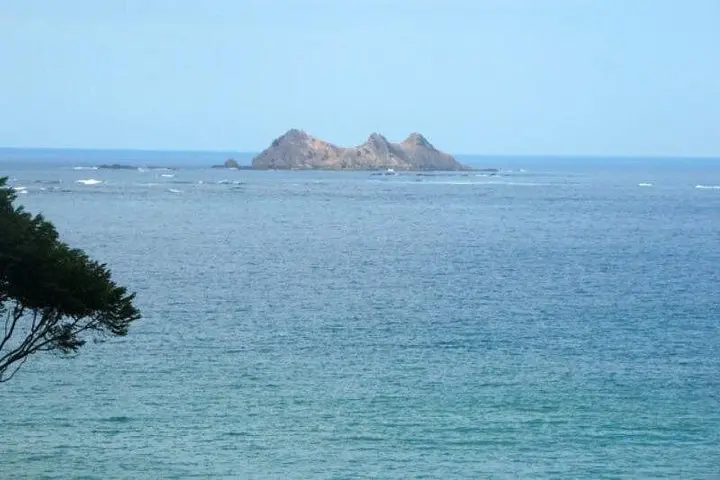
Marino Ballena National Park was established to protect the unique 'whale's tail' beach and the offshore upwellings that concentrate prey for migrating whales. Volcanic geology and coastal currents shape the sand bars, coves and submerged reefs that attract turtles and large mammals. Local fishing villages around Uvita and Manuel Antonio have long depended on these waters, and community-based conservation helped win the area protected status decades ago.
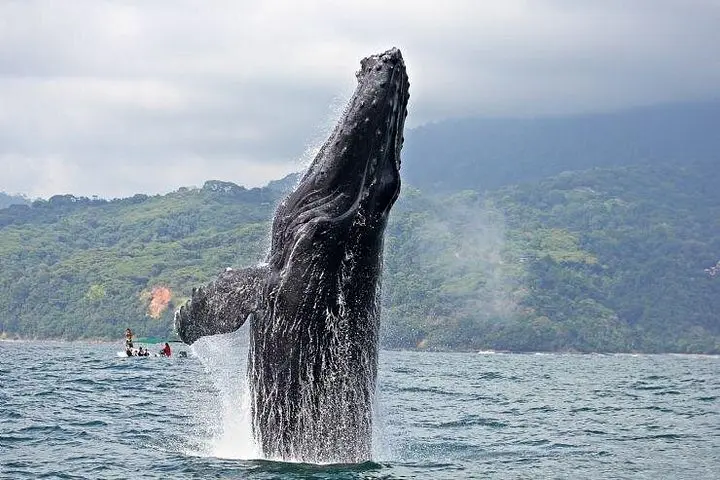
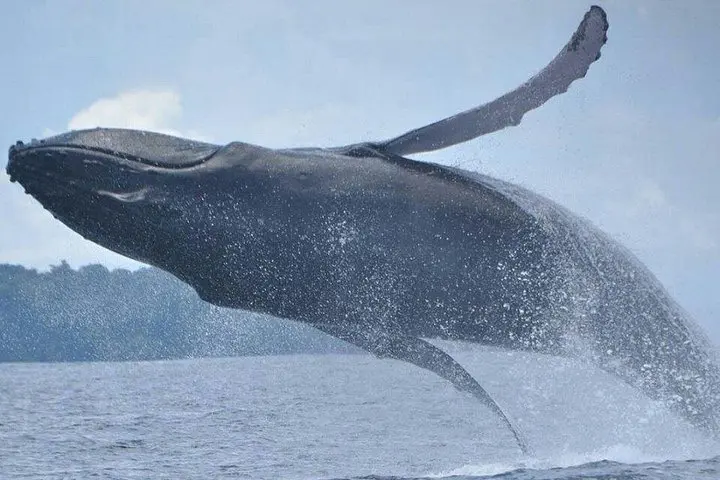
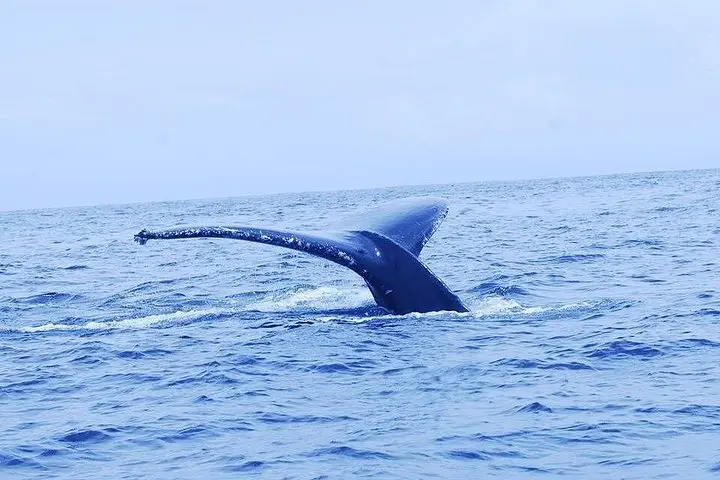
On this three-to-four-hour excursion expect guided whale and dolphin watching, time for snorkeling when visibility allows, and a look into sea caves and offshore reefs. Guides share natural history and point out behaviors—breaching, tail-slaps and dolphin bow-riding—so you understand what you’re seeing as well as where to look.
Practical notes: boat transfers, park entrance and snorkeling gear are included; bring reef-safe sunscreen, a warm layer for early morning spray and a waterproof camera. Timing matters—peak whale months are January–March and July–October—so plan around migration windows. With basic swimming ability and a tolerance for salt spray, this trip gives a compact, high-probability marine wildlife encounter framed by Costa Rica’s rugged Pacific edge.
Peak whale seasons are January–March and July–October when humpback whales migrate through the area; sightings are more likely during these windows.
Snorkeling is offered when visibility and sea conditions allow; guides prioritize safety and will substitute swimming time if waters are rough.
Yes—infants must sit on laps; operators often provide infant seats and the activity is rated easy, though parents should prepare for sun and boat motion.
No—snorkeling equipment is provided, but you may bring a personal mask or fins for fit and comfort.
Agencia de Viajes Costa Rica te Enamora operates guided outdoor trips and adventures with an emphasis on safety, stewardship, and memorable experiences.
Morning light splits across the South Pacific as the boat slips out from the shoreline near Manuel Antonio, engines low and the ocean opening ahead. You feel the swell beneath your feet and the guide scanning the horizon; this is a place where humpback bulls and cows stage long-distance migrations and dolphins slice through the bow wake like quicksilver.
Morning light splits across the South Pacific as the boat slips out from the shoreline near Manuel Antonio, engines low and the ocean opening ahead. You feel the swell beneath your feet and the guide scanning the horizon; this is a place where humpback bulls and cows stage long-distance migrations and dolphins slice through the bow wake like quicksilver.
Marino Ballena National Park was established to protect the unique 'whale's tail' beach and the offshore upwellings that concentrate prey for migrating whales. Volcanic geology and coastal currents shape the sand bars, coves and submerged reefs that attract turtles and large mammals. Local fishing villages around Uvita and Manuel Antonio have long depended on these waters, and community-based conservation helped win the area protected status decades ago.
On this three-to-four-hour excursion expect guided whale and dolphin watching, time for snorkeling when visibility allows, and a look into sea caves and offshore reefs. Guides share natural history and point out behaviors—breaching, tail-slaps and dolphin bow-riding—so you understand what you’re seeing as well as where to look.
Practical notes: boat transfers, park entrance and snorkeling gear are included; bring reef-safe sunscreen, a warm layer for early morning spray and a waterproof camera. Timing matters—peak whale months are January–March and July–October—so plan around migration windows. With basic swimming ability and a tolerance for salt spray, this trip gives a compact, high-probability marine wildlife encounter framed by Costa Rica’s rugged Pacific edge.