THE ADVENTURE COLLECTIVE® · Independent discovery and booking for outdoor travel

Watch Southern Right whales from the safety of the shore on a full-day Whale Route tour from Cape Town to Hermanus. Expect cliff-top viewing, fynbos panoramas and reliable whale season from June to November.
Watch Southern Right whales from the safety of the shore on a full-day Whale Route tour from Cape Town to Hermanus. Expect cliff-top viewing, fynbos panoramas and reliable whale season from June to November.
A cold wind from False Bay cuts across the windshield as the coastline opens: low cliffs, scrubby fynbos and the white line of surf. By mid-morning the guide points to the horizon and a distant spray—Southern Right whales, slow and deliberate, marking the sweep of the Whale Route between Gordon’s Bay and Hermanus.
Verified experiences and guided adventures in the surrounding area.
Operated by Citi Shuttles · Hermanus, Western Cape
A cold wind from False Bay cuts across the windshield as the coastline opens: low cliffs, scrubby fynbos and the white line of surf. By mid-morning the guide points to the horizon and a distant spray—Southern Right whales, slow and deliberate, marking the sweep of the Whale Route between Gordon’s Bay and Hermanus.
This full-day, land-based tour follows roads that have threaded the Cape’s shoreline for centuries, passing fishing villages and the protected Kogelberg Biosphere Reserve, where Table Mountain’s geology gives way to rocky coves and endemic fynbos. Hermanus earned its reputation when shore watchers in the 19th century began noting whales close to shore; now protected from hunting, Southern Rights return to calve and nurse in these sheltered bays from June through November.
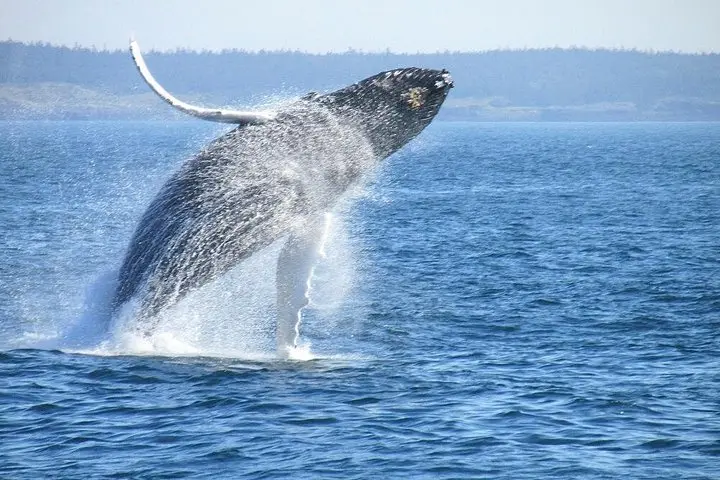
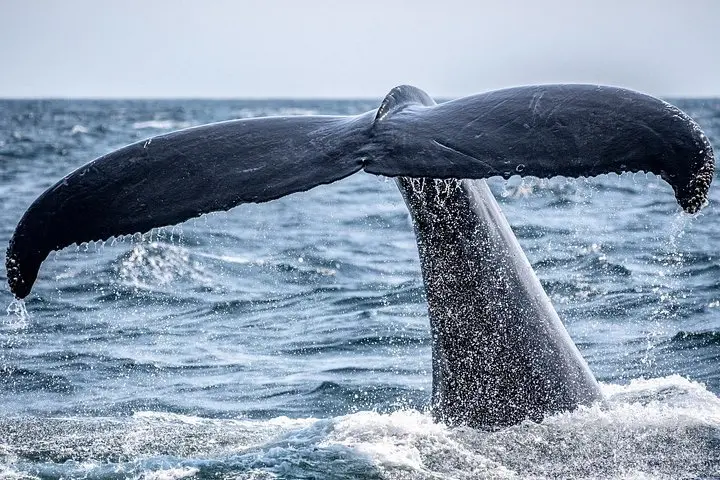
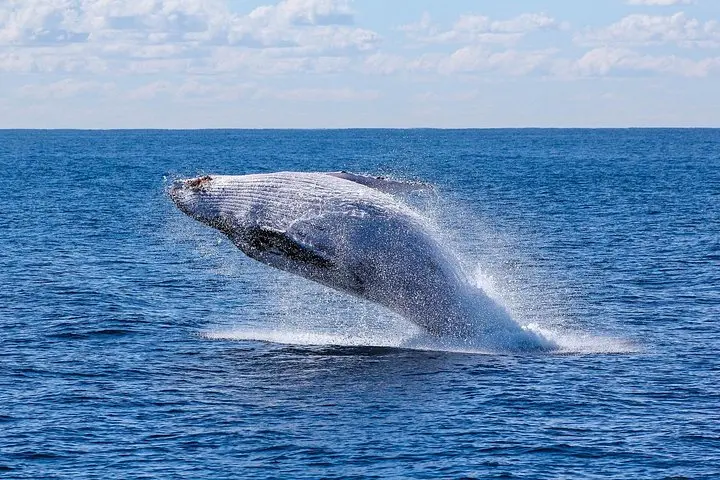
Expect long vantage points on cliffs and boardwalks rather than open water. Whales perform slow surface behaviors—spyhopping, tail-slapping and rolling—while Cape fur seals and occasional dolphins ride the currents below. Local guides combine natural history with practical route choices, timing stops at Betty’s Bay and viewpoints inside Harold Porter Gardens for plant-rich breaks.
Practicalities: it’s a six-hour outing with minimal hiking but lots of standing. Dress in windproof layers, bring binoculars and a telephoto lens, and plan for changing sun and sea breezes. Peak sightings cluster in late winter to early spring; if the weather turns, accessible viewing points and nearby natural gardens still make the day worthwhile. Respect posted barriers and guide instructions—shore-based viewing keeps both whales and people safer.
This is an ideal option for travelers wanting close whale encounters without going to sea, combining coastal scenery, conservation insight and predictable viewing infrastructure.
Southern Right whales are most reliably seen between June and November, with peak encounters often in August–September when mothers and calves are present.
Yes—this is a land-based tour with accessible viewing points and wheelchair-accessible transport and surfaces; notify the operator of needs when booking.
The primary species is the Southern Right whale; you may also see Cape fur seals and occasional common or bottlenose dolphins along the coast.
The operator’s cancellation policy allows refund or rescheduling if you cancel at least 24 hours prior; poor visibility may limit sightings but the itinerary includes botanical and coastal viewpoints that remain enjoyable.
Citi Shuttles operates guided outdoor trips and adventures with an emphasis on safety, stewardship, and memorable experiences.
A cold wind from False Bay cuts across the windshield as the coastline opens: low cliffs, scrubby fynbos and the white line of surf. By mid-morning the guide points to the horizon and a distant spray—Southern Right whales, slow and deliberate, marking the sweep of the Whale Route between Gordon’s Bay and Hermanus.
A cold wind from False Bay cuts across the windshield as the coastline opens: low cliffs, scrubby fynbos and the white line of surf. By mid-morning the guide points to the horizon and a distant spray—Southern Right whales, slow and deliberate, marking the sweep of the Whale Route between Gordon’s Bay and Hermanus.
This full-day, land-based tour follows roads that have threaded the Cape’s shoreline for centuries, passing fishing villages and the protected Kogelberg Biosphere Reserve, where Table Mountain’s geology gives way to rocky coves and endemic fynbos. Hermanus earned its reputation when shore watchers in the 19th century began noting whales close to shore; now protected from hunting, Southern Rights return to calve and nurse in these sheltered bays from June through November.
Expect long vantage points on cliffs and boardwalks rather than open water. Whales perform slow surface behaviors—spyhopping, tail-slapping and rolling—while Cape fur seals and occasional dolphins ride the currents below. Local guides combine natural history with practical route choices, timing stops at Betty’s Bay and viewpoints inside Harold Porter Gardens for plant-rich breaks.
Practicalities: it’s a six-hour outing with minimal hiking but lots of standing. Dress in windproof layers, bring binoculars and a telephoto lens, and plan for changing sun and sea breezes. Peak sightings cluster in late winter to early spring; if the weather turns, accessible viewing points and nearby natural gardens still make the day worthwhile. Respect posted barriers and guide instructions—shore-based viewing keeps both whales and people safer.
This is an ideal option for travelers wanting close whale encounters without going to sea, combining coastal scenery, conservation insight and predictable viewing infrastructure.