THE ADVENTURE COLLECTIVE® · Independent discovery and booking for outdoor travel

Spend a day from Tulum boating to the plankton-rich waters near Isla Mujeres to snorkel with whale sharks, then relax with ceviche on Playa Norte. This full-day trip blends guided wildlife viewing with a beach lunch and local cultural touches.
Spend a day from Tulum boating to the plankton-rich waters near Isla Mujeres to snorkel with whale sharks, then relax with ceviche on Playa Norte. This full-day trip blends guided wildlife viewing with a beach lunch and local cultural touches.
Morning light breaks over Tulum as the van pulls away from town, air conditioning humming against the humid Caribbean air. The road north slides past scrub and low mangrove, and by mid-morning the marina opens into an expanse of blue: the protected waters off Isla Mujeres where the ocean’s largest fish feed. Small groups board a boat; guides pass out masks and short safety briefings. Then you slip into warm water and the whale shark moves into view — enormous, slow, indifferent to human presence yet curiously close enough to study its patterned flank.
Verified experiences and guided adventures in the surrounding area.
Operated by Tulum Tours l Paradise Adventours (tours en tulum) · Tulum, Quintana Roo
Morning light breaks over Tulum as the van pulls away from town, air conditioning humming against the humid Caribbean air. The road north slides past scrub and low mangrove, and by mid-morning the marina opens into an expanse of blue: the protected waters off Isla Mujeres where the ocean’s largest fish feed. Small groups board a boat; guides pass out masks and short safety briefings. Then you slip into warm water and the whale shark moves into view — enormous, slow, indifferent to human presence yet curiously close enough to study its patterned flank.
Geology here is simple and striking: a flat Yucatán limestone shelf drops to deeper channels where plankton concentrates, drawing seasonal aggregations of whale sharks. The region sits within a long human story — Maya coastal trade routes, Spanish colonial ports, and modern fishing communities — and today local crews balance livelihoods with tourism.
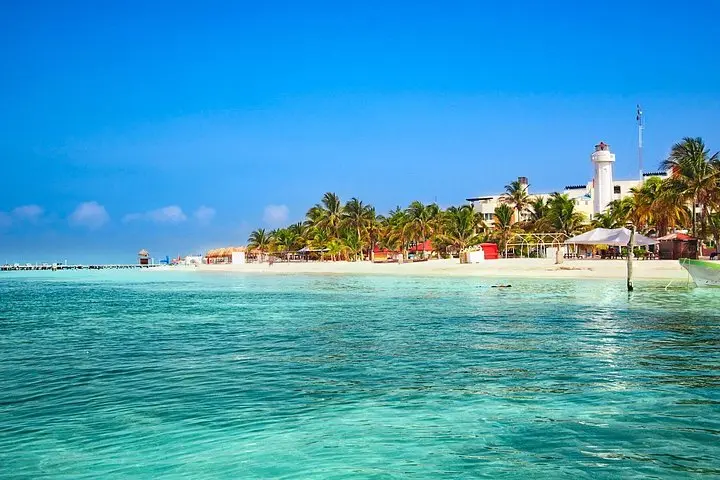
Expect cheeky seabirds, the sting of salt on your lips, and a short, intense window in the water in small rotation groups to limit disturbance. After snorkeling, the boat anchors at Playa Norte on Isla Mujeres for fresh ceviche and a sandy stretch of pale coral sand.
Practical guidance: book early in whale-shark season, bring reef-safe sunscreen, a snug mask, and a waterproof bag. Follow guide instructions about approach distance and time in the water — these rules protect both you and the animals. Bring motion-sickness prevention if you’re prone, and carry a light cash tip for crew. The day mixes high-adrenaline wildlife viewing with an easy beach cooldown — an efficient, memorable way to experience the Caribbean’s wild side.
Peak season in this region typically runs from May to September when whale sharks aggregate to feed; exact timing can vary with plankton blooms.
Guides enforce approach rules—keep a respectful distance, avoid touching, and enter the water only in instructed groups to minimize stress on the animal.
No advanced experience is required, but you should be comfortable swimming and using a snorkel and mask for short periods.
Tours cancel for bad weather; operators usually offer full refunds if canceled at least 24 hours in advance or sooner if conditions are unsafe.
Tulum Tours l Paradise Adventours (tours en tulum) operates guided outdoor trips and adventures with an emphasis on safety, stewardship, and memorable experiences.
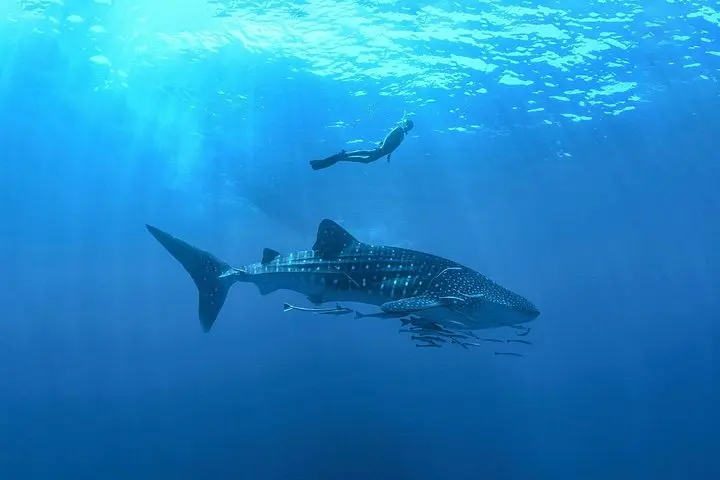
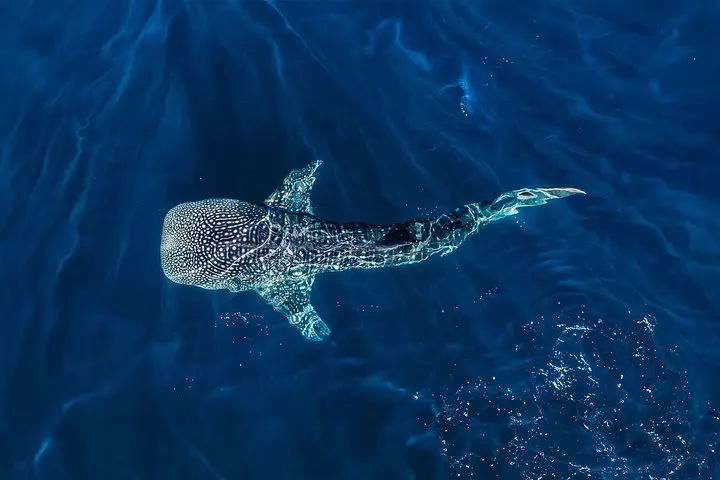
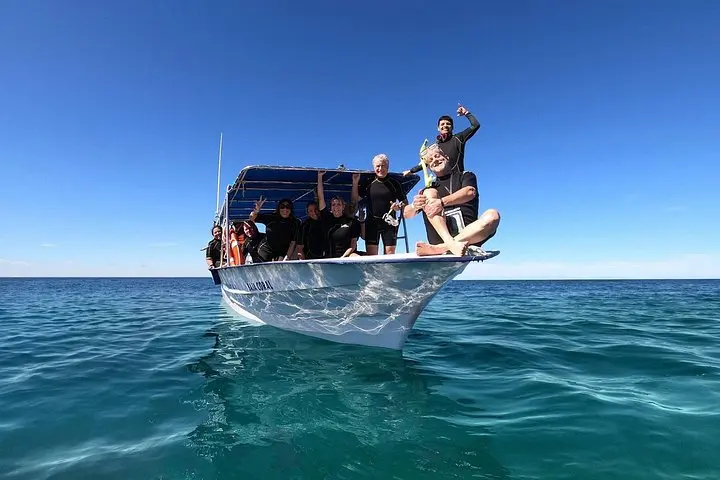
Morning light breaks over Tulum as the van pulls away from town, air conditioning humming against the humid Caribbean air. The road north slides past scrub and low mangrove, and by mid-morning the marina opens into an expanse of blue: the protected waters off Isla Mujeres where the ocean’s largest fish feed. Small groups board a boat; guides pass out masks and short safety briefings. Then you slip into warm water and the whale shark moves into view — enormous, slow, indifferent to human presence yet curiously close enough to study its patterned flank.
Morning light breaks over Tulum as the van pulls away from town, air conditioning humming against the humid Caribbean air. The road north slides past scrub and low mangrove, and by mid-morning the marina opens into an expanse of blue: the protected waters off Isla Mujeres where the ocean’s largest fish feed. Small groups board a boat; guides pass out masks and short safety briefings. Then you slip into warm water and the whale shark moves into view — enormous, slow, indifferent to human presence yet curiously close enough to study its patterned flank.
Geology here is simple and striking: a flat Yucatán limestone shelf drops to deeper channels where plankton concentrates, drawing seasonal aggregations of whale sharks. The region sits within a long human story — Maya coastal trade routes, Spanish colonial ports, and modern fishing communities — and today local crews balance livelihoods with tourism.
Expect cheeky seabirds, the sting of salt on your lips, and a short, intense window in the water in small rotation groups to limit disturbance. After snorkeling, the boat anchors at Playa Norte on Isla Mujeres for fresh ceviche and a sandy stretch of pale coral sand.
Practical guidance: book early in whale-shark season, bring reef-safe sunscreen, a snug mask, and a waterproof bag. Follow guide instructions about approach distance and time in the water — these rules protect both you and the animals. Bring motion-sickness prevention if you’re prone, and carry a light cash tip for crew. The day mixes high-adrenaline wildlife viewing with an easy beach cooldown — an efficient, memorable way to experience the Caribbean’s wild side.