THE ADVENTURE COLLECTIVE® · Independent discovery and booking for outdoor travel

Board a small boat in Puerto Morelos and spend a full day searching for whale sharks along the Mesoamerican Reef, then relax with lunch at Isla Mujeres. This eco-conscious, small-group snorkel tour pairs hands-on guidance with practical logistics.
Board a small boat in Puerto Morelos and spend a full day searching for whale sharks along the Mesoamerican Reef, then relax with lunch at Isla Mujeres. This eco-conscious, small-group snorkel tour pairs hands-on guidance with practical logistics.
The engine hums as the shoreline of Puerto Morelos falls away, a bright strip of palms and low buildings shrinking behind you while the open sea spreads ahead. Early light gilds the bay, and the captain scans the horizon with the practiced patience of someone who reads ocean moods. The search for the whale shark — the ocean’s gentle skyscraper — is not a single moment but a rhythm: sweep, spot, approach, and then the hush of bodies slipping into water that tastes of salt and sun.
Verified experiences and guided adventures in the surrounding area.
Operated by Contoy Excursions · Puerto Morelos, Quintana Roo
The engine hums as the shoreline of Puerto Morelos falls away, a bright strip of palms and low buildings shrinking behind you while the open sea spreads ahead. Early light gilds the bay, and the captain scans the horizon with the practiced patience of someone who reads ocean moods. The search for the whale shark — the ocean’s gentle skyscraper — is not a single moment but a rhythm: sweep, spot, approach, and then the hush of bodies slipping into water that tastes of salt and sun.
Puerto Morelos began life as a fishing town and still wears that practicality: boats leave from a modest pier, guides are local, and the emphasis is on respectful encounters. Geologically you’re on the edge of the Mesoamerican Barrier Reef, a living wall of coral that shapes currents and feeds a seasonal migration of plankton that attracts whale sharks from late spring through summer. Cultural threads run through the day too — crews from nearby Isla Mujeres and Cancún who have worked these waters for decades, and a regional respect for the creatures they host.
The tour is built for access without disruption. Small groups (up to 20) leave the port and motor toward the Contoy-Isla Mujeres corridor; the search and snorkel window is roughly four hours, followed by a boat lunch and time to step ashore at Isla Mujeres’ Playa Norte. Snorkeling equipment, bottled water, snacks and a boxed lunch are included, but federal park fees (approximately USD 30) must be paid in cash at the port — there’s no ATM nearby.
Practicalities shape the experience as much as the sea. You should be a competent swimmer and comfortable with snorkeling in open water; guides will brief you on approach distances and no-touch rules — get close enough to watch the whale shark feed, but not close enough to disturb it. Bring a reef-safe sunscreen and a lightweight long-sleeve rashguard for sun and chafe protection. If you’re prone to seasickness, take medication the night before and the morning of the tour; the boat can chop if the wind picks up.
Timing is everything: early departures increase chances of calm seas and clear sightings. Photographers should protect their gear with a waterproof case and be ready for brief, high-intensity moments when the sharks appear — the best shots are often taken from the boat’s stern while the guides position the group. Above all, the day rewards patience and respect: the whale sharks are the stars, and when one glides by with its slow, purposeful grace, the rest of the world feels pleasantly small.
Peak season on the Yucatán coast runs from May through September, with the highest likelihood of sightings in June–August.
No — the federal port and natural reserve fee (about USD 30) is paid in cash at the port on departure day.
You should be a competent swimmer and comfortable in open water; guides provide equipment and a safety briefing for all ability levels.
Yes — the tour includes snacks, bottled water and a boxed lunch served when you dock at Isla Mujeres’ Playa Norte.
Bring motion-sickness medication and take it before boarding; sit mid-boat for the smoothest ride and focus on the horizon.
Children can join but operators may set age or swimming competency requirements—confirm at booking and note the activity’s moderate physical demands.
Contoy Excursions operates guided outdoor trips and adventures with an emphasis on safety, stewardship, and memorable experiences.
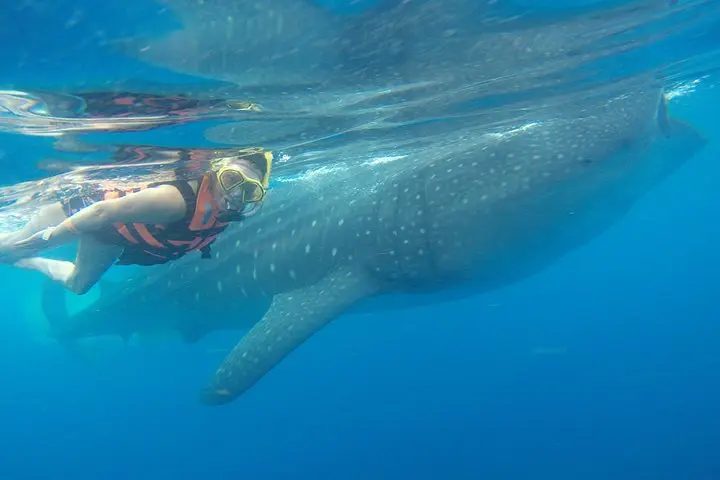
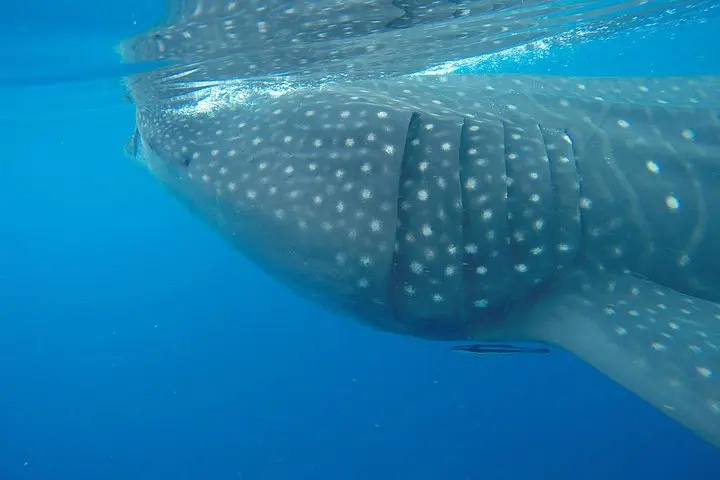
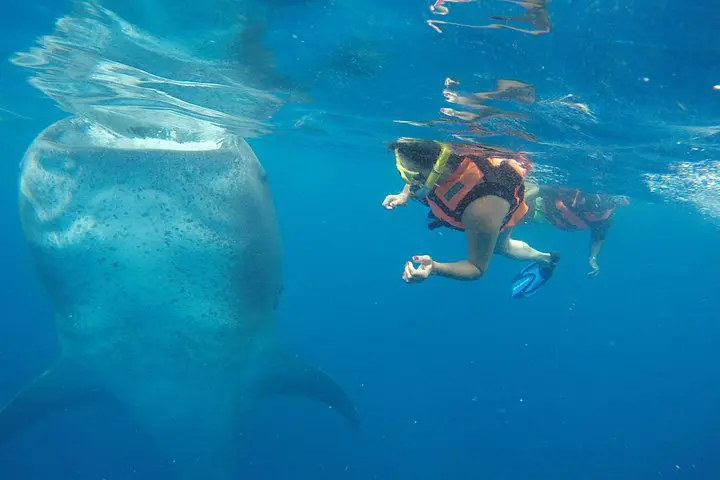
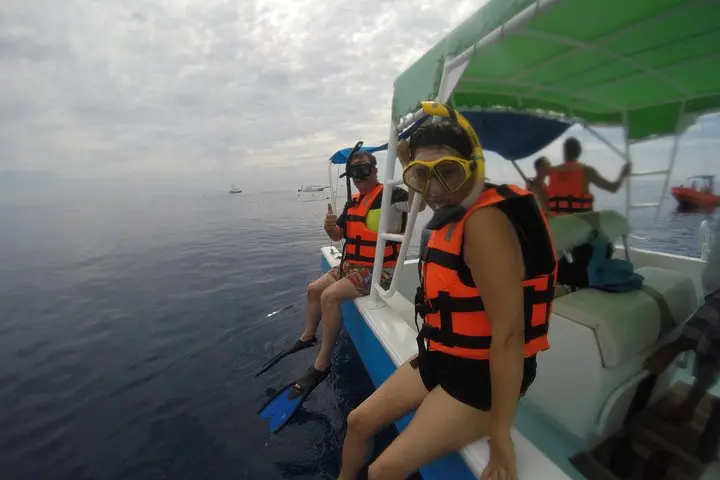
The engine hums as the shoreline of Puerto Morelos falls away, a bright strip of palms and low buildings shrinking behind you while the open sea spreads ahead. Early light gilds the bay, and the captain scans the horizon with the practiced patience of someone who reads ocean moods. The search for the whale shark — the ocean’s gentle skyscraper — is not a single moment but a rhythm: sweep, spot, approach, and then the hush of bodies slipping into water that tastes of salt and sun.
The engine hums as the shoreline of Puerto Morelos falls away, a bright strip of palms and low buildings shrinking behind you while the open sea spreads ahead. Early light gilds the bay, and the captain scans the horizon with the practiced patience of someone who reads ocean moods. The search for the whale shark — the ocean’s gentle skyscraper — is not a single moment but a rhythm: sweep, spot, approach, and then the hush of bodies slipping into water that tastes of salt and sun.
Puerto Morelos began life as a fishing town and still wears that practicality: boats leave from a modest pier, guides are local, and the emphasis is on respectful encounters. Geologically you’re on the edge of the Mesoamerican Barrier Reef, a living wall of coral that shapes currents and feeds a seasonal migration of plankton that attracts whale sharks from late spring through summer. Cultural threads run through the day too — crews from nearby Isla Mujeres and Cancún who have worked these waters for decades, and a regional respect for the creatures they host.
The tour is built for access without disruption. Small groups (up to 20) leave the port and motor toward the Contoy-Isla Mujeres corridor; the search and snorkel window is roughly four hours, followed by a boat lunch and time to step ashore at Isla Mujeres’ Playa Norte. Snorkeling equipment, bottled water, snacks and a boxed lunch are included, but federal park fees (approximately USD 30) must be paid in cash at the port — there’s no ATM nearby.
Practicalities shape the experience as much as the sea. You should be a competent swimmer and comfortable with snorkeling in open water; guides will brief you on approach distances and no-touch rules — get close enough to watch the whale shark feed, but not close enough to disturb it. Bring a reef-safe sunscreen and a lightweight long-sleeve rashguard for sun and chafe protection. If you’re prone to seasickness, take medication the night before and the morning of the tour; the boat can chop if the wind picks up.
Timing is everything: early departures increase chances of calm seas and clear sightings. Photographers should protect their gear with a waterproof case and be ready for brief, high-intensity moments when the sharks appear — the best shots are often taken from the boat’s stern while the guides position the group. Above all, the day rewards patience and respect: the whale sharks are the stars, and when one glides by with its slow, purposeful grace, the rest of the world feels pleasantly small.