THE ADVENTURE COLLECTIVE® · Independent discovery and booking for outdoor travel
Float at the surface beside the world’s largest fish under the guidance of a local marine biologist. This small-group, 3-hour La Paz tour focuses on responsible, surface-only whale shark encounters with federal permits and conservation support.
Float at the surface beside the world’s largest fish under the guidance of a local marine biologist. This small-group, 3-hour La Paz tour focuses on responsible, surface-only whale shark encounters with federal permits and conservation support.
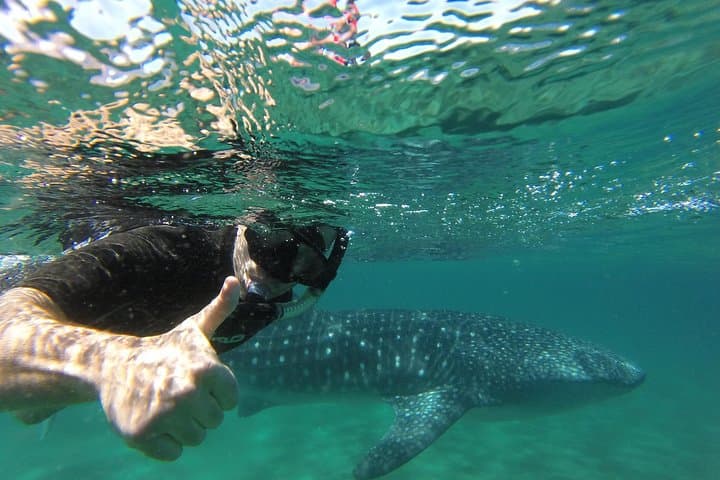
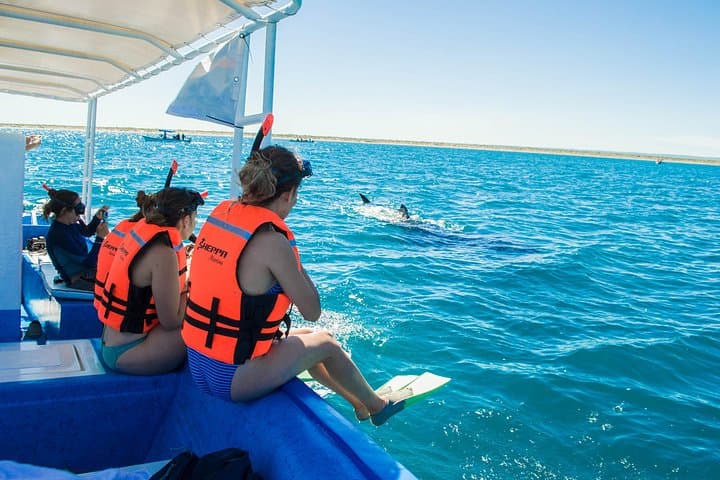
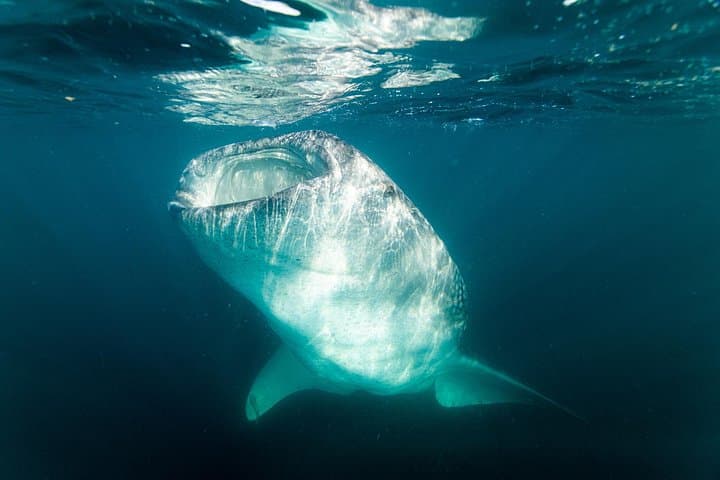
Boarding at first light, the bay is glassy and the boat hums toward open water. The guide — a local marine biologist — points out a dorsal ripple and the pale spotted flank of a whale shark as it cruises slowly beneath the surface. You slip on a shorty wetsuit and step into warm water, the animal’s gentle bulk moving with deliberate grace as you float at the surface and listen to the guide explain what you’re seeing.
Verified experiences and guided adventures in the surrounding area.
Operated by MeXplore · La Paz, Baja California Sur
Boarding at first light, the bay is glassy and the boat hums toward open water. The guide — a local marine biologist — points out a dorsal ripple and the pale spotted flank of a whale shark as it cruises slowly beneath the surface. You slip on a shorty wetsuit and step into warm water, the animal’s gentle bulk moving with deliberate grace as you float at the surface and listen to the guide explain what you’re seeing.
La Paz sits on the Sea of Cortez, a geologic rift of islands and volcanic shores that produces nutrient-rich upwelling and a concentration of marine life. For decades local fishermen and scientists have watched seasonal whale shark aggregations here; today federal regulations, permits and strict boat limits protect the animals while still allowing surface snorkel encounters. The culture around La Paz mixes small‑boat fisheries, ecotourism, and community-led conservation efforts.
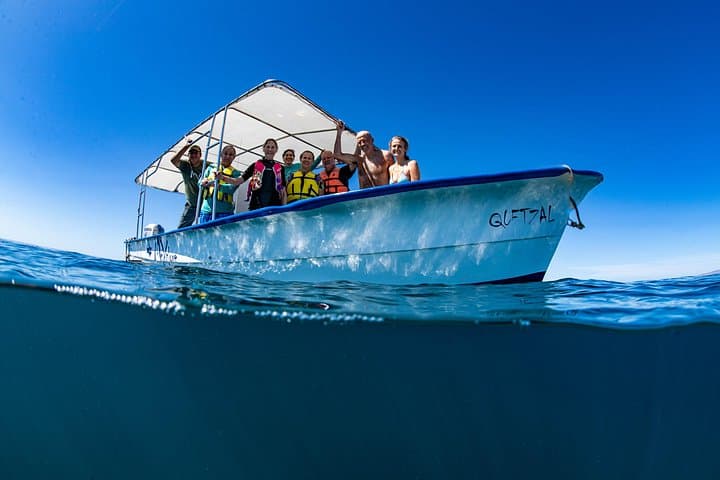
Practically: tours are three hours, limited to nine people per boat, and operate under federal rules that allow surface snorkeling only (no freediving). Operators typically provide masks, snorkels, fins, and 3mm shorty wetsuits, plus GoPro photos. Conditions vary—calm mornings give the best visibility; wind and swell can close the bay. Bring reef‑safe (biodegradable) sunscreen, a snug mask, and a waterproof way to carry your phone. Stay reachable before the trip: turn assignments are managed daily and your start time can shift.
Expect an informative, low-impact encounter rather than close contact; the experience balances spectacle with strict protections so these gentle giants keep returning.
Yes, but operators may set age or swimming minimums—infants are typically required to sit on an adult’s lap; check the provider’s policy before booking.
If the bay is officially closed for safety the operator will notify you 2–3 days in advance when possible and provide a full refund for cancellations within the stated policy.
No—federal regulations prohibit freediving during whale shark encounters; all interaction is surface snorkeling only.
Yes—most operators supply 3mm shorty wetsuits and basic snorkel equipment, though many guests prefer to bring their own mask for the best fit.
MeXplore operates guided outdoor trips and adventures with an emphasis on safety, stewardship, and memorable experiences.
Boarding at first light, the bay is glassy and the boat hums toward open water. The guide — a local marine biologist — points out a dorsal ripple and the pale spotted flank of a whale shark as it cruises slowly beneath the surface. You slip on a shorty wetsuit and step into warm water, the animal’s gentle bulk moving with deliberate grace as you float at the surface and listen to the guide explain what you’re seeing.
Boarding at first light, the bay is glassy and the boat hums toward open water. The guide — a local marine biologist — points out a dorsal ripple and the pale spotted flank of a whale shark as it cruises slowly beneath the surface. You slip on a shorty wetsuit and step into warm water, the animal’s gentle bulk moving with deliberate grace as you float at the surface and listen to the guide explain what you’re seeing.
La Paz sits on the Sea of Cortez, a geologic rift of islands and volcanic shores that produces nutrient-rich upwelling and a concentration of marine life. For decades local fishermen and scientists have watched seasonal whale shark aggregations here; today federal regulations, permits and strict boat limits protect the animals while still allowing surface snorkel encounters. The culture around La Paz mixes small‑boat fisheries, ecotourism, and community-led conservation efforts.
Practically: tours are three hours, limited to nine people per boat, and operate under federal rules that allow surface snorkeling only (no freediving). Operators typically provide masks, snorkels, fins, and 3mm shorty wetsuits, plus GoPro photos. Conditions vary—calm mornings give the best visibility; wind and swell can close the bay. Bring reef‑safe (biodegradable) sunscreen, a snug mask, and a waterproof way to carry your phone. Stay reachable before the trip: turn assignments are managed daily and your start time can shift.
Expect an informative, low-impact encounter rather than close contact; the experience balances spectacle with strict protections so these gentle giants keep returning.
