THE ADVENTURE COLLECTIVE® · Independent discovery and booking for outdoor travel

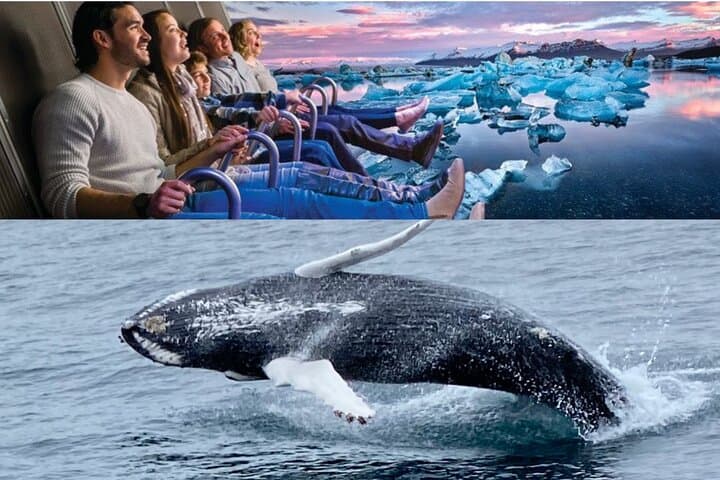
Combine sea-spray whale watching from Reykjavík’s Old Harbour with a cinematic FlyOver Iceland virtual flight. This half-day combo trades the hush of whale blows for an exhilarating aerial sweep of Iceland’s waterfalls and glaciers.
Combine sea-spray whale watching from Reykjavík’s Old Harbour with a cinematic FlyOver Iceland virtual flight. This half-day combo trades the hush of whale blows for an exhilarating aerial sweep of Iceland’s waterfalls and glaciers.
You step out of the ticket office on Geirsgata and the harbor air hits you—brisk, saline, and sharp with promise. Boats bob like patient beasts against the quay while seabirds wheel and quarrel overhead. By mid-morning the boat slips from the Old Harbour and the city falls away; the sea takes charge, its grey surface reflecting cliffs and black lava mouths carved by ancient fire.
Verified experiences and guided adventures in the surrounding area.
Operated by Reykjavik Sailors · Reykjavík, Capital Region
You step out of the ticket office on Geirsgata and the harbor air hits you—brisk, saline, and sharp with promise. Boats bob like patient beasts against the quay while seabirds wheel and quarrel overhead. By mid-morning the boat slips from the Old Harbour and the city falls away; the sea takes charge, its grey surface reflecting cliffs and black lava mouths carved by ancient fire.
Iceland’s coastline is a conversation between fire and water. The volcanic backbone that built the island still shapes the shorelines you pass on the whale trip: basalt cliffs pinch coves where nutrient-rich currents funnel krill and small fish, the magnets for humpbacks, minke whales, and playful white-beaked dolphins. Human history here is similarly practical—fishing and seafaring have defined Reykjavík since settlement; the harbor was the lifeblood that spun the town into a modern capital.
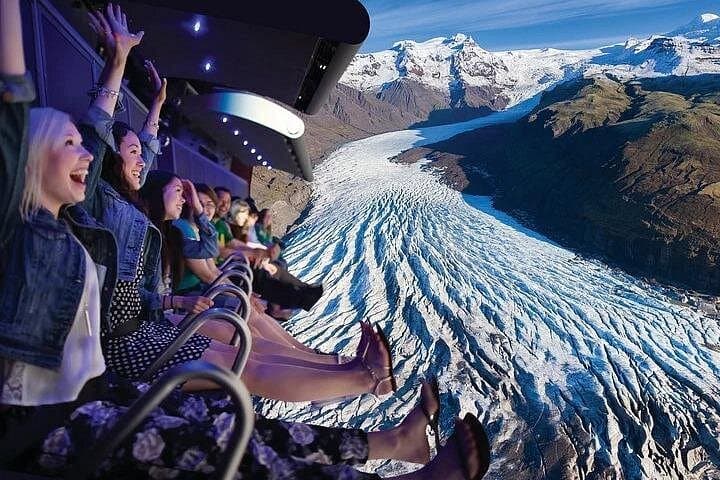
The day’s second act is more theatrical: FlyOver Iceland. You sit before a 360-square-meter spherical screen, wind and scent machines ready, and a film lifts you over waterfalls and glacial tongues with the uncanny intimacy of flight—an aerial complement to the real-world marine drama.
Culturally, the combo tour is Reykjavíks’s short-form travelogue: an elemental encounter on water balanced with a high-tech celebration of landscape. The operators emphasize comfort—heated cabins, flotation suits, onboard WiFi and even seasickness tablets—and sustainability is front of mind with guidelines to keep marine noise low and avoid crowding sensitive whale habitats.
Practicalities are straightforward. Tours run roughly 3–4 hours total: 2–3.5 hours for whale watching and about an hour for FlyOver. Meeting point: Geirsgata 11 (arrive 30 minutes early). FlyOver is at Fiskislóð 43. Departures commonly sit at 09:00 (whale) with FlyOver at 14:00, or 13:00 whale and 18:00 FlyOver—bookings combine both; if the whale trip is cancelled due to weather you’ll get a complimentary replacement trip but note the FlyOver ticket remains valid only on the originally booked date and is non-refundable.
What to bring: warm layers, a waterproof outer shell, sturdy footwear, and a charged camera with a telephoto or zoom lens. Seas can be choppy even on calm days—take the provided seasickness tablets if you’re sensitive. Accessibility is good: flotation overalls and heated indoor spaces make it an all-ages, all-abilities outing.
This is a day that pairs two modes of seeing: the patient, watchful work of whale spotting and the cinematic rush of virtual flight. Both give you pieces of Iceland—its cold generosity, its raw geology, and the sea’s insistence that life here is built on motion.
The full experience is about 3–4 hours: 2–3.5 hours for whale watching plus approximately 1 hour for FlyOver Iceland.
If the whale watching is cancelled due to weather, the operator provides a complimentary replacement trip; FlyOver tickets remain valid only for the original date and are non-refundable.
Yes—flotation overalls are provided and recommended for the whale-watching boat portion.
Yes—tours are family-friendly and wheelchair accessible; contact the operator ahead of time for specific arrangements.
Seasickness tablets are provided free onboard, but if you’re prone to motion sickness take them before boarding and choose a seat with a low center of gravity.
Meet at Geirsgata 11, Special Tours ticket office, and arrive at least 30 minutes before your scheduled whale-watching departure (common departure times 09:00 or 13:00).
Reykjavik Sailors operates guided outdoor trips and adventures with an emphasis on safety, stewardship, and memorable experiences.

You step out of the ticket office on Geirsgata and the harbor air hits you—brisk, saline, and sharp with promise. Boats bob like patient beasts against the quay while seabirds wheel and quarrel overhead. By mid-morning the boat slips from the Old Harbour and the city falls away; the sea takes charge, its grey surface reflecting cliffs and black lava mouths carved by ancient fire.
You step out of the ticket office on Geirsgata and the harbor air hits you—brisk, saline, and sharp with promise. Boats bob like patient beasts against the quay while seabirds wheel and quarrel overhead. By mid-morning the boat slips from the Old Harbour and the city falls away; the sea takes charge, its grey surface reflecting cliffs and black lava mouths carved by ancient fire.
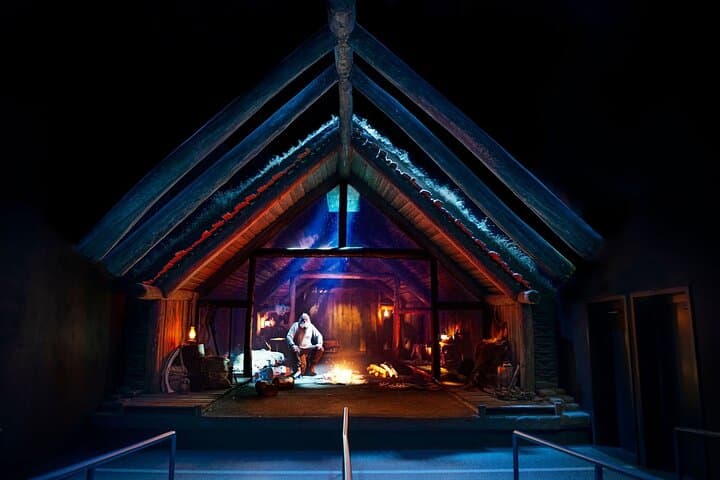
Iceland’s coastline is a conversation between fire and water. The volcanic backbone that built the island still shapes the shorelines you pass on the whale trip: basalt cliffs pinch coves where nutrient-rich currents funnel krill and small fish, the magnets for humpbacks, minke whales, and playful white-beaked dolphins. Human history here is similarly practical—fishing and seafaring have defined Reykjavík since settlement; the harbor was the lifeblood that spun the town into a modern capital.
The day’s second act is more theatrical: FlyOver Iceland. You sit before a 360-square-meter spherical screen, wind and scent machines ready, and a film lifts you over waterfalls and glacial tongues with the uncanny intimacy of flight—an aerial complement to the real-world marine drama.
Culturally, the combo tour is Reykjavíks’s short-form travelogue: an elemental encounter on water balanced with a high-tech celebration of landscape. The operators emphasize comfort—heated cabins, flotation suits, onboard WiFi and even seasickness tablets—and sustainability is front of mind with guidelines to keep marine noise low and avoid crowding sensitive whale habitats.
Practicalities are straightforward. Tours run roughly 3–4 hours total: 2–3.5 hours for whale watching and about an hour for FlyOver. Meeting point: Geirsgata 11 (arrive 30 minutes early). FlyOver is at Fiskislóð 43. Departures commonly sit at 09:00 (whale) with FlyOver at 14:00, or 13:00 whale and 18:00 FlyOver—bookings combine both; if the whale trip is cancelled due to weather you’ll get a complimentary replacement trip but note the FlyOver ticket remains valid only on the originally booked date and is non-refundable.
What to bring: warm layers, a waterproof outer shell, sturdy footwear, and a charged camera with a telephoto or zoom lens. Seas can be choppy even on calm days—take the provided seasickness tablets if you’re sensitive. Accessibility is good: flotation overalls and heated indoor spaces make it an all-ages, all-abilities outing.
This is a day that pairs two modes of seeing: the patient, watchful work of whale spotting and the cinematic rush of virtual flight. Both give you pieces of Iceland—its cold generosity, its raw geology, and the sea’s insistence that life here is built on motion.