THE ADVENTURE COLLECTIVE® · Independent discovery and booking for outdoor travel

Board in Reykjavik’s Old Harbor and head into Faxaflói Bay where guides hunt for minkes, humpbacks and playful dolphins. This practical guide explains what to expect on classic and express cruises, plus how to prepare for Iceland’s sea conditions.
Board in Reykjavik’s Old Harbor and head into Faxaflói Bay where guides hunt for minkes, humpbacks and playful dolphins. This practical guide explains what to expect on classic and express cruises, plus how to prepare for Iceland’s sea conditions.
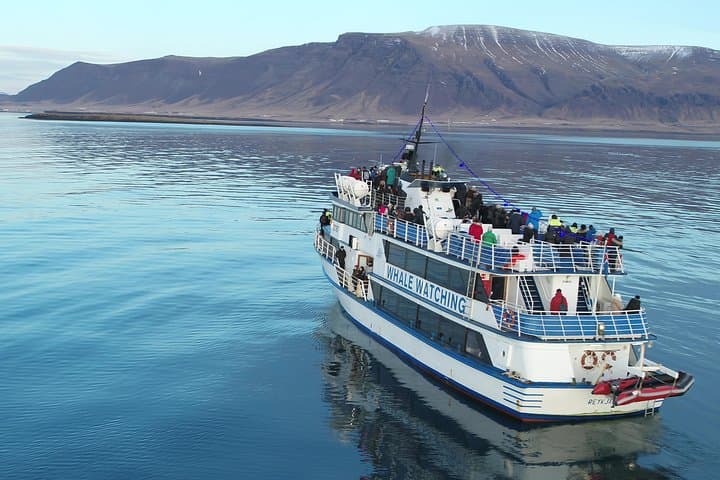
A cold wind pushes off the quay as the boat slips from Reykjavik’s Old Harbor and the city shrinks behind you—colorful roofs, a lone church spire, and the flat coast of Faxaflói Bay. On deck, guides scan the water and point: a mist of spray, an arching back, then the slow, deliberate roll of a minke whale.
Verified experiences and guided adventures in the surrounding area.
Operated by Special Tours Iceland · Reykjavik, Capital Region
A cold wind pushes off the quay as the boat slips from Reykjavik’s Old Harbor and the city shrinks behind you—colorful roofs, a lone church spire, and the flat coast of Faxaflói Bay. On deck, guides scan the water and point: a mist of spray, an arching back, then the slow, deliberate roll of a minke whale.
The bay has fed people for centuries; Viking settlers relied on its rich inshore waters and modern Reykjavik grew from that maritime edge. Geologically, Faxaflói is a shallow coastal basin shaped by glacial retreat and volcanic activity, which concentrates fish and draws cetaceans. Culturally, Icelanders mix practical sea knowledge with folklore—expect guides to combine natural history with old sea stories.
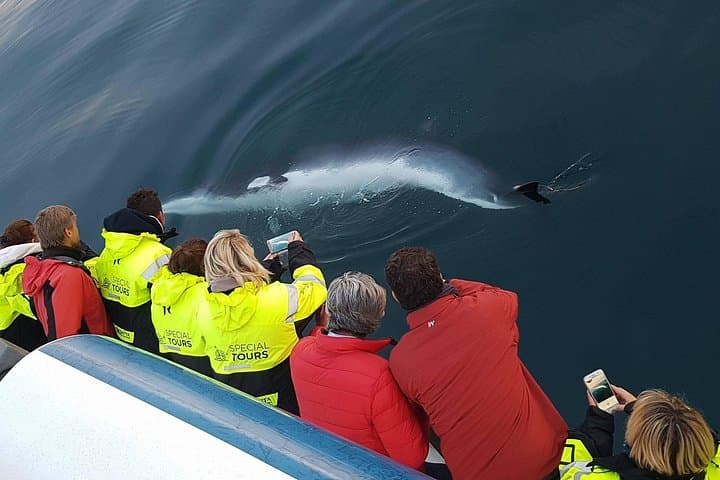
On a typical cruise you’ll wear thermal overalls, move between heated indoor viewing and exposed deck, and listen as a guide identifies minke, humpback, white-beaked dolphins, and porpoises. Boats run express (2–2.5 hours) and classic (3–3.5 hours) schedules; spotting rates are high but never guaranteed.
Practical guidance: dress in warm layers, bring binoculars and a windproof shell, and time trips for calmer mornings or late afternoons when the sea is less choppy. If you’re prone to seasickness, take the supplied tablets before boarding and pick a seat near the vessel’s centerline. Photography benefits from fast shutter speeds and a lens in the 200–400mm range. Most operators offer refunds or rebook options if weather cancels the sailing—confirm pickup details if you need hotel transfer.
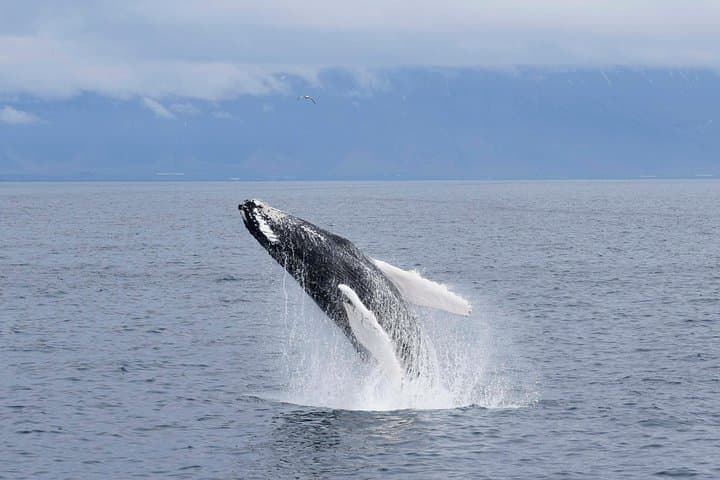
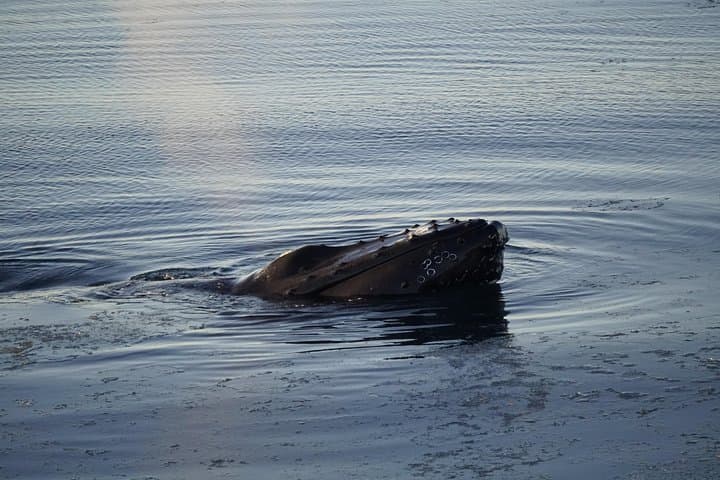
Common sightings include minke whales, humpback whales, white‑beaked dolphins and harbor porpoises; sightings vary by season and conditions.
Yes—many operators provide heated indoor seating, thermal overalls in children’s sizes, and wheelchair-accessible boats for the classic trip.
Take the complimentary sea‑sickness tablets before boarding, sit mid‑ship, focus on the horizon, and use indoor spaces if symptoms persist.
Operators typically offer a full refund or rebooking; check the provider’s policy and confirm any hotel pickup arrangements.
Special Tours Iceland operates guided outdoor trips and adventures with an emphasis on safety, stewardship, and memorable experiences.
A cold wind pushes off the quay as the boat slips from Reykjavik’s Old Harbor and the city shrinks behind you—colorful roofs, a lone church spire, and the flat coast of Faxaflói Bay. On deck, guides scan the water and point: a mist of spray, an arching back, then the slow, deliberate roll of a minke whale.
A cold wind pushes off the quay as the boat slips from Reykjavik’s Old Harbor and the city shrinks behind you—colorful roofs, a lone church spire, and the flat coast of Faxaflói Bay. On deck, guides scan the water and point: a mist of spray, an arching back, then the slow, deliberate roll of a minke whale.
The bay has fed people for centuries; Viking settlers relied on its rich inshore waters and modern Reykjavik grew from that maritime edge. Geologically, Faxaflói is a shallow coastal basin shaped by glacial retreat and volcanic activity, which concentrates fish and draws cetaceans. Culturally, Icelanders mix practical sea knowledge with folklore—expect guides to combine natural history with old sea stories.
On a typical cruise you’ll wear thermal overalls, move between heated indoor viewing and exposed deck, and listen as a guide identifies minke, humpback, white-beaked dolphins, and porpoises. Boats run express (2–2.5 hours) and classic (3–3.5 hours) schedules; spotting rates are high but never guaranteed.
Practical guidance: dress in warm layers, bring binoculars and a windproof shell, and time trips for calmer mornings or late afternoons when the sea is less choppy. If you’re prone to seasickness, take the supplied tablets before boarding and pick a seat near the vessel’s centerline. Photography benefits from fast shutter speeds and a lens in the 200–400mm range. Most operators offer refunds or rebook options if weather cancels the sailing—confirm pickup details if you need hotel transfer.