THE ADVENTURE COLLECTIVE® · Independent discovery and booking for outdoor travel

Set out from Cali for a full‑day speedboat journey to Uramba—Bahía Málaga, where humpback whales arrive to breed and calve each year from mid‑July to mid‑October. Expect an early start, open‑ocean conditions, one hour of guided whale watching, and a cultural touch with local seafood lunch.
Set out from Cali for a full‑day speedboat journey to Uramba—Bahía Málaga, where humpback whales arrive to breed and calve each year from mid‑July to mid‑October. Expect an early start, open‑ocean conditions, one hour of guided whale watching, and a cultural touch with local seafood lunch.
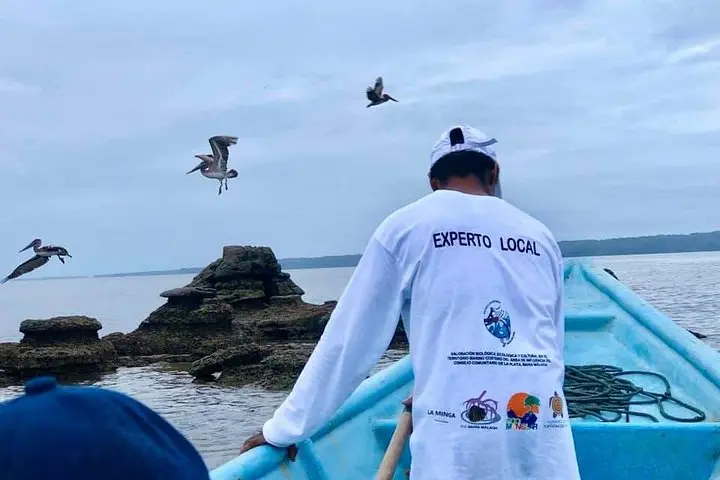
At dawn the road out of Cali narrows into coastal thicket and the air shifts toward salt and mangrove. Travelers meet guides before sunrise, head west through Buenaventura and slip into Málaga Bay, where a speedboat cuts a ribbon across dark, deep water and the shorelines hunch like watchful neighbors.
Verified experiences and guided adventures in the surrounding area.
Operated by Gran Colombia Tours · Málaga, Valle del Cauca
At dawn the road out of Cali narrows into coastal thicket and the air shifts toward salt and mangrove. Travelers meet guides before sunrise, head west through Buenaventura and slip into Málaga Bay, where a speedboat cuts a ribbon across dark, deep water and the shorelines hunch like watchful neighbors.
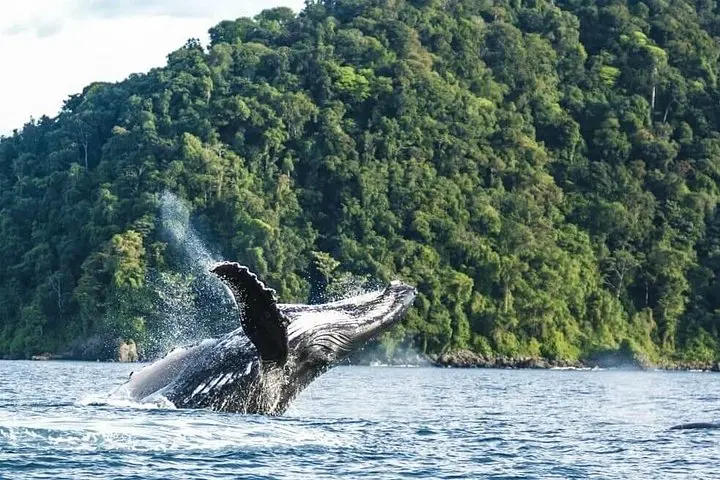
The Uramba—Bahía Málaga—marine corridor is a seasonal refuge for South Pacific humpback whales that migrate from Antarctic feeding grounds to breed and calve in warmer waters. The coastline here is geologically active: a steep continental shelf, mangrove fringes and sudden deep channels that give whales room to surface and play. Local Afro‑Colombian communities have long relied on the bay’s resources; traditional seafood lunches and oral histories often join the day’s field notes.
Practically, the tour is a long day rather than a technical outing: hotel pickup early (around 6 a.m.), a coastal drive, a speedboat crossing, and roughly one hour dedicated to whale watching in the protected waters. Expect open‑ocean motion, sun exposure, and changeable weather—sea conditions determine how close a guide can safely approach. There’s no elevation gain; everything happens at sea level.
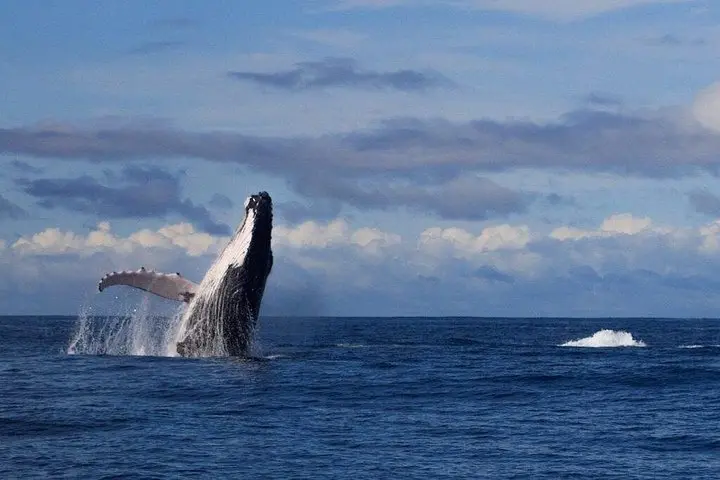
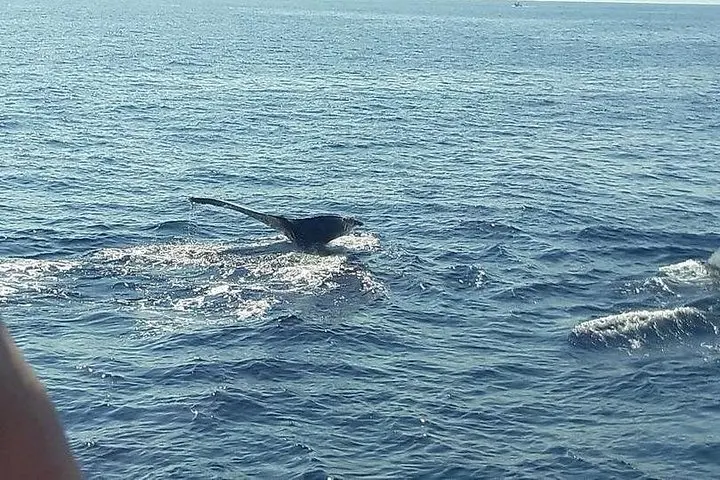
Bring motion‑sickness prevention, layers and waterproofs, sun protection, and waterproof storage for cameras. Follow the guide’s approach rules: keep distance, minimize flash and noise, and let the whales set the pace. This is a seasonal window—Jul 15 to Oct 15—when patient observers are most likely to see mother‑calf pairs, breaches, and curious escorts. The reward is a raw, elemental encounter with a migratory giant and a day that folds local culture and coastal ecology into one memorable passage.
The established season runs roughly July 15–October 15; within that window sightings are most likely, especially for mother‑calf pairs.
The full experience is a 12‑hour tour including travel; about one hour is allocated specifically for whale watching in the protected bay, though boat transfers vary by conditions.
Yes, families can participate but infants must sit on an adult’s lap and all passengers should be prepared for a bumpy ride and long day.
Operators monitor sea conditions; tours may be adjusted or canceled if conditions are unsafe—check cancellation policy and insurance options before booking.
Gran Colombia Tours operates guided outdoor trips and adventures with an emphasis on safety, stewardship, and memorable experiences.
At dawn the road out of Cali narrows into coastal thicket and the air shifts toward salt and mangrove. Travelers meet guides before sunrise, head west through Buenaventura and slip into Málaga Bay, where a speedboat cuts a ribbon across dark, deep water and the shorelines hunch like watchful neighbors.
At dawn the road out of Cali narrows into coastal thicket and the air shifts toward salt and mangrove. Travelers meet guides before sunrise, head west through Buenaventura and slip into Málaga Bay, where a speedboat cuts a ribbon across dark, deep water and the shorelines hunch like watchful neighbors.
The Uramba—Bahía Málaga—marine corridor is a seasonal refuge for South Pacific humpback whales that migrate from Antarctic feeding grounds to breed and calve in warmer waters. The coastline here is geologically active: a steep continental shelf, mangrove fringes and sudden deep channels that give whales room to surface and play. Local Afro‑Colombian communities have long relied on the bay’s resources; traditional seafood lunches and oral histories often join the day’s field notes.
Practically, the tour is a long day rather than a technical outing: hotel pickup early (around 6 a.m.), a coastal drive, a speedboat crossing, and roughly one hour dedicated to whale watching in the protected waters. Expect open‑ocean motion, sun exposure, and changeable weather—sea conditions determine how close a guide can safely approach. There’s no elevation gain; everything happens at sea level.
Bring motion‑sickness prevention, layers and waterproofs, sun protection, and waterproof storage for cameras. Follow the guide’s approach rules: keep distance, minimize flash and noise, and let the whales set the pace. This is a seasonal window—Jul 15 to Oct 15—when patient observers are most likely to see mother‑calf pairs, breaches, and curious escorts. The reward is a raw, elemental encounter with a migratory giant and a day that folds local culture and coastal ecology into one memorable passage.