THE ADVENTURE COLLECTIVE® · Independent discovery and booking for outdoor travel

From Reykjavík’s Old Harbour, marine-life tours push into Faxaflói Bay in search of minke, humpback and killer whales as well as dolphins and porpoises. This practical guide explains what to expect, why sightings vary, and how to prepare for a comfortable, safe trip.
From Reykjavík’s Old Harbour, marine-life tours push into Faxaflói Bay in search of minke, humpback and killer whales as well as dolphins and porpoises. This practical guide explains what to expect, why sightings vary, and how to prepare for a comfortable, safe trip.
Stepping onto the quayside at Reykjavík’s Old Harbour, the air tastes of salt and diesel and Faxaflói Bay stretches like a patient gray horizon. Boats swing gently at the dock; guides check binoculars and weather windows, and the city’s glass Harpa gives the skyline a geometric edge. As the vessel moves offshore, the urban hum falls away and the sea takes command, its surface daring you to watch closely.
Verified experiences and guided adventures in the surrounding area.
Operated by Iceland Discover · Reykjavík, Capital Region
Stepping onto the quayside at Reykjavík’s Old Harbour, the air tastes of salt and diesel and Faxaflói Bay stretches like a patient gray horizon. Boats swing gently at the dock; guides check binoculars and weather windows, and the city’s glass Harpa gives the skyline a geometric edge. As the vessel moves offshore, the urban hum falls away and the sea takes command, its surface daring you to watch closely.
This coastline has been a working landscape for centuries — fishing boats, trading skiffs and modern research vessels have all threaded these waters. Geologically, you’re skirting young volcanic coasts and glacially scoured bays; on clear days distant peaks like Snæfellsjökull puncture the horizon. Culturally, the harbor remains Reykjavik’s link to the Atlantic and to Iceland’s maritime identity; local guides blend natural history with stories of coastal life.
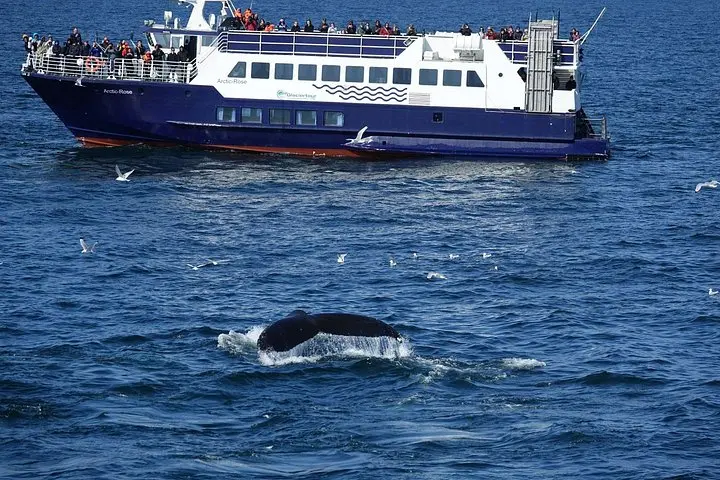
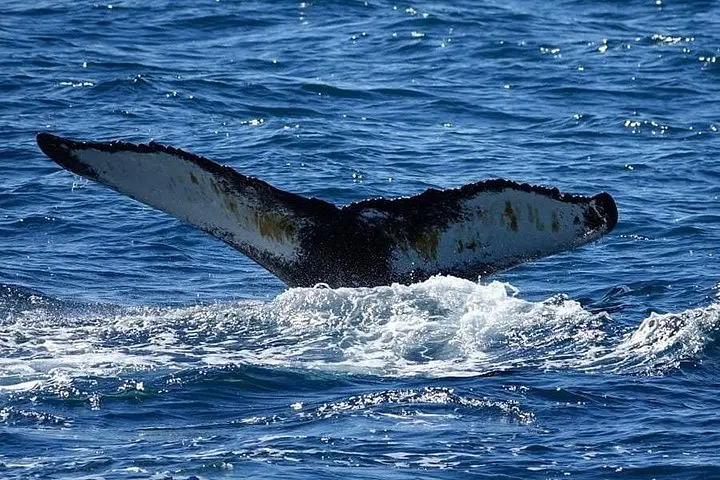
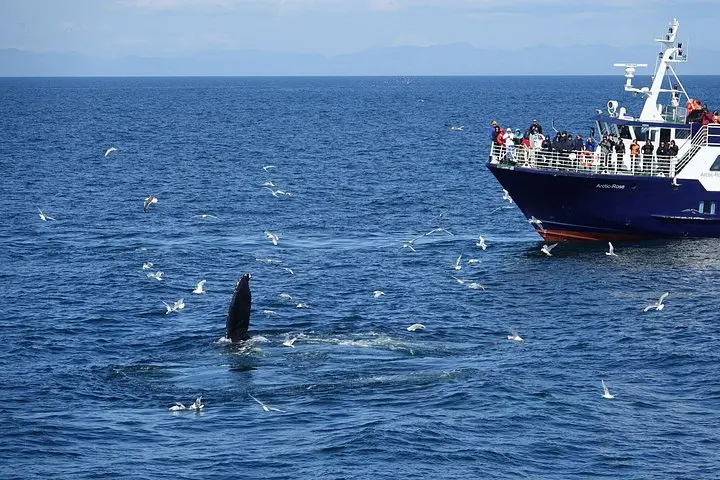
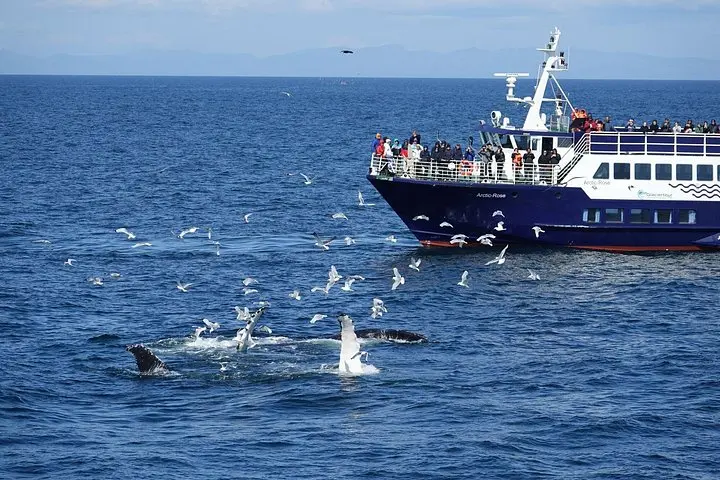
Expect a wildlife-focused outing: minkes, humpbacks and occasionally orcas, plus white-beaked dolphins and harbour porpoises. Sightings concentrate in spring–summer when prey congregates, but the bay can surprise year-round. Guides use local spotting networks and hydrophones; sightings are frequent but never guaranteed — the operator issues free return vouchers for tours with no sightings.
Practically, plan for cold wind and spray: dress in layers, bring a waterproof outer shell and secure footwear for wet decks. Arrive 30 minutes early to check in at Old Harbour House. If you’re prone to seasickness, take medication before boarding and choose a midship seat for the smoothest ride. The tour is accessible and family-friendly, with restrooms, heated cabins and expert commentary to keep the trip informative as well as memorable.
No — wildlife is unpredictable; if no sightings occur you may receive a free return voucher valid up to three years, subject to availability.
The tour runs approximately 180 minutes (3 hours) from departure at the Old Harbour and back.
Yes — the tour is family-friendly, wheelchair accessible, and has restrooms and heated cabins onboard.
Dress in warm layers with a windproof, waterproof outer layer and non-slip shoes; bring gloves and a hat even in summer.
Iceland Discover operates guided outdoor trips and adventures with an emphasis on safety, stewardship, and memorable experiences.
Stepping onto the quayside at Reykjavík’s Old Harbour, the air tastes of salt and diesel and Faxaflói Bay stretches like a patient gray horizon. Boats swing gently at the dock; guides check binoculars and weather windows, and the city’s glass Harpa gives the skyline a geometric edge. As the vessel moves offshore, the urban hum falls away and the sea takes command, its surface daring you to watch closely.
Stepping onto the quayside at Reykjavík’s Old Harbour, the air tastes of salt and diesel and Faxaflói Bay stretches like a patient gray horizon. Boats swing gently at the dock; guides check binoculars and weather windows, and the city’s glass Harpa gives the skyline a geometric edge. As the vessel moves offshore, the urban hum falls away and the sea takes command, its surface daring you to watch closely.
This coastline has been a working landscape for centuries — fishing boats, trading skiffs and modern research vessels have all threaded these waters. Geologically, you’re skirting young volcanic coasts and glacially scoured bays; on clear days distant peaks like Snæfellsjökull puncture the horizon. Culturally, the harbor remains Reykjavik’s link to the Atlantic and to Iceland’s maritime identity; local guides blend natural history with stories of coastal life.
Expect a wildlife-focused outing: minkes, humpbacks and occasionally orcas, plus white-beaked dolphins and harbour porpoises. Sightings concentrate in spring–summer when prey congregates, but the bay can surprise year-round. Guides use local spotting networks and hydrophones; sightings are frequent but never guaranteed — the operator issues free return vouchers for tours with no sightings.
Practically, plan for cold wind and spray: dress in layers, bring a waterproof outer shell and secure footwear for wet decks. Arrive 30 minutes early to check in at Old Harbour House. If you’re prone to seasickness, take medication before boarding and choose a midship seat for the smoothest ride. The tour is accessible and family-friendly, with restrooms, heated cabins and expert commentary to keep the trip informative as well as memorable.