THE ADVENTURE COLLECTIVE® · Independent discovery and booking for outdoor travel

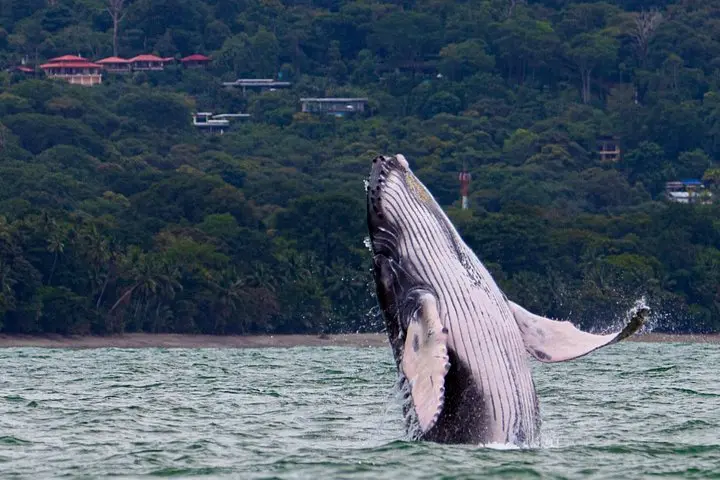
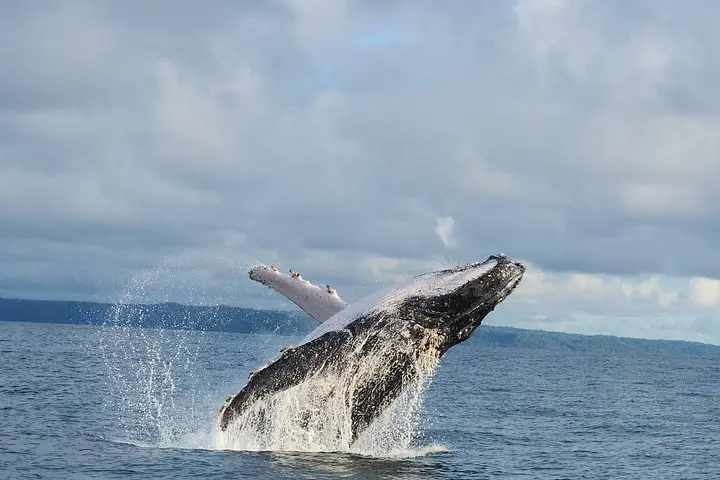
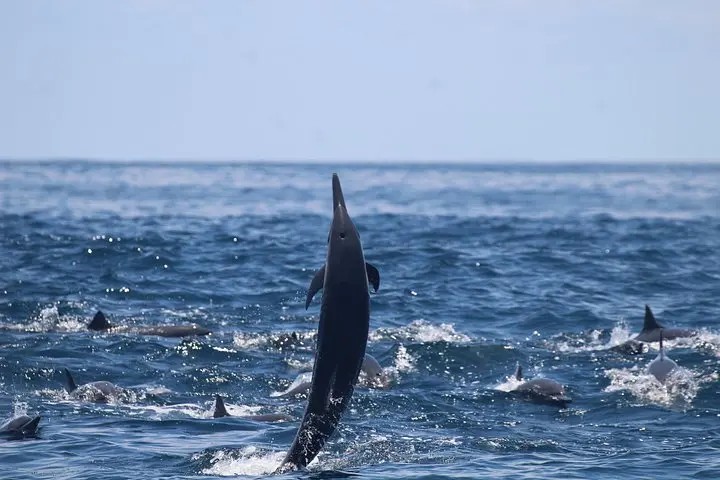
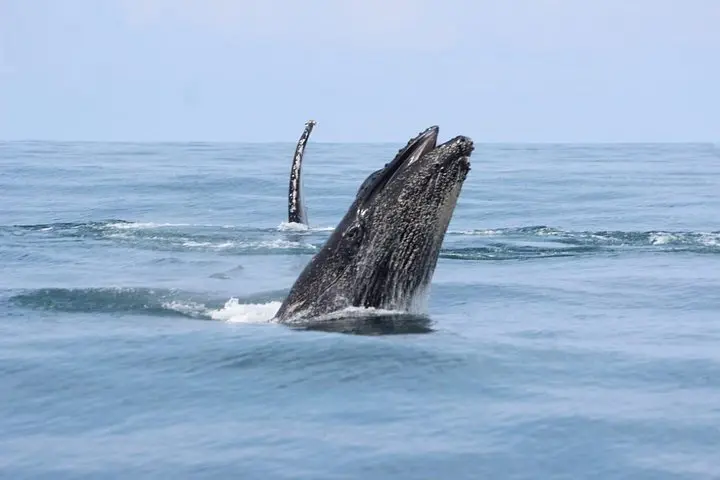
Head out from Uvita for a 3-hour guided combo tour of Marino Ballena National Park — iconic whale-watching habitat with seasonal snorkeling when conditions allow. Expect humpbacks on migration, playful dolphins, and a chance to swim in protected Pacific waters.
Head out from Uvita for a 3-hour guided combo tour of Marino Ballena National Park — iconic whale-watching habitat with seasonal snorkeling when conditions allow. Expect humpbacks on migration, playful dolphins, and a chance to swim in protected Pacific waters.
You step onto the low, sun-warmed sand at Playa Uvita and the ocean answers with a wide, moving horizon. Boats slide into the swell and the guide counts breaths and bearings — the sea here seems to breathe with purpose, pushing pods and migrating whales along the Pacific corridor.
Verified experiences and guided adventures in the surrounding area.
Operated by Ballena Tour Costa Rica · Uvita, Puntarenas
You step onto the low, sun-warmed sand at Playa Uvita and the ocean answers with a wide, moving horizon. Boats slide into the swell and the guide counts breaths and bearings — the sea here seems to breathe with purpose, pushing pods and migrating whales along the Pacific corridor.
Marino Ballena National Park is famous for the 'Whale’s Tail' sandbar, a geological ripple formed by powerful currents and longshore sediment transport. Humpback whales pass this coast on two seasonal migrations (January–April and July–November), and the park’s waters host dolphins, sea turtles and a lean, productive marine food web fed by upwelling.
Local culture is tied to the sea: artisanal fishers, small coastal farms and a growing ecotourism economy that emphasizes guides as natural historians. On this guided 3-hour combo tour (departures commonly at 8:30 a.m. and 12:30 p.m.; max ~23 people), a bilingual guide narrates sightings, hands out park tickets, and explains conservation rules meant to protect breeding corridors.
Expect search patterns and long glances through binoculars before the blow appears; when a humpback breaches the moment stretches and the ocean seems to applaud. Snorkeling is included when conditions allow—typically in the dry season—so plan for calm-water windows.
Practicalities: bring reef-safe sunscreen, motion-sickness meds if needed, a camera with zoom, and a light wind layer. The operator supplies snorkel gear, water, snacks and safety equipment; infants and certain pregnant travelers should check restrictions. Arrive early to complete check-in and sanitation protocols, and listen to the guide for the best chance to enjoy wildlife while leaving the park as intact as you found it.
Humpback migrations peak January–April and again July–November; morning departures often offer calmer seas and clearer viewing.
Snorkeling is offered when sea conditions are calm and visibility is sufficient — typically during the dry season — and the guide will confirm on the day of the tour.
The tour is generally suitable for most ages; infants must sit on laps and there are restrictions for very young children and some stages of pregnancy — check operator guidance when booking.
The operator supplies snorkeling gear, safety equipment, water, snacks and park tickets; bring sun protection, a camera, and any personal medications.
Ballena Tour Costa Rica operates guided outdoor trips and adventures with an emphasis on safety, stewardship, and memorable experiences.
You step onto the low, sun-warmed sand at Playa Uvita and the ocean answers with a wide, moving horizon. Boats slide into the swell and the guide counts breaths and bearings — the sea here seems to breathe with purpose, pushing pods and migrating whales along the Pacific corridor.
You step onto the low, sun-warmed sand at Playa Uvita and the ocean answers with a wide, moving horizon. Boats slide into the swell and the guide counts breaths and bearings — the sea here seems to breathe with purpose, pushing pods and migrating whales along the Pacific corridor.
Marino Ballena National Park is famous for the 'Whale’s Tail' sandbar, a geological ripple formed by powerful currents and longshore sediment transport. Humpback whales pass this coast on two seasonal migrations (January–April and July–November), and the park’s waters host dolphins, sea turtles and a lean, productive marine food web fed by upwelling.
Local culture is tied to the sea: artisanal fishers, small coastal farms and a growing ecotourism economy that emphasizes guides as natural historians. On this guided 3-hour combo tour (departures commonly at 8:30 a.m. and 12:30 p.m.; max ~23 people), a bilingual guide narrates sightings, hands out park tickets, and explains conservation rules meant to protect breeding corridors.
Expect search patterns and long glances through binoculars before the blow appears; when a humpback breaches the moment stretches and the ocean seems to applaud. Snorkeling is included when conditions allow—typically in the dry season—so plan for calm-water windows.
Practicalities: bring reef-safe sunscreen, motion-sickness meds if needed, a camera with zoom, and a light wind layer. The operator supplies snorkel gear, water, snacks and safety equipment; infants and certain pregnant travelers should check restrictions. Arrive early to complete check-in and sanitation protocols, and listen to the guide for the best chance to enjoy wildlife while leaving the park as intact as you found it.