THE ADVENTURE COLLECTIVE® · Independent discovery and booking for outdoor travel

Board from the historic fishing village of Steveston and spend 3–5 hours searching the Strait of Georgia for orcas, humpbacks and playful porpoises. This guided wildlife expedition pairs local naturalists with modern vessels and a high sighting rate for memorable marine encounters.
Board from the historic fishing village of Steveston and spend 3–5 hours searching the Strait of Georgia for orcas, humpbacks and playful porpoises. This guided wildlife expedition pairs local naturalists with modern vessels and a high sighting rate for memorable marine encounters.
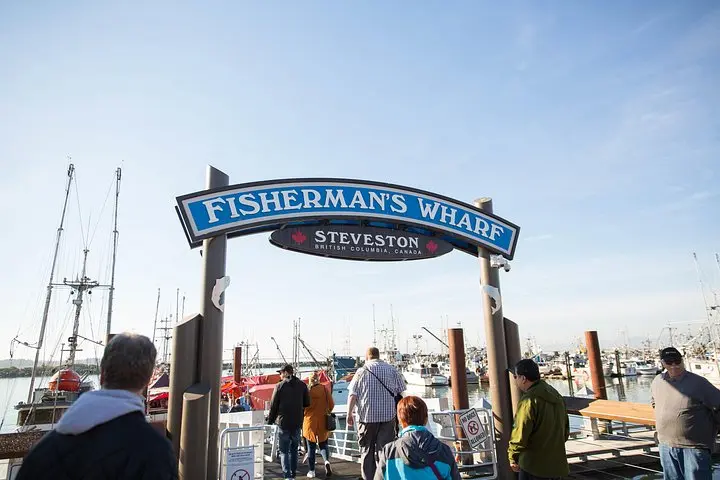
Fog lifts off the Strait of Georgia and the boat slides out of Steveston’s historic harbor, gulls calling as the coastline drops away.
Verified experiences and guided adventures in the surrounding area.
Operated by Vancouver Whale Watch · Richmond, British Columbia
Fog lifts off the Strait of Georgia and the boat slides out of Steveston’s historic harbor, gulls calling as the coastline drops away.
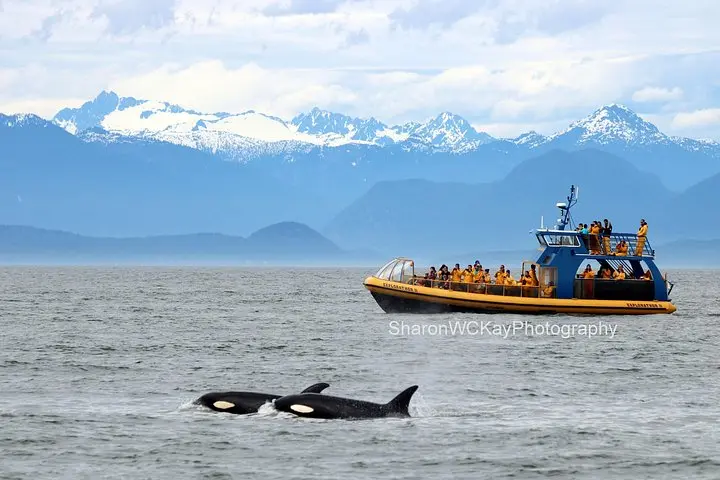
Within minutes the city skyline is a distant silhouette and the water becomes the main stage: rising breath, rolling backs, and the sudden flash of dorsal fins. Guides scan the horizon with decades of local knowledge; they’ll point out the difference between a Humpback’s knobbly fluke and an Orca’s towering fin, and explain how tidal currents funnel salmon through the islands, drawing predators in.
This stretch of Canada’s southwest coast sits where glacially carved fjords meet the Salish Sea. Indigenous communities have navigated these waters for millennia; commercial fishing and maritime trade shaped Steveston into the working village you board from today.
Expect variable sea states as you travel among the Gulf Islands and into the strait—steep drop-offs and kelp beds create productive feeding zones that attract orca pods, humpbacks, Dall’s porpoises, sea lions and bald eagles.
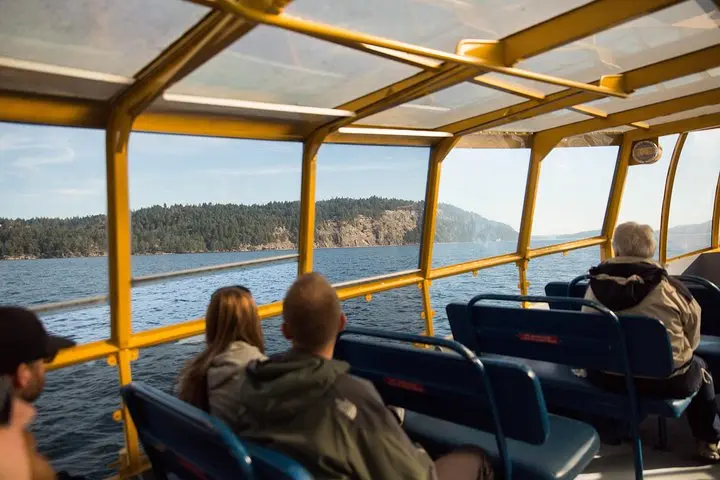
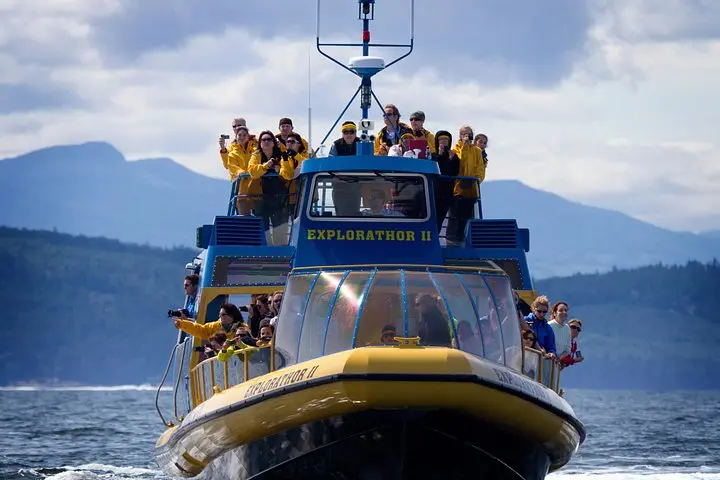
Practical notes: tours run about 3–5 hours, include a naturalist guide, bottled water, a granola bar and a yellow windbreaker. On-board restrooms and live commentary make the outing accessible to most travelers; a whale-sighting guarantee is common (return trip if no whales seen).
Plan for wind, spray and reflective sun—layered, water-resistant clothing and non-slip shoes will keep you comfortable. If you’re prone to seasickness, take preventative medication before boarding. Early or late-season trips can mean colder temperatures, while summer brings calmer seas and longer daylight for photography.
This is a wildlife expedition: bring patience, keep a respectful distance, and let the ocean decide how close the encounter will be.
Operators here report high sighting rates (often above 90% depending on season) and many offer a free return if whales aren’t seen.
Yes—most vessels on this route have on-board restrooms and basic shelter from the elements.
Yes; tours are family-friendly, but check age restrictions with the operator and prepare kids for cooler, windy conditions.
Round-trip shuttle service from downtown Vancouver can usually be added for a fee—reserve in advance if you need it.
Vancouver Whale Watch operates guided outdoor trips and adventures with an emphasis on safety, stewardship, and memorable experiences.
Fog lifts off the Strait of Georgia and the boat slides out of Steveston’s historic harbor, gulls calling as the coastline drops away.
Fog lifts off the Strait of Georgia and the boat slides out of Steveston’s historic harbor, gulls calling as the coastline drops away.
Within minutes the city skyline is a distant silhouette and the water becomes the main stage: rising breath, rolling backs, and the sudden flash of dorsal fins. Guides scan the horizon with decades of local knowledge; they’ll point out the difference between a Humpback’s knobbly fluke and an Orca’s towering fin, and explain how tidal currents funnel salmon through the islands, drawing predators in.
This stretch of Canada’s southwest coast sits where glacially carved fjords meet the Salish Sea. Indigenous communities have navigated these waters for millennia; commercial fishing and maritime trade shaped Steveston into the working village you board from today.
Expect variable sea states as you travel among the Gulf Islands and into the strait—steep drop-offs and kelp beds create productive feeding zones that attract orca pods, humpbacks, Dall’s porpoises, sea lions and bald eagles.
Practical notes: tours run about 3–5 hours, include a naturalist guide, bottled water, a granola bar and a yellow windbreaker. On-board restrooms and live commentary make the outing accessible to most travelers; a whale-sighting guarantee is common (return trip if no whales seen).
Plan for wind, spray and reflective sun—layered, water-resistant clothing and non-slip shoes will keep you comfortable. If you’re prone to seasickness, take preventative medication before boarding. Early or late-season trips can mean colder temperatures, while summer brings calmer seas and longer daylight for photography.
This is a wildlife expedition: bring patience, keep a respectful distance, and let the ocean decide how close the encounter will be.