THE ADVENTURE COLLECTIVE® · Independent discovery and booking for outdoor travel

Explore North America’s largest dinosaur hall and an extensive gem collection at the Houston Museum of Natural Science. This guide covers what to see, practical tips for visiting, and nearby points of interest.
Explore North America’s largest dinosaur hall and an extensive gem collection at the Houston Museum of Natural Science. This guide covers what to see, practical tips for visiting, and nearby points of interest.
You step through the museum doors and the air changes — climate-controlled, quiet enough that each footstep echoes past bone and stone. Towering dinosaur skeletons lean over wide aisles like slow-moving storms of history; the Gem Vault refracts light into shards that demand a second look. The layout is clear and deliberate: halls flow from paleontology to mineralogy to human cultures, each room asking you to slow down and read the past.
Verified experiences and guided adventures in the surrounding area.
Operated by Houston Museum of Natural Science · Houston, Texas
You step through the museum doors and the air changes — climate-controlled, quiet enough that each footstep echoes past bone and stone. Towering dinosaur skeletons lean over wide aisles like slow-moving storms of history; the Gem Vault refracts light into shards that demand a second look. The layout is clear and deliberate: halls flow from paleontology to mineralogy to human cultures, each room asking you to slow down and read the past.
The Houston Museum of Natural Science grew with Houston’s Museum District over the 20th century, expanding collections through field research and donations. Geology and mineral displays showcase crystalline structures and geodes, while the dinosaur halls trace deep time across North America’s fossil record. Nearby cultural sites in Hermann Park and the Museum District add context: public gardens, performance spaces, and academic collections cluster within easy walking distance.
Practicalities matter here as much as wonder. Permanent exhibits typically take about three hours to move through at a steady pace; families often linger longer at hands-on stations. Vouchers must be exchanged at the ticket desk; the museum posts special hours and free-admission windows (notably weekday evening programs). The building is wheelchair and stroller accessible, and public transit stops are nearby. Peak crowds arrive mid-afternoon and on weekends; early mornings or weekday visits deliver quieter galleries. Bring a small day pack, comfortable shoes, and a charged camera — but check signage for areas where flash and tripods are restricted. Whether you’re chasing the sparkle of a gem or the curve of a femur, the museum balances spectacle with clear, educational displays that make a practical visit feel like an expedition.
Mobile or printed vouchers are accepted; present the voucher at the ticket desk and have a photo ID available for redemption.
Allocate about three hours for a focused visit; families and enthusiasts often spend four hours or more exploring at a leisurely pace.
Yes — the museum is wheelchair and stroller accessible with elevators and accessible restrooms; staff can assist with routing if needed.
The museum runs occasional free-admission periods for permanent exhibits (for example, weekday evening windows); check the museum’s schedule before visiting.
Houston Museum of Natural Science operates guided outdoor trips and adventures with an emphasis on safety, stewardship, and memorable experiences.
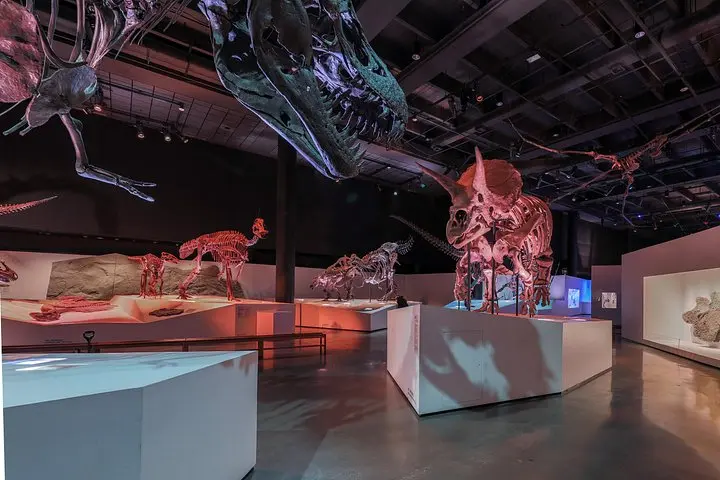
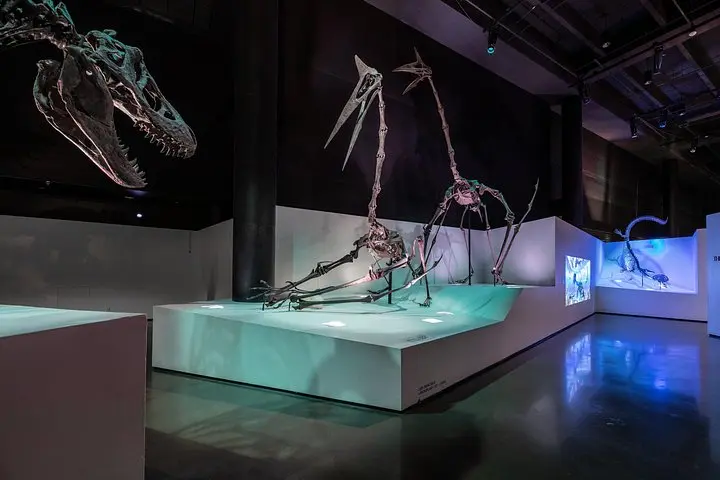
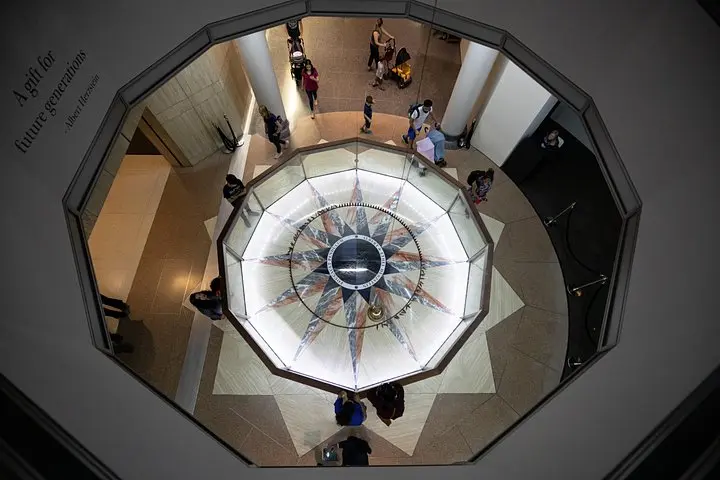
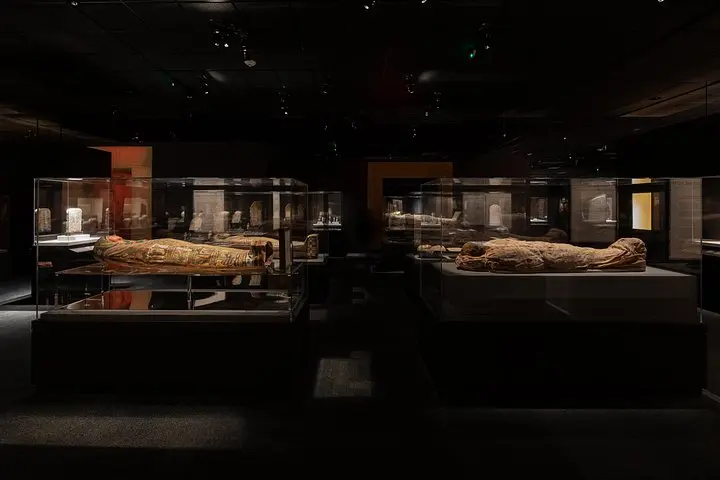
You step through the museum doors and the air changes — climate-controlled, quiet enough that each footstep echoes past bone and stone. Towering dinosaur skeletons lean over wide aisles like slow-moving storms of history; the Gem Vault refracts light into shards that demand a second look. The layout is clear and deliberate: halls flow from paleontology to mineralogy to human cultures, each room asking you to slow down and read the past.
You step through the museum doors and the air changes — climate-controlled, quiet enough that each footstep echoes past bone and stone. Towering dinosaur skeletons lean over wide aisles like slow-moving storms of history; the Gem Vault refracts light into shards that demand a second look. The layout is clear and deliberate: halls flow from paleontology to mineralogy to human cultures, each room asking you to slow down and read the past.
The Houston Museum of Natural Science grew with Houston’s Museum District over the 20th century, expanding collections through field research and donations. Geology and mineral displays showcase crystalline structures and geodes, while the dinosaur halls trace deep time across North America’s fossil record. Nearby cultural sites in Hermann Park and the Museum District add context: public gardens, performance spaces, and academic collections cluster within easy walking distance.
Practicalities matter here as much as wonder. Permanent exhibits typically take about three hours to move through at a steady pace; families often linger longer at hands-on stations. Vouchers must be exchanged at the ticket desk; the museum posts special hours and free-admission windows (notably weekday evening programs). The building is wheelchair and stroller accessible, and public transit stops are nearby. Peak crowds arrive mid-afternoon and on weekends; early mornings or weekday visits deliver quieter galleries. Bring a small day pack, comfortable shoes, and a charged camera — but check signage for areas where flash and tripods are restricted. Whether you’re chasing the sparkle of a gem or the curve of a femur, the museum balances spectacle with clear, educational displays that make a practical visit feel like an expedition.