THE ADVENTURE COLLECTIVE® · Independent discovery and booking for outdoor travel

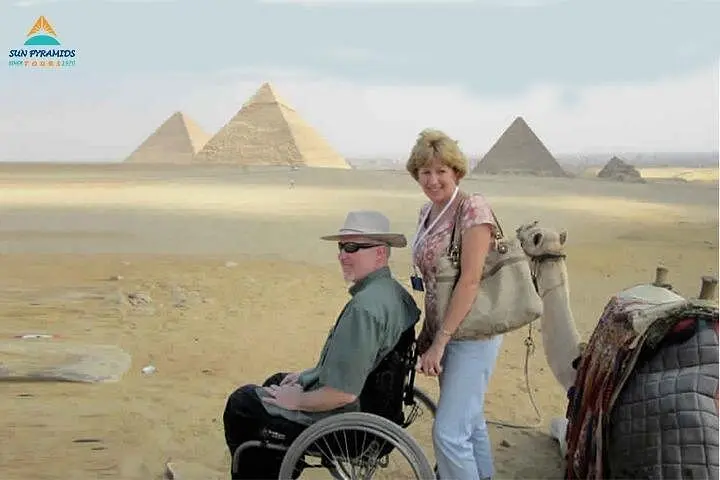
A fully accessible 10-day sweep of Egypt’s Nile Valley from Alexandria to Abu Simbel, built for wheelchair travelers who want big monuments with ground-level access. Expect paved approaches, accessible transport, and guided visits to Giza, Luxor, Aswan and the lakeside temples.
A fully accessible 10-day sweep of Egypt’s Nile Valley from Alexandria to Abu Simbel, built for wheelchair travelers who want big monuments with ground-level access. Expect paved approaches, accessible transport, and guided visits to Giza, Luxor, Aswan and the lakeside temples.
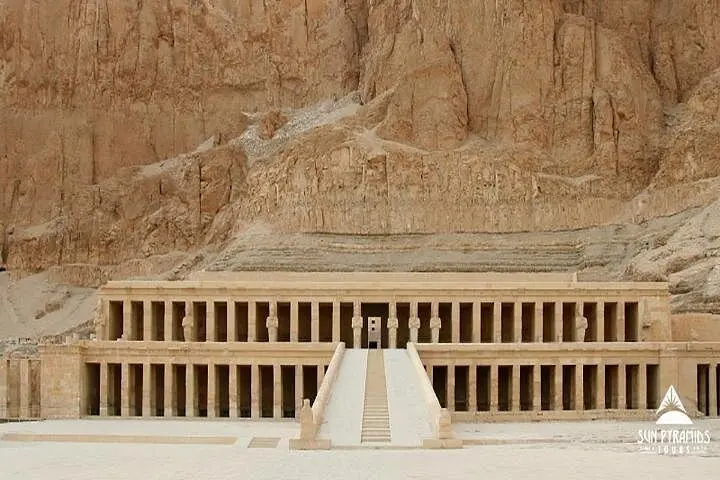
You arrive in Cairo to a swell of heat and horns, the Nile daring you to follow its slow green ribbon south. This accessible 10-day itinerary moves from Mediterranean Alexandria through Cairo’s Giza plateau, down the Nile to Luxor and Aswan, and finishes at the monumental temples of Abu Simbel on Lake Nasser.
Verified experiences and guided adventures in the surrounding area.
Operated by Sun Pyramids Tours · Cairo, Cairo Governorate
You arrive in Cairo to a swell of heat and horns, the Nile daring you to follow its slow green ribbon south. This accessible 10-day itinerary moves from Mediterranean Alexandria through Cairo’s Giza plateau, down the Nile to Luxor and Aswan, and finishes at the monumental temples of Abu Simbel on Lake Nasser.
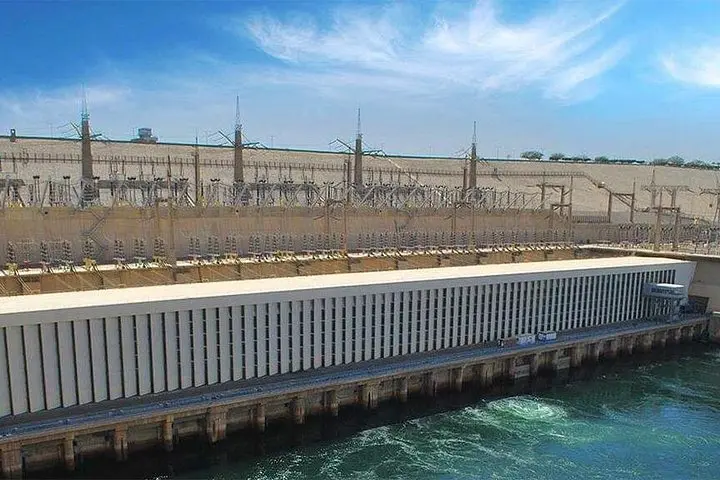
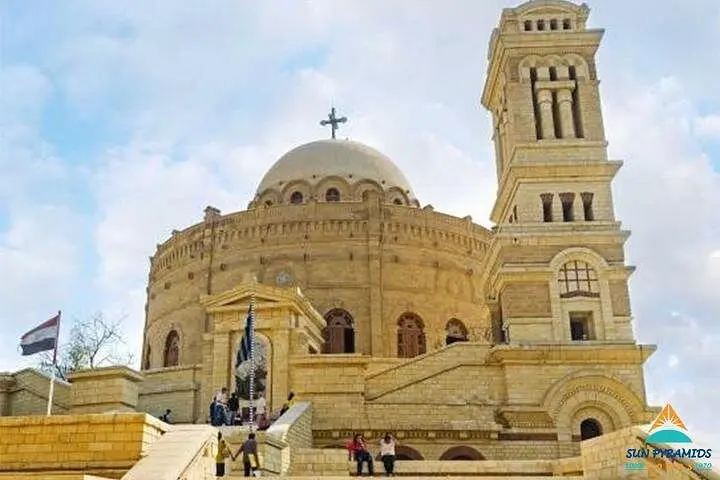
The route threads millennia: Roman columns in Alexandria, Pharaonic obelisks and valley temples in Luxor, Ottoman and Coptic neighborhoods in Cairo, and Ramses II carved into living rock at Abu Simbel — a 1960s international engineering rescue when the High Dam threatened to drown these temples. Geological change is visible too: the river’s floodplain against the arid desert escarpment, and the artificial lake of Lake Nasser altering ancient shorelines.
Culturally, expect layered markets, Nubian hospitality around Aswan, and seaside promenades in Alexandria. Guides on accessible tours handle logistics — transfers, lifts, and paved approaches — but the experience still rewards simple senses: the sun baking limestone, the cool shade under temple colonnades, and the Nile’s soft push beneath a felucca’s wake.
Practically: book seats and assistance early, carry copies of travel documents, and plan morning visits to major sites to avoid heat and crowds. Hydrate constantly, use high-SPF sun protection, and bring comfortable, stable footwear for short transfers. Respect site rules — no climbing or touching reliefs — and tip local staff for personalized accessibility service. This tour is designed for mobility-impaired travelers who want a full, ground-level sweep of Egypt’s Nile corridor.
The tour is designed for wheelchair travelers with accessible vehicles, paved approaches at major sites, and assistance, but some ancient sites may have limited access to interior chambers; your guide will manage the best viewpoints.
Yes—domestic flights between Cairo, Luxor, and Aswan are included and the operator arranges wheelchair assistance for boarding and transfers when notified in advance.
No specific vaccinations are universally required for Egypt, but routine vaccines should be current; check with your doctor for personal advice and carry any needed prescriptions.
Special diets can be accommodated with advance notice; the operator arranges meals at good-quality local restaurants and hotels that can handle common dietary requests.
Sun Pyramids Tours operates guided outdoor trips and adventures with an emphasis on safety, stewardship, and memorable experiences.
You arrive in Cairo to a swell of heat and horns, the Nile daring you to follow its slow green ribbon south. This accessible 10-day itinerary moves from Mediterranean Alexandria through Cairo’s Giza plateau, down the Nile to Luxor and Aswan, and finishes at the monumental temples of Abu Simbel on Lake Nasser.
You arrive in Cairo to a swell of heat and horns, the Nile daring you to follow its slow green ribbon south. This accessible 10-day itinerary moves from Mediterranean Alexandria through Cairo’s Giza plateau, down the Nile to Luxor and Aswan, and finishes at the monumental temples of Abu Simbel on Lake Nasser.
The route threads millennia: Roman columns in Alexandria, Pharaonic obelisks and valley temples in Luxor, Ottoman and Coptic neighborhoods in Cairo, and Ramses II carved into living rock at Abu Simbel — a 1960s international engineering rescue when the High Dam threatened to drown these temples. Geological change is visible too: the river’s floodplain against the arid desert escarpment, and the artificial lake of Lake Nasser altering ancient shorelines.
Culturally, expect layered markets, Nubian hospitality around Aswan, and seaside promenades in Alexandria. Guides on accessible tours handle logistics — transfers, lifts, and paved approaches — but the experience still rewards simple senses: the sun baking limestone, the cool shade under temple colonnades, and the Nile’s soft push beneath a felucca’s wake.
Practically: book seats and assistance early, carry copies of travel documents, and plan morning visits to major sites to avoid heat and crowds. Hydrate constantly, use high-SPF sun protection, and bring comfortable, stable footwear for short transfers. Respect site rules — no climbing or touching reliefs — and tip local staff for personalized accessibility service. This tour is designed for mobility-impaired travelers who want a full, ground-level sweep of Egypt’s Nile corridor.