
Whirling Dervishes Ceremony at Hodjapasha: Live Mevlevi Sema in Istanbul
Experience the Mevlevi Sema at Hodjapasha, a one-hour Whirling Dervishes ceremony inside a restored Ottoman bath. Expect live ney and kudüm music, a prep exhibition on Rumi, and a quiet, respectfully observed ritual.
An Adventure In Istanbul.
Experience the Mevlevi Sema at Hodjapasha, a one-hour Whirling Dervishes ceremony inside a restored Ottoman bath. Expect live ney and kudüm music, a prep exhibition on Rumi, and a quiet, respectfully observed ritual.
Read the full experience
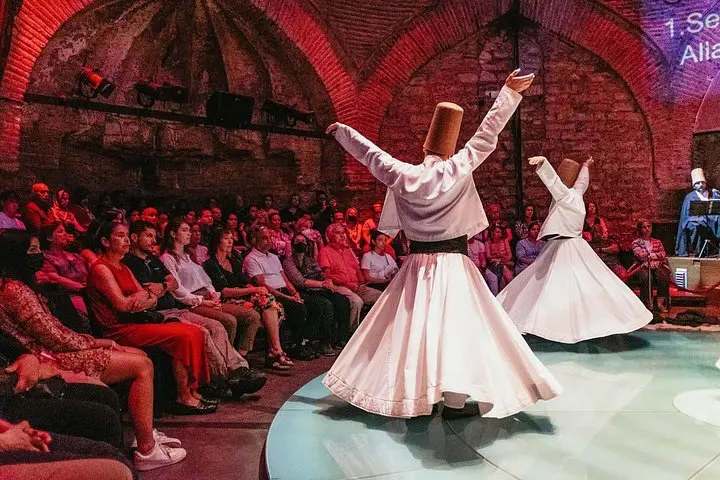
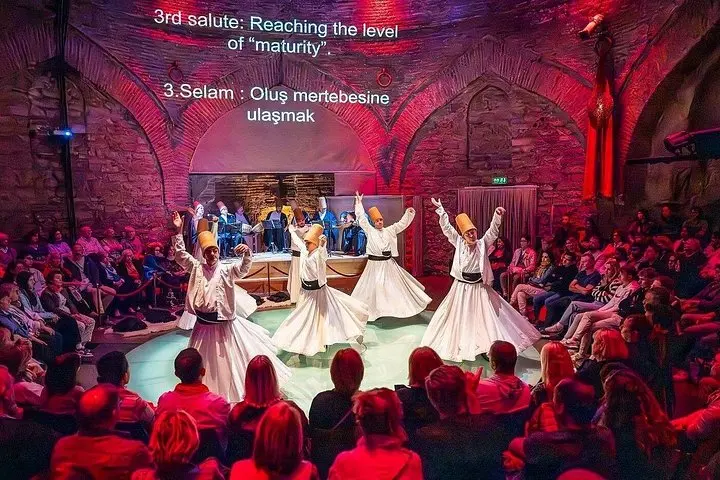
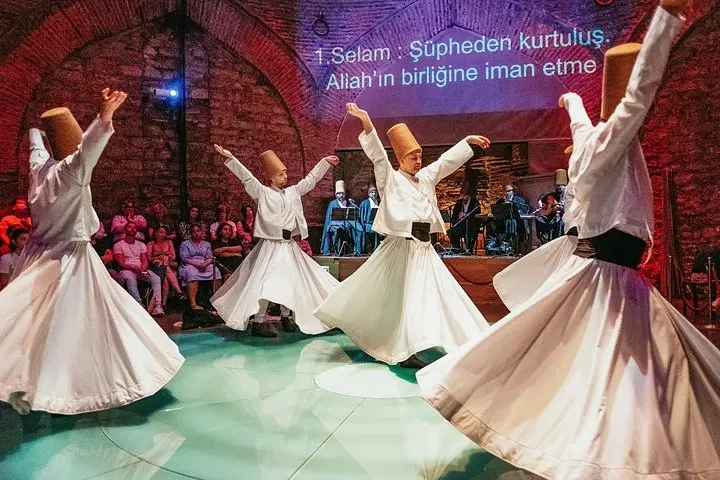
Stepping through the low, arched doorway of the Hodjapasha Cultural Center, the city noise shrinks to a murmur and the stones seem to inhale. Lamps throw warm ovals on the old hamam tiles as guests settle into reserved seating and a hush draws across the room. When the ney begins — a thin, keening wind of sound — the first dervishes rise, their skirts opening like slow moons. The motion is deliberate, ritualized; each turn is a counted gesture of devotion.
Stepping through the low, arched doorway of the Hodjapasha Cultural Center, the city noise shrinks to a murmur and the stones seem to inhale. Lamps throw warm ovals on the old hamam tiles as guests settle into reserved seating and a hush draws across the room. When the ney begins — a thin, keening wind of sound — the first dervishes rise, their skirts opening like slow moons. The motion is deliberate, ritualized; each turn is a counted gesture of devotion.
The building itself is 15th-century Ottoman: an architectural frame for a ritual that grew from 13th-century Persian mystic Rumi and the Mevlevi tradition. The Sema ceremony fuses music, poetry, and choreography into a spiritual practice meant to express unity and divine love. In Sirkeci, a neighborhood shaped by trade and empire, this performance ties modern Istanbul to centuries of religious and cultural exchange.
Practicalities are simple but important: the one-hour experience includes a small exhibition on Rumi and Mevlevi philosophy, so arrive 20–30 minutes early to read context before the lights dim. Dress respectfully and keep phones silent; the ritual asks for quiet reflection. Photography rules vary—follow staff guidance and avoid flash. Public transit and short walks from Sultanahmet make the center easily reachable.
For travelers seeking more than spectacle, the Hodjapasha evening is a concentrated cultural immersion — an intimate, meditative hour that reframes how you hear music and watch movement, and that rewards attention with a quieter, fuller view of Istanbul’s spiritual life.
Frequently asked questions
The full program runs about one hour, including short time in the exhibition area before the performance.
Policies vary by night; flash is generally discouraged and staff will advise — follow the venue’s instructions to avoid disruption.
Infants and well-behaved children are allowed but must sit on laps and remain quiet; the atmosphere calls for respectful observation.
The center is in Sirkeci, within easy walking distance from the Sultanahmet tram stop and other central transit lines.
About This Experience
Poyraz Travel operates guided outdoor trips and adventures with an emphasis on safety, stewardship, and memorable experiences.
Adventure tips
Recommended gear
- Comfortable shoes: You’ll be standing or walking a short distance from transit and up modest steps in the venue.
- Light scarf or shawl: Provides modest coverage and can be useful if the indoor temperature feels cool.
- Compact daypack: Holds tickets, a water bottle, and any brochures from the exhibition.
- Phone with silent mode: For ticketing and photos before/after the ceremony — keep it muted during the performance.
Photos of the experience
Related adventures & guides
Read the full experience
Stepping through the low, arched doorway of the Hodjapasha Cultural Center, the city noise shrinks to a murmur and the stones seem to inhale. Lamps throw warm ovals on the old hamam tiles as guests settle into reserved seating and a hush draws across the room. When the ney begins — a thin, keening wind of sound — the first dervishes rise, their skirts opening like slow moons. The motion is deliberate, ritualized; each turn is a counted gesture of devotion.
Stepping through the low, arched doorway of the Hodjapasha Cultural Center, the city noise shrinks to a murmur and the stones seem to inhale. Lamps throw warm ovals on the old hamam tiles as guests settle into reserved seating and a hush draws across the room. When the ney begins — a thin, keening wind of sound — the first dervishes rise, their skirts opening like slow moons. The motion is deliberate, ritualized; each turn is a counted gesture of devotion.
The building itself is 15th-century Ottoman: an architectural frame for a ritual that grew from 13th-century Persian mystic Rumi and the Mevlevi tradition. The Sema ceremony fuses music, poetry, and choreography into a spiritual practice meant to express unity and divine love. In Sirkeci, a neighborhood shaped by trade and empire, this performance ties modern Istanbul to centuries of religious and cultural exchange.
Practicalities are simple but important: the one-hour experience includes a small exhibition on Rumi and Mevlevi philosophy, so arrive 20–30 minutes early to read context before the lights dim. Dress respectfully and keep phones silent; the ritual asks for quiet reflection. Photography rules vary—follow staff guidance and avoid flash. Public transit and short walks from Sultanahmet make the center easily reachable.
For travelers seeking more than spectacle, the Hodjapasha evening is a concentrated cultural immersion — an intimate, meditative hour that reframes how you hear music and watch movement, and that rewards attention with a quieter, fuller view of Istanbul’s spiritual life.
Make a day of it nearby.
Verified experiences and guided adventures in the surrounding area.