THE ADVENTURE COLLECTIVE® · Independent discovery and booking for outdoor travel

Six days on Kilimanjaro’s Machame — the Whisky Route — takes you from rainforest to summit ridge, offering excellent acclimatization and dramatic geology. This guide outlines the route, what to expect each day, and practical tips to reach Uhuru Peak safely.
Six days on Kilimanjaro’s Machame — the Whisky Route — takes you from rainforest to summit ridge, offering excellent acclimatization and dramatic geology. This guide outlines the route, what to expect each day, and practical tips to reach Uhuru Peak safely.
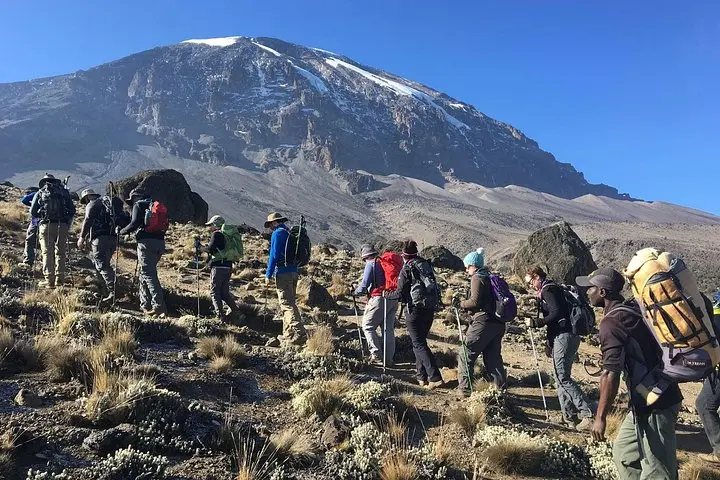
On a humid afternoon outside Arusha, the rainforest lunges at you—vines hooking into moss, colobus monkeys barking from the canopy—and the Machame Gate swallows a line of climbers like a door into another world. The Machame or "Whisky" Route wastes no time changing the mood: over six days you pass from tropical green to alpine desert and finally the razor-edge of the summit ridge. The climb is less a single moment than a sequence of environments that test legs, lungs, and nerve.
Verified experiences and guided adventures in the surrounding area.
Operated by Herbivore African Expeditions · Moshi, Arusha Region
On a humid afternoon outside Arusha, the rainforest lunges at you—vines hooking into moss, colobus monkeys barking from the canopy—and the Machame Gate swallows a line of climbers like a door into another world. The Machame or "Whisky" Route wastes no time changing the mood: over six days you pass from tropical green to alpine desert and finally the razor-edge of the summit ridge. The climb is less a single moment than a sequence of environments that test legs, lungs, and nerve.
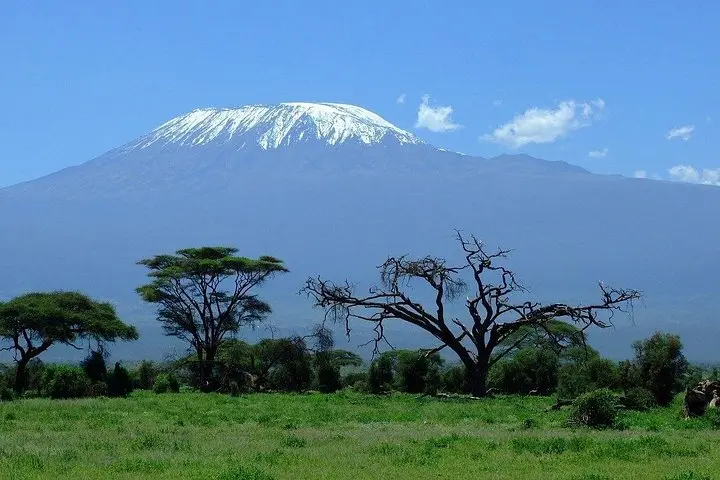
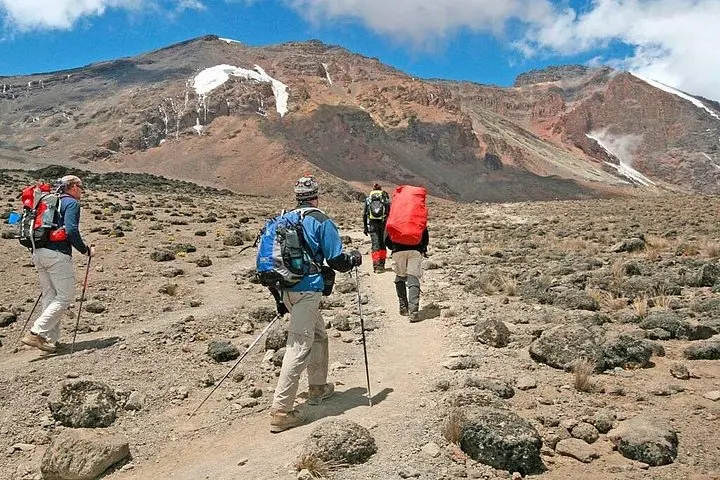
Geology makes itself known in sudden gestures: the Shira Plateau unfurls as a flat, wind-raw slab of volcanic rock, then the Lava Tower rises like a black tooth—evidence of Kilimanjaro’s volcanic past—and high on the crater rim the old glaciers still smear the summit with white despite decades of retreat. Culturally, the mountain is tied to the Chagga people who have farmed the lower slopes for generations; their terraced fields and coffee farms are the foreground to your first steps, and local guides carry both practical knowledge and the mountain’s oral history.
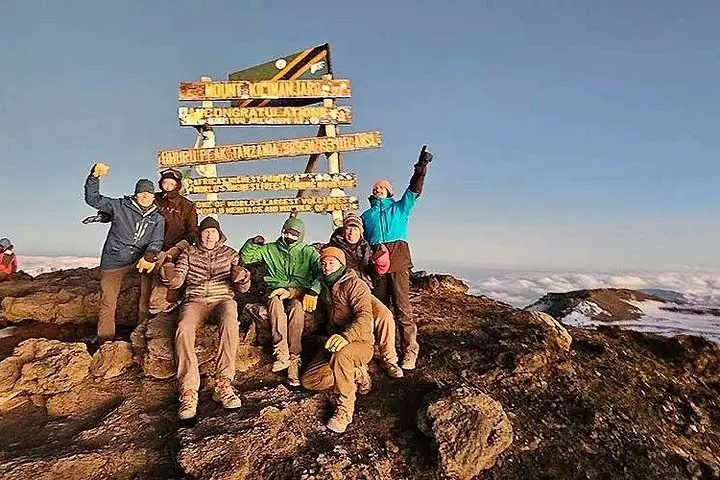
Day-to-day, the itinerary follows a thoughtful acclimatization pattern: Machame Camp (3,000 m) to Shira (3,840 m), a high push to Lava Tower (4,600 m) followed by a drop to Barranco (3,950 m), the Barranco Wall scramble, then Karanga, Barafu (4,640 m) for the pre-dawn summit bid and the final push to Uhuru Peak (5,895 m). The summit night is long—expect a midnight start, 6–8 hours up across scree and shale, and a sunrise that makes the cold feel worth it.
Practicality sits under the romance. Permits are issued at Machame Gate; porters will carry heavier loads but you should be comfortable carrying your daypack. Altitude, not distance, is the primary challenge—pace conservatively, drink continuously, and watch for acute mountain sickness signs. Footwear with solid ankle support, layered insulation, and a 0°F/-18°C sleeping bag for the high camps are non-negotiable. Weather changes fast above 3,500 meters: wind and sun can alternate within an hour.
On success you’ll descend to Mweka, collect a summit certificate at the gate, and return to Arusha with a new sense of scale. For motivated, well-prepared trekkers, the Whisky Route rewards with steep terrain, excellent acclimatization, and a summit that still manages to surprise.
Yes—entry permits are issued at Machame Gate and must be carried during the trek; operators typically handle permits for groups.
The clearest windows are late June–October and late December–February; avoid the long rains (March–May) and short rains (November–early December) if possible.
Summit night is strenuous due to altitude, darkness, and steep scree; expect 6–8 hours up and 3–5 hours down with limited sleep beforehand.
Yes; reputable operators provide porters who carry communal tents and most personal gear—tip and fair treatment are expected.
Persistent headache, nausea, dizziness, and shortness of breath; inform guides immediately—descent is the only definitive treatment for severe AMS.
No—summit success depends on acclimatization, weather, and fitness; the Machame route improves chances through staged altitude gain but offers no guarantees.
Herbivore African Expeditions operates guided outdoor trips and adventures with an emphasis on safety, stewardship, and memorable experiences.
On a humid afternoon outside Arusha, the rainforest lunges at you—vines hooking into moss, colobus monkeys barking from the canopy—and the Machame Gate swallows a line of climbers like a door into another world. The Machame or "Whisky" Route wastes no time changing the mood: over six days you pass from tropical green to alpine desert and finally the razor-edge of the summit ridge. The climb is less a single moment than a sequence of environments that test legs, lungs, and nerve.
On a humid afternoon outside Arusha, the rainforest lunges at you—vines hooking into moss, colobus monkeys barking from the canopy—and the Machame Gate swallows a line of climbers like a door into another world. The Machame or "Whisky" Route wastes no time changing the mood: over six days you pass from tropical green to alpine desert and finally the razor-edge of the summit ridge. The climb is less a single moment than a sequence of environments that test legs, lungs, and nerve.
Geology makes itself known in sudden gestures: the Shira Plateau unfurls as a flat, wind-raw slab of volcanic rock, then the Lava Tower rises like a black tooth—evidence of Kilimanjaro’s volcanic past—and high on the crater rim the old glaciers still smear the summit with white despite decades of retreat. Culturally, the mountain is tied to the Chagga people who have farmed the lower slopes for generations; their terraced fields and coffee farms are the foreground to your first steps, and local guides carry both practical knowledge and the mountain’s oral history.
Day-to-day, the itinerary follows a thoughtful acclimatization pattern: Machame Camp (3,000 m) to Shira (3,840 m), a high push to Lava Tower (4,600 m) followed by a drop to Barranco (3,950 m), the Barranco Wall scramble, then Karanga, Barafu (4,640 m) for the pre-dawn summit bid and the final push to Uhuru Peak (5,895 m). The summit night is long—expect a midnight start, 6–8 hours up across scree and shale, and a sunrise that makes the cold feel worth it.
Practicality sits under the romance. Permits are issued at Machame Gate; porters will carry heavier loads but you should be comfortable carrying your daypack. Altitude, not distance, is the primary challenge—pace conservatively, drink continuously, and watch for acute mountain sickness signs. Footwear with solid ankle support, layered insulation, and a 0°F/-18°C sleeping bag for the high camps are non-negotiable. Weather changes fast above 3,500 meters: wind and sun can alternate within an hour.
On success you’ll descend to Mweka, collect a summit certificate at the gate, and return to Arusha with a new sense of scale. For motivated, well-prepared trekkers, the Whisky Route rewards with steep terrain, excellent acclimatization, and a summit that still manages to surprise.