THE ADVENTURE COLLECTIVE® · Independent discovery and booking for outdoor travel

Spend a three‑hour, family-friendly morning fishing for rainbow trout in Callaghan Valley. A scenic 4×4 side‑by‑side ride delivers you to a secluded pond where patient guides teach first-time anglers how to cast, hook, and safely handle fish.
Spend a three‑hour, family-friendly morning fishing for rainbow trout in Callaghan Valley. A scenic 4×4 side‑by‑side ride delivers you to a secluded pond where patient guides teach first-time anglers how to cast, hook, and safely handle fish.
The diesel hum settles as the side‑by‑side eases off the logging road and the spruce-thinned valley opens up: a small mirror of water framed by alder and cedar, the kind of lake that seems to have been kept secret on purpose. Guides unload rods and a wooden dock creaks under the careful steps of kids and grandparents alike. For three hours the Callaghan Valley stops being a point on a map and becomes a sequence of simple pleasures—casting, waiting, and then the sudden, bright tug when a rainbow trout takes the bait.
Verified experiences and guided adventures in the surrounding area.
Operated by Whistler ATV · Whistler, British Columbia
The diesel hum settles as the side‑by‑side eases off the logging road and the spruce-thinned valley opens up: a small mirror of water framed by alder and cedar, the kind of lake that seems to have been kept secret on purpose. Guides unload rods and a wooden dock creaks under the careful steps of kids and grandparents alike. For three hours the Callaghan Valley stops being a point on a map and becomes a sequence of simple pleasures—casting, waiting, and then the sudden, bright tug when a rainbow trout takes the bait.
Callaghan Valley sits a short drive from Whistler, carved by ancient glaciers and updated by logging roads and Olympic-era trails. The valley’s low ridges and broad wetlands were used seasonally by local Indigenous peoples; later the area drew attention during the 2010 Winter Games when nearby facilities brought a new wave of visitors and a renewed focus on recreation planning. Geologically, this is post‑glacial terrain—moraine deposits, slow streams and pockets of fishable water that make for calm, sheltered angling even on windier days higher on the mountains.
Cultural context matters here: this is public backcountry that’s still used for guiding and family outings. Guides emphasize low-impact techniques and often teach catch-and-release for undersized fish. The small group size—maximum five clients per guide—means instruction is personal, and novices leave with more than a souvenir photo; they leave with cast technique and a sense of how angling ties to the valley’s seasonal rhythms.
Practically, expect a 4x4 side‑by‑side ride of roughly 15–25 minutes from the meet point in Whistler to the pond; the walk from vehicle to dock is short and largely level with minimal elevation change. All fishing gear and a local guide are included; life vests for kids are provided. The tour runs about three hours total—plan for about 2–3 hours of active fishing time—with gentle pacing ideal for families and first-time anglers.
Pointers: arrive 15 minutes early at the Whistler ATV Tours meeting point, dress in layers for sudden mountain sun or shade, and wear closed-toe shoes with decent grip for the dock and muddy trails. If you want photos, take a small, weatherproof camera and be ready for low-angle light in the morning. Respect local wildlife—bald eagles and the occasional black bear patrol the valley edges—and follow your guide’s lead on handling fish to minimize stress.
This outing is a tidy, low‑stress introduction to West Coast angling: part scenic ride, part skills clinic, and part lakeside calm. It’s the sort of day that gives kids a first fish and adults a reminder that the best adventures are sometimes the ones that teach you something new about an old lake.
The full experience is about three hours, including the 4×4 transfer and roughly two to three hours of fishing time.
Yes—children 5 and older are welcome; under 19 must be accompanied by a parent or guardian, and life vests are provided as needed.
All fishing gear and a local guide are included; guests should bring weather-appropriate clothing and personal items like sunscreen.
Policies vary by pond stocking and local regulations; ask your guide—most beginner tours encourage catch-and-release for smaller fish.
The tour may be canceled for severe weather; full refunds are available if you cancel at least 24 hours in advance per the operator’s policy.
Yes—minimum two full-paying adults are required for departure; maximum five clients per guide ensures personalized instruction.
Whistler ATV operates guided outdoor trips and adventures with an emphasis on safety, stewardship, and memorable experiences.
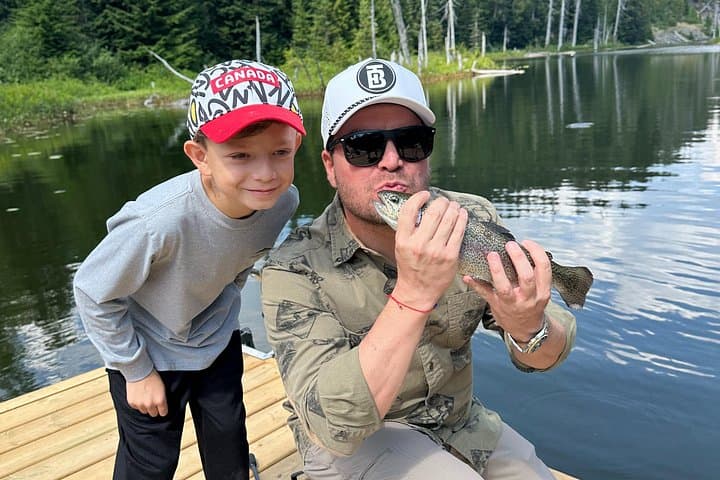
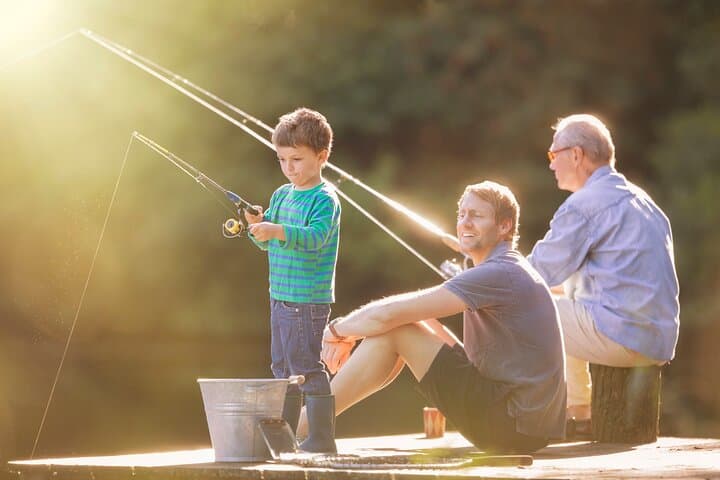
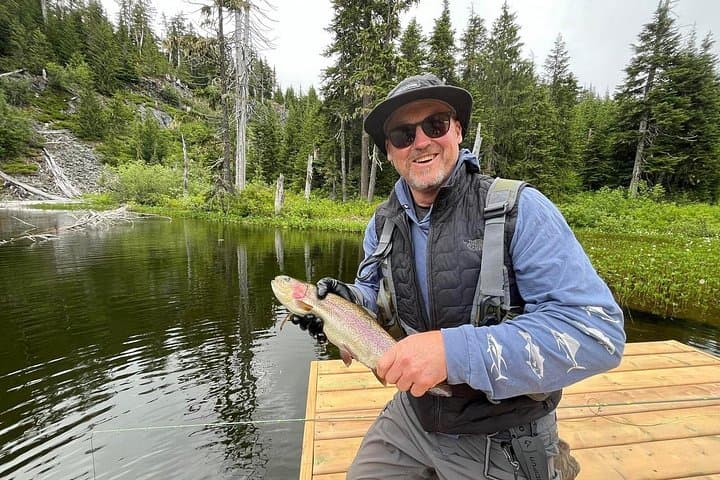
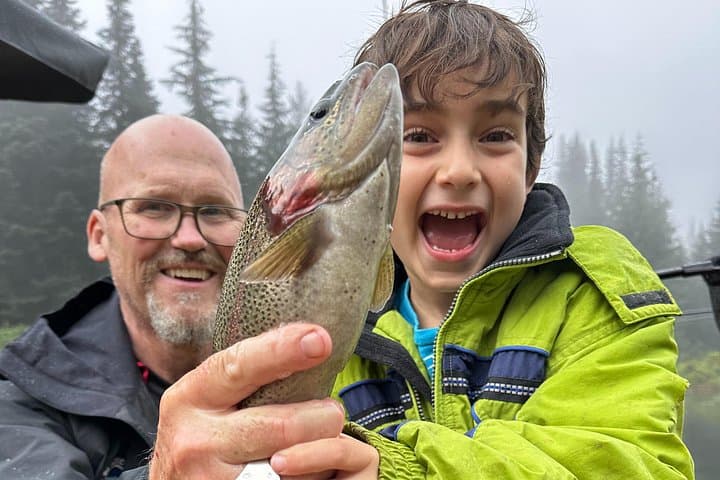
The diesel hum settles as the side‑by‑side eases off the logging road and the spruce-thinned valley opens up: a small mirror of water framed by alder and cedar, the kind of lake that seems to have been kept secret on purpose. Guides unload rods and a wooden dock creaks under the careful steps of kids and grandparents alike. For three hours the Callaghan Valley stops being a point on a map and becomes a sequence of simple pleasures—casting, waiting, and then the sudden, bright tug when a rainbow trout takes the bait.
The diesel hum settles as the side‑by‑side eases off the logging road and the spruce-thinned valley opens up: a small mirror of water framed by alder and cedar, the kind of lake that seems to have been kept secret on purpose. Guides unload rods and a wooden dock creaks under the careful steps of kids and grandparents alike. For three hours the Callaghan Valley stops being a point on a map and becomes a sequence of simple pleasures—casting, waiting, and then the sudden, bright tug when a rainbow trout takes the bait.
Callaghan Valley sits a short drive from Whistler, carved by ancient glaciers and updated by logging roads and Olympic-era trails. The valley’s low ridges and broad wetlands were used seasonally by local Indigenous peoples; later the area drew attention during the 2010 Winter Games when nearby facilities brought a new wave of visitors and a renewed focus on recreation planning. Geologically, this is post‑glacial terrain—moraine deposits, slow streams and pockets of fishable water that make for calm, sheltered angling even on windier days higher on the mountains.
Cultural context matters here: this is public backcountry that’s still used for guiding and family outings. Guides emphasize low-impact techniques and often teach catch-and-release for undersized fish. The small group size—maximum five clients per guide—means instruction is personal, and novices leave with more than a souvenir photo; they leave with cast technique and a sense of how angling ties to the valley’s seasonal rhythms.
Practically, expect a 4x4 side‑by‑side ride of roughly 15–25 minutes from the meet point in Whistler to the pond; the walk from vehicle to dock is short and largely level with minimal elevation change. All fishing gear and a local guide are included; life vests for kids are provided. The tour runs about three hours total—plan for about 2–3 hours of active fishing time—with gentle pacing ideal for families and first-time anglers.
Pointers: arrive 15 minutes early at the Whistler ATV Tours meeting point, dress in layers for sudden mountain sun or shade, and wear closed-toe shoes with decent grip for the dock and muddy trails. If you want photos, take a small, weatherproof camera and be ready for low-angle light in the morning. Respect local wildlife—bald eagles and the occasional black bear patrol the valley edges—and follow your guide’s lead on handling fish to minimize stress.
This outing is a tidy, low‑stress introduction to West Coast angling: part scenic ride, part skills clinic, and part lakeside calm. It’s the sort of day that gives kids a first fish and adults a reminder that the best adventures are sometimes the ones that teach you something new about an old lake.