THE ADVENTURE COLLECTIVE® · Independent discovery and booking for outdoor travel
Clip into a steel cable, climb fixed rungs and summit Whistler Mountain with a professional guide. This beginner-friendly via ferrata pairs alpine exposure with glacier-edge views and requires moderate fitness and a Peak 2 Peak gondola ticket.
Clip into a steel cable, climb fixed rungs and summit Whistler Mountain with a professional guide. This beginner-friendly via ferrata pairs alpine exposure with glacier-edge views and requires moderate fitness and a Peak 2 Peak gondola ticket.
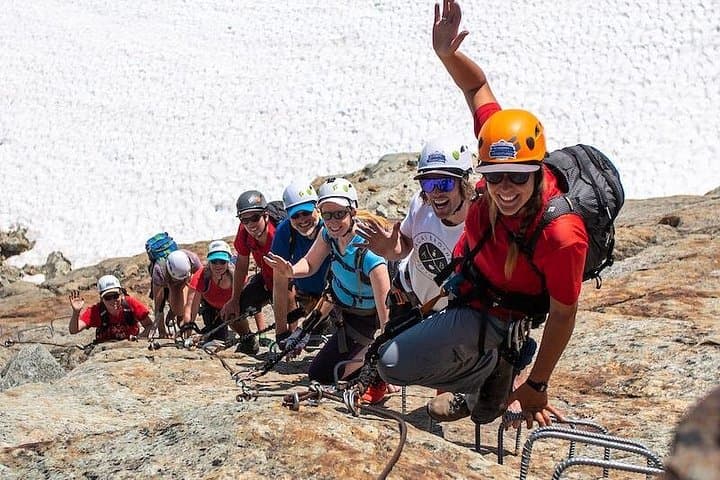
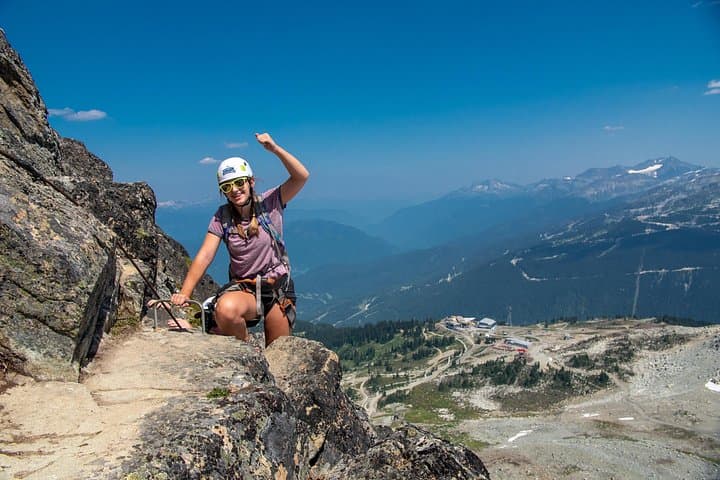
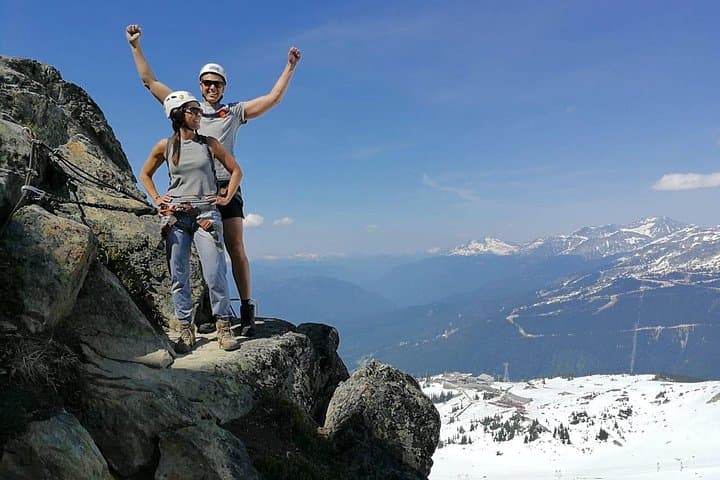
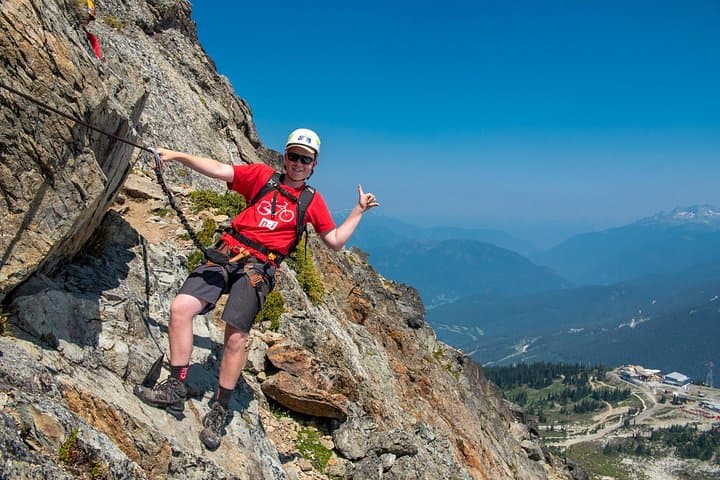
A cold wind sweeps across the upper ridge as you clip into the fixed cable and step toward the face of Whistler Mountain. The valley below shrinks to a checkerboard of evergreens and lakes; above, the glacier’s edge gleams and dares you onward. On this guided via ferrata, the mountain moves from distant postcard to immediate challenge.
Verified experiences and guided adventures in the surrounding area.
Operated by Mountain Skills Academy & Adventures · Whistler, British Columbia
A cold wind sweeps across the upper ridge as you clip into the fixed cable and step toward the face of Whistler Mountain. The valley below shrinks to a checkerboard of evergreens and lakes; above, the glacier’s edge gleams and dares you onward. On this guided via ferrata, the mountain moves from distant postcard to immediate challenge.
Whistler’s peaks sit on traditional Squamish and Lil’wat territory and were long-traveled summer routes before alpine recreation began in the 20th century. Geologically the area is carved by Pleistocene glaciers—expect sculpted cirques, exposed volcanic and metamorphic bedrock, and moraine fields that tell the story of moving ice.
The route starts with a 30–45 minute hike across alpine scree to a low scramble, then transitions to the engineered via ferrata: fixed rungs, steel cables, and staged belays that make vertical exposure manageable for beginners. Guides manage clipping, pacing, and photo stops at the midway ledge. Weather can flip quickly; fog and wind dress the ridge differently than the valley.
Practical tips: bring sturdy hiking boots, warm layers, gloves for the metal rungs, and 1–2 liters of water. You’ll need a Peak 2 Peak gondola ticket to reach the top meeting point unless provided; the climb runs about four hours and suits anyone with moderate fitness and a steady head for exposure. Respect rope lines, follow your guide’s instructions for clipping and un-clipping, and pack out waste. Reach the summit cabin for panoramic views before descending—this is alpine climbing made accessible, where the mountain’s moods are part of the experience.
No — the via ferrata is engineered for beginners; guides teach clipping techniques and manage safety systems throughout.
Yes — a Peak 2 Peak gondola ticket to reach the top meeting cabin is required and is not included unless arranged with the operator in advance.
Minimum age is 12; participants should have a moderate level of fitness and be comfortable on short scrambling sections and exposed heights.
The operator runs tours in most weather but may cancel for safety if conditions are hazardous; cancel at least 24 hours for a full refund per the policy.
Mountain Skills Academy & Adventures operates guided outdoor trips and adventures with an emphasis on safety, stewardship, and memorable experiences.
A cold wind sweeps across the upper ridge as you clip into the fixed cable and step toward the face of Whistler Mountain. The valley below shrinks to a checkerboard of evergreens and lakes; above, the glacier’s edge gleams and dares you onward. On this guided via ferrata, the mountain moves from distant postcard to immediate challenge.
A cold wind sweeps across the upper ridge as you clip into the fixed cable and step toward the face of Whistler Mountain. The valley below shrinks to a checkerboard of evergreens and lakes; above, the glacier’s edge gleams and dares you onward. On this guided via ferrata, the mountain moves from distant postcard to immediate challenge.
Whistler’s peaks sit on traditional Squamish and Lil’wat territory and were long-traveled summer routes before alpine recreation began in the 20th century. Geologically the area is carved by Pleistocene glaciers—expect sculpted cirques, exposed volcanic and metamorphic bedrock, and moraine fields that tell the story of moving ice.
The route starts with a 30–45 minute hike across alpine scree to a low scramble, then transitions to the engineered via ferrata: fixed rungs, steel cables, and staged belays that make vertical exposure manageable for beginners. Guides manage clipping, pacing, and photo stops at the midway ledge. Weather can flip quickly; fog and wind dress the ridge differently than the valley.
Practical tips: bring sturdy hiking boots, warm layers, gloves for the metal rungs, and 1–2 liters of water. You’ll need a Peak 2 Peak gondola ticket to reach the top meeting point unless provided; the climb runs about four hours and suits anyone with moderate fitness and a steady head for exposure. Respect rope lines, follow your guide’s instructions for clipping and un-clipping, and pack out waste. Reach the summit cabin for panoramic views before descending—this is alpine climbing made accessible, where the mountain’s moods are part of the experience.
