THE ADVENTURE COLLECTIVE® · Independent discovery and booking for outdoor travel

A full-day 4x4 journey from Cairo that pairs the volcanic Black Desert with the surreal chalk sculptures of the White Desert via Bahariya Oasis and Crystal Mountain. Expect long drives, short hikes, and unforgettable desert light.
A full-day 4x4 journey from Cairo that pairs the volcanic Black Desert with the surreal chalk sculptures of the White Desert via Bahariya Oasis and Crystal Mountain. Expect long drives, short hikes, and unforgettable desert light.
Morning light hits the highway out of Cairo and the city shrinks to a memory as the air-conditioning hums and the asphalt becomes a ribbon through ochre plains.
Verified experiences and guided adventures in the surrounding area.
Operated by Tamer Safari · Bahariya Oasis (Al-Bawiti), New Valley Governorate
Morning light hits the highway out of Cairo and the city shrinks to a memory as the air-conditioning hums and the asphalt becomes a ribbon through ochre plains.
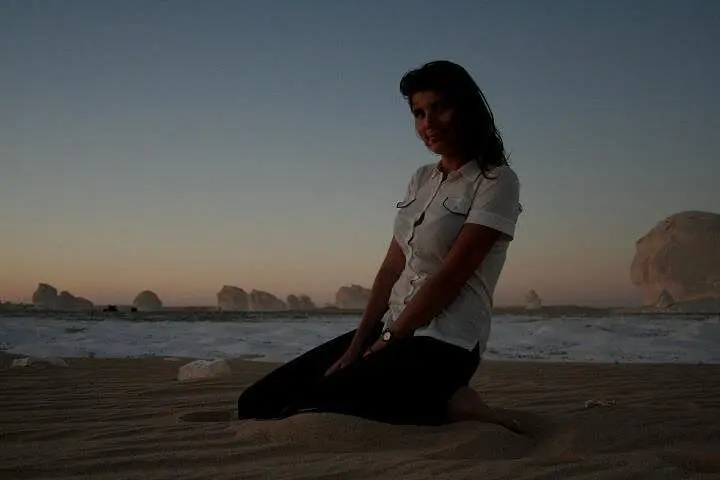
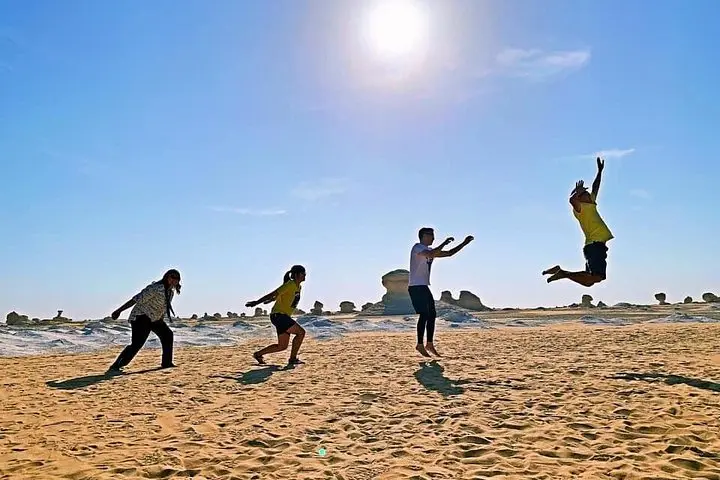
By midday you arrive at Bahariya Oasis, the green throat of the Western Desert, then climb into a 4x4 for a jeep safari that threads past black volcanic sands and chalk castles. The Black Desert imposes itself first—dark, volcanic hills that seem to lean toward the sun—before you move on to the cold spring and a simple lunch in El Hez village. Rocks here have a personality: the wind has gnawed faces, stacked mushrooms and improbable pedestals out of chalk that look animated at sunrise and sunset.
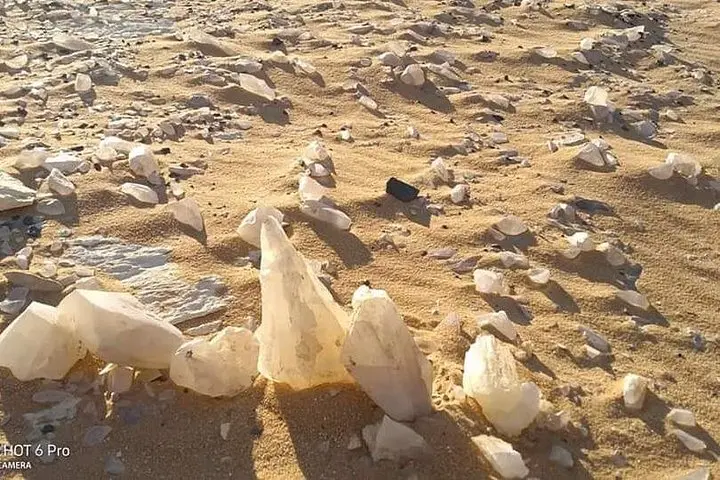
The route takes you to Crystal Mountain, a vein of quartz and shimmering angles, and on to the White Desert where pale limestone sculptures spread like a surreal gallery. These formations formed over millennia as soft chalk eroded under fierce winds; the area became a protected reserve in 2002 to keep the fragile landscape intact. Local oases have supported agriculture and caravan trade since Pharaonic times, and village guides connect visitors to that living history.
Practical side: expect long driving days, brief walks on soft sand and uneven chalk, and significant sun exposure. Hydrate early, wear closed shoes for rocky approaches, and bring layers—desert heat flips to cold after sunset. Photography is best in low light; respect the protected park rules, don’t climb fragile pillars, and keep to the vehicle tracks to protect cryptobiotic soils.
Expect about 3.5–4 hours each way to the Bahariya area depending on traffic and stops; the full tour runs roughly 14 hours.
Yes—short, easy walks and vehicle access make it suitable for children, but bring shade, water, and consider age restrictions for long travel days.
No—climbing fragile chalk is discouraged to protect the geology and for safety; stay on established tracks and follow your guide’s instructions.
Basic mobility is sufficient; the experience is vehicle-led with brief walks on sand and uneven rock surfaces.
Tamer Safari operates guided outdoor trips and adventures with an emphasis on safety, stewardship, and memorable experiences.
Morning light hits the highway out of Cairo and the city shrinks to a memory as the air-conditioning hums and the asphalt becomes a ribbon through ochre plains.
Morning light hits the highway out of Cairo and the city shrinks to a memory as the air-conditioning hums and the asphalt becomes a ribbon through ochre plains.
By midday you arrive at Bahariya Oasis, the green throat of the Western Desert, then climb into a 4x4 for a jeep safari that threads past black volcanic sands and chalk castles. The Black Desert imposes itself first—dark, volcanic hills that seem to lean toward the sun—before you move on to the cold spring and a simple lunch in El Hez village. Rocks here have a personality: the wind has gnawed faces, stacked mushrooms and improbable pedestals out of chalk that look animated at sunrise and sunset.
The route takes you to Crystal Mountain, a vein of quartz and shimmering angles, and on to the White Desert where pale limestone sculptures spread like a surreal gallery. These formations formed over millennia as soft chalk eroded under fierce winds; the area became a protected reserve in 2002 to keep the fragile landscape intact. Local oases have supported agriculture and caravan trade since Pharaonic times, and village guides connect visitors to that living history.
Practical side: expect long driving days, brief walks on soft sand and uneven chalk, and significant sun exposure. Hydrate early, wear closed shoes for rocky approaches, and bring layers—desert heat flips to cold after sunset. Photography is best in low light; respect the protected park rules, don’t climb fragile pillars, and keep to the vehicle tracks to protect cryptobiotic soils.