THE ADVENTURE COLLECTIVE® · Independent discovery and booking for outdoor travel

Drive into the Western Desert to explore Al Bahariya Oasis, the Black Desert, Crystal Mountain and the surreal White Desert. This day (or overnight) outing combines dramatic geology, local Bedouin villages and easy 4x4 exploration — ideal for travelers from Cairo who want wide, open skies and unusual rockscapes.
Drive into the Western Desert to explore Al Bahariya Oasis, the Black Desert, Crystal Mountain and the surreal White Desert. This day (or overnight) outing combines dramatic geology, local Bedouin villages and easy 4x4 exploration — ideal for travelers from Cairo who want wide, open skies and unusual rockscapes.
You step out of the air‑conditioned car and the desert immediately demands attention — a dry wind pushes sand across low ridges while pale chalk formations loom like alien sculptures. The route from Cairo or Giza eases you away from traffic into broad plains, and by mid‑day the landscape is stripped down to rock, scrub and sky.
Verified experiences and guided adventures in the surrounding area.
Operated by Ahmad Salah-eldin Zaki Best Egyptologist Guide in Egypt · Al‑Bawiti (Bahariya Oasis), New Valley Governorate
You step out of the air‑conditioned car and the desert immediately demands attention — a dry wind pushes sand across low ridges while pale chalk formations loom like alien sculptures. The route from Cairo or Giza eases you away from traffic into broad plains, and by mid‑day the landscape is stripped down to rock, scrub and sky.
The Western Desert around Al Bahariya Oasis has been a crossroads for millennia: pharaonic tombs and the modern Bedouin culture converge where spring-fed oases made human settlement possible. Geologically the White Desert is famous for wind‑sculpted chalk formations; the Black Desert wears basaltic cones and dark volcanic stones, while the nearby Crystal Mountain is a fractured quartz ridge that catches the sun. You’ll pass palm groves, ephemeral hot springs and small Bedouin settlements—places where local hospitality and simple meals anchor the trip.
Practical guidance: plan for long drives on paved roads then rough 4x4 tracks once you leave the oasis. Expect short walks over soft sand and around fragile rock pillars; temperatures swing sharply from sun‑baked afternoons to chilly nights if you stay out after sunset. Carry at least 3 liters of water, sun protection and closed shoes for walking. Timing matters — early morning and late afternoon bring the best light for photos and cooler conditions. Respect local customs in villages and follow Leave No Trace rules in the national park. Whether you’re chasing mushroom‑shaped rocks, cooling off at a spring, or watching the stars expand over the White Desert, this trip pairs stark geological theatre with small‑town culture and straightforward logistics.
The drive to Al Bahariya Oasis is roughly 3–4 hours each way by car; transfers usually include paved highway followed by 4x4 tracks into desert areas.
Yes — expect short walks (15–60 minutes) across sand and around rock formations; the tour is suitable for most fitness levels.
Some springs near Bahariya allow swimming; follow local guidance regarding temperature and accessibility, and respect private or sacred areas.
White Desert National Park is a protected area; day trips typically include park fees arranged by the tour operator, so check in advance.
Ahmad Salah-eldin Zaki Best Egyptologist Guide in Egypt operates guided outdoor trips and adventures with an emphasis on safety, stewardship, and memorable experiences.


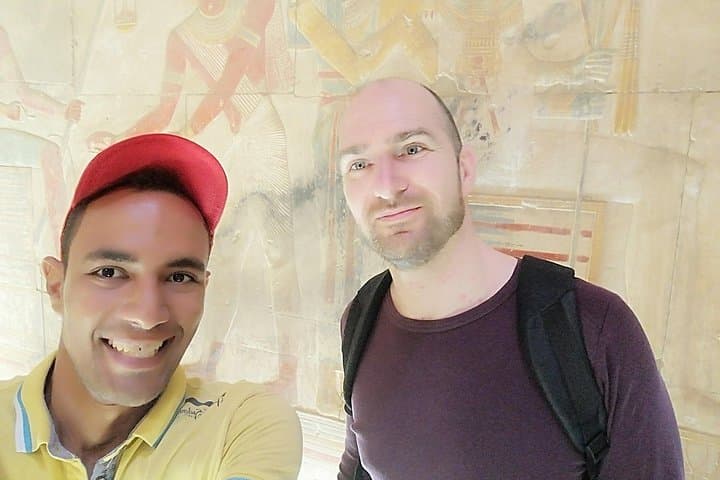

You step out of the air‑conditioned car and the desert immediately demands attention — a dry wind pushes sand across low ridges while pale chalk formations loom like alien sculptures. The route from Cairo or Giza eases you away from traffic into broad plains, and by mid‑day the landscape is stripped down to rock, scrub and sky.
You step out of the air‑conditioned car and the desert immediately demands attention — a dry wind pushes sand across low ridges while pale chalk formations loom like alien sculptures. The route from Cairo or Giza eases you away from traffic into broad plains, and by mid‑day the landscape is stripped down to rock, scrub and sky.
The Western Desert around Al Bahariya Oasis has been a crossroads for millennia: pharaonic tombs and the modern Bedouin culture converge where spring-fed oases made human settlement possible. Geologically the White Desert is famous for wind‑sculpted chalk formations; the Black Desert wears basaltic cones and dark volcanic stones, while the nearby Crystal Mountain is a fractured quartz ridge that catches the sun. You’ll pass palm groves, ephemeral hot springs and small Bedouin settlements—places where local hospitality and simple meals anchor the trip.
Practical guidance: plan for long drives on paved roads then rough 4x4 tracks once you leave the oasis. Expect short walks over soft sand and around fragile rock pillars; temperatures swing sharply from sun‑baked afternoons to chilly nights if you stay out after sunset. Carry at least 3 liters of water, sun protection and closed shoes for walking. Timing matters — early morning and late afternoon bring the best light for photos and cooler conditions. Respect local customs in villages and follow Leave No Trace rules in the national park. Whether you’re chasing mushroom‑shaped rocks, cooling off at a spring, or watching the stars expand over the White Desert, this trip pairs stark geological theatre with small‑town culture and straightforward logistics.