
White Rhino Walking Safari in Livingstone: Up-Close Rhino Viewing & Guided Park Walk
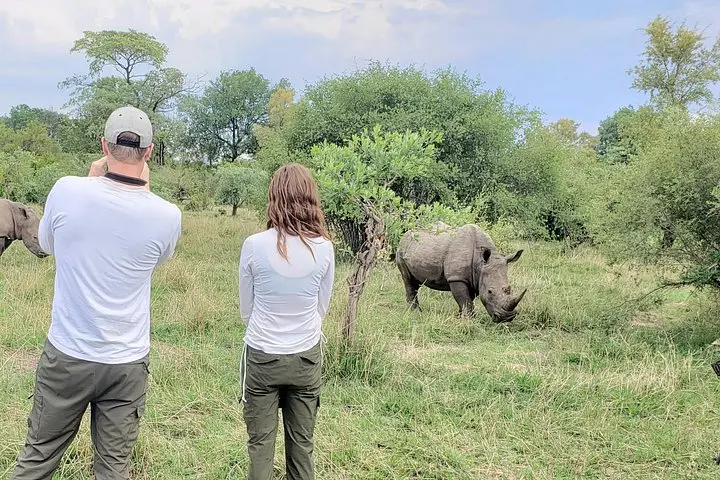
Step off the vehicle and into a ranger-led walking safari that focuses on tracking and photographing white rhinos near Livingstone. Learn about local trees, animal behavior, and conservation while moving quietly through mopane woodland.
An Adventure In Livingstone.
Step off the vehicle and into a ranger-led walking safari that focuses on tracking and photographing white rhinos near Livingstone. Learn about local trees, animal behavior, and conservation while moving quietly through mopane woodland.
Read the full experience
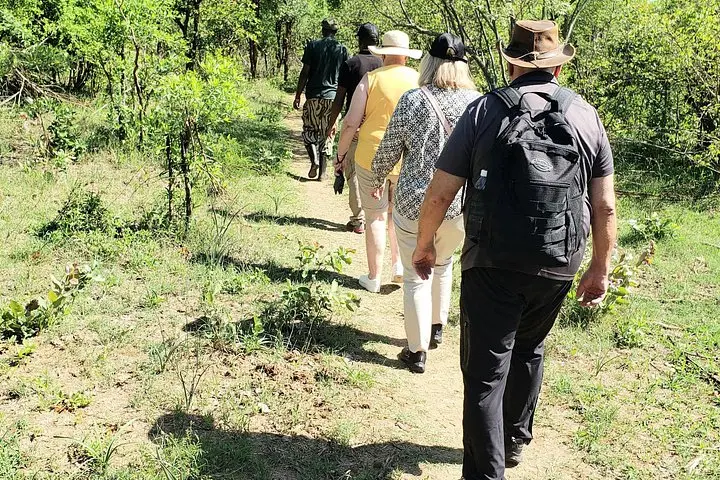
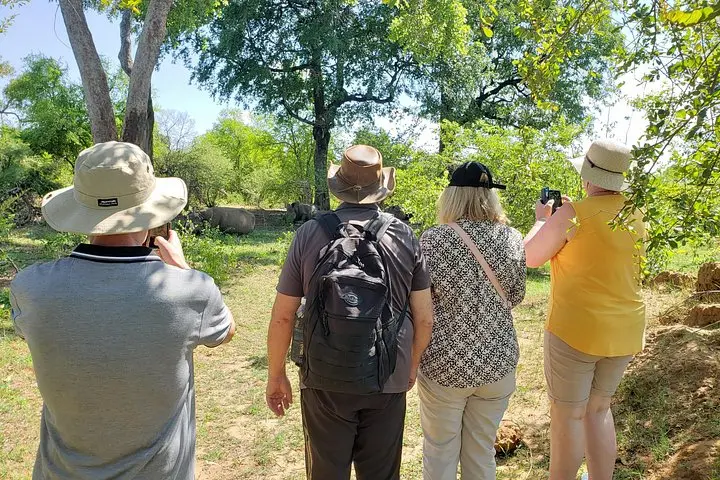
A damp morning light filters through mopane and acacia as your small group steps off the vehicle and onto the park’s compact trails. The air smells of sun-warmed dust and wet grass; rangers stand spaced like sentries, radios clipped and eyes scanning for the slow silhouettes of white rhinos. This walking safari places you within the living rhythms of the landscape—cautious, immediate, and quiet enough to hear a distant bird call or a rhino’s rumble.
A damp morning light filters through mopane and acacia as your small group steps off the vehicle and onto the park’s compact trails. The air smells of sun-warmed dust and wet grass; rangers stand spaced like sentries, radios clipped and eyes scanning for the slow silhouettes of white rhinos. This walking safari places you within the living rhythms of the landscape—cautious, immediate, and quiet enough to hear a distant bird call or a rhino’s rumble.
Mosi-oa-Tunya’s woodlands sit on basaltic plateaus carved by the Zambezi, where soil and geology shape pockets of grassland favored by rhino. The park’s recent conservation efforts reintroduced white rhinos to restore a species history interrupted by poaching decades earlier. Local guides explain not only animal behavior but also the uses of mopane bark and the region’s river-centered culture—how communities have long lived with and relied on the Zambezi.
Expect a guided two- to three-hour walk with at least two rangers, close but controlled viewing opportunities for photography, and interpretive stops on flora and animal tracking. The terrain is mostly flat to gently rolling with well-trodden paths—sturdy shoes are recommended. Keep movements slow and voices low; follow ranger instructions at all times.
Practical tips: bring water, sun protection, a good zoom lens or binoculars, and dress in neutral colors. Mornings are cooler and historically offer better sightings. The experience balances thrill with stewardship: you’ll leave with clearer knowledge of rhino behavior and the conservation work keeping these animals on the plain.
Frequently asked questions
Guides and rangers position the group for close viewing but maintain safety—expect distances of tens of meters, adjusted by animal behavior and ranger assessment.
Infants must sit on an adult’s lap and the activity is described as suitable for all fitness levels; follow guides’ safety instructions and consider older children who can stay quiet and attentive.
Neutral-colored, lightweight clothing, closed-toe shoes, sun protection, and a light jacket in cooler months; avoid bright colors and perfumes.
Yes—photography is encouraged, but use no flash and avoid sudden movements; always follow the ranger’s guidance on positioning for images.
About This Experience
BUSH WILDERNESS SAFARIS operates guided outdoor trips and adventures with an emphasis on safety, stewardship, and memorable experiences.
Adventure tips
Recommended gear
- Sturdy hiking shoes: Protects feet on uneven trails and through light brush.
- Binoculars (8x–10x): Bring wildlife close for viewing without disturbing animals.
- Sun hat and sunscreen: Protects against strong sun during mid-day and open sections of the walk.
- Light waterproof jacket: Useful in the wet season when sudden showers are common.
Photos of the experience

Related adventures & guides
Read the full experience
A damp morning light filters through mopane and acacia as your small group steps off the vehicle and onto the park’s compact trails. The air smells of sun-warmed dust and wet grass; rangers stand spaced like sentries, radios clipped and eyes scanning for the slow silhouettes of white rhinos. This walking safari places you within the living rhythms of the landscape—cautious, immediate, and quiet enough to hear a distant bird call or a rhino’s rumble.
A damp morning light filters through mopane and acacia as your small group steps off the vehicle and onto the park’s compact trails. The air smells of sun-warmed dust and wet grass; rangers stand spaced like sentries, radios clipped and eyes scanning for the slow silhouettes of white rhinos. This walking safari places you within the living rhythms of the landscape—cautious, immediate, and quiet enough to hear a distant bird call or a rhino’s rumble.
Mosi-oa-Tunya’s woodlands sit on basaltic plateaus carved by the Zambezi, where soil and geology shape pockets of grassland favored by rhino. The park’s recent conservation efforts reintroduced white rhinos to restore a species history interrupted by poaching decades earlier. Local guides explain not only animal behavior but also the uses of mopane bark and the region’s river-centered culture—how communities have long lived with and relied on the Zambezi.
Expect a guided two- to three-hour walk with at least two rangers, close but controlled viewing opportunities for photography, and interpretive stops on flora and animal tracking. The terrain is mostly flat to gently rolling with well-trodden paths—sturdy shoes are recommended. Keep movements slow and voices low; follow ranger instructions at all times.
Practical tips: bring water, sun protection, a good zoom lens or binoculars, and dress in neutral colors. Mornings are cooler and historically offer better sightings. The experience balances thrill with stewardship: you’ll leave with clearer knowledge of rhino behavior and the conservation work keeping these animals on the plain.
Make a day of it nearby.
Verified experiences and guided adventures in the surrounding area.