THE ADVENTURE COLLECTIVE® · Independent discovery and booking for outdoor travel

Tackle continuous Class III+ and IV whitewater on an eight-mile, half-day run down the White Salmon River. This concise guide explains what to expect, key rapids, and how to prepare for a high-energy Pacific Northwest rafting trip.
Tackle continuous Class III+ and IV whitewater on an eight-mile, half-day run down the White Salmon River. This concise guide explains what to expect, key rapids, and how to prepare for a high-energy Pacific Northwest rafting trip.
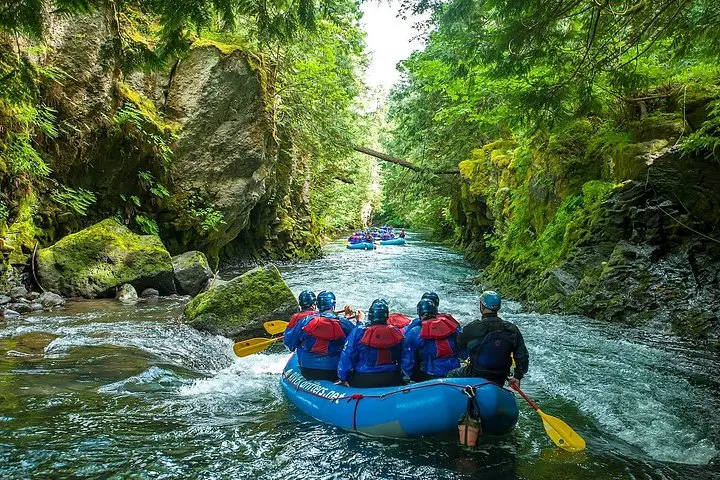
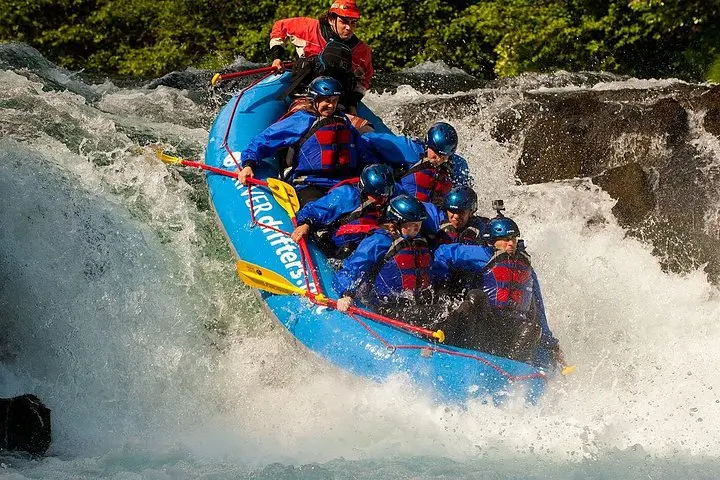
You push off from a rocky outcrop and the river takes command — gin-clear water tumbling through a narrow basalt gorge, sending spray into your face and the raft answering with a startled lurch. For three hours the White Salmon refuses to sit still: waves rise like walls, holes try to hold you, and ledges kick the boat sideways until your guide barks a command and the crew responds in rhythm.
Verified experiences and guided adventures in the surrounding area.
Operated by River Drifters Whitewater Tours · White Salmon, Washington
You push off from a rocky outcrop and the river takes command — gin-clear water tumbling through a narrow basalt gorge, sending spray into your face and the raft answering with a startled lurch. For three hours the White Salmon refuses to sit still: waves rise like walls, holes try to hold you, and ledges kick the boat sideways until your guide barks a command and the crew responds in rhythm.
The White Salmon runs out of Mount Adams’ glaciers and local aquifers, cutting through Columbia River Basalt that solidified in the Miocene. Indigenous peoples of the Klickitat and Yakama nations fished and moved through these canyons long before commercial rafting began; today small towns like White Salmon and nearby Hood River keep a robust outdoor culture — breweries, bike shops and guide companies serving summer crowds.
Expect an eight-mile stretch with the first five miles delivering continuous Class III+ and IV rapids — names like Maytag, Corner Cave and Husum Falls mark the route. Guides outfit guests with wetsuits, booties, PFDs and helmets; water stays cold even in July. The trip balances adrenaline with technical instruction: you’ll paddle hard in waves, learn ferrying and brace techniques, and scout larger features from the safety of the raft.
Practical tips: arrive hydrated and rested, wear snug water shoes, stash phones in dry bags (or leave them), and plan for a three-hour window plus check-in. If you’re comfortable following commands and handling a sustained cardio effort, this half-day run is a compact, high-energy way to sample one of the Pacific Northwest’s most acclaimed rivers.
Minimum age is 8; guests should have moderate fitness, be able to follow guide commands, and wear provided PFDs and wetsuits.
No — guided instruction is provided, though you should be comfortable with active paddling and brief swims in cold water.
Operators may reschedule or cancel due to unsafe flows or conditions; check cancellation policies and arrive prepared for variable weather.
Guides provide wetsuits, booties, splash jackets, PFDs and helmets; bring a water bottle, secure footwear, and a dry bag for valuables.
River Drifters Whitewater Tours operates guided outdoor trips and adventures with an emphasis on safety, stewardship, and memorable experiences.
You push off from a rocky outcrop and the river takes command — gin-clear water tumbling through a narrow basalt gorge, sending spray into your face and the raft answering with a startled lurch. For three hours the White Salmon refuses to sit still: waves rise like walls, holes try to hold you, and ledges kick the boat sideways until your guide barks a command and the crew responds in rhythm.
You push off from a rocky outcrop and the river takes command — gin-clear water tumbling through a narrow basalt gorge, sending spray into your face and the raft answering with a startled lurch. For three hours the White Salmon refuses to sit still: waves rise like walls, holes try to hold you, and ledges kick the boat sideways until your guide barks a command and the crew responds in rhythm.
The White Salmon runs out of Mount Adams’ glaciers and local aquifers, cutting through Columbia River Basalt that solidified in the Miocene. Indigenous peoples of the Klickitat and Yakama nations fished and moved through these canyons long before commercial rafting began; today small towns like White Salmon and nearby Hood River keep a robust outdoor culture — breweries, bike shops and guide companies serving summer crowds.
Expect an eight-mile stretch with the first five miles delivering continuous Class III+ and IV rapids — names like Maytag, Corner Cave and Husum Falls mark the route. Guides outfit guests with wetsuits, booties, PFDs and helmets; water stays cold even in July. The trip balances adrenaline with technical instruction: you’ll paddle hard in waves, learn ferrying and brace techniques, and scout larger features from the safety of the raft.
Practical tips: arrive hydrated and rested, wear snug water shoes, stash phones in dry bags (or leave them), and plan for a three-hour window plus check-in. If you’re comfortable following commands and handling a sustained cardio effort, this half-day run is a compact, high-energy way to sample one of the Pacific Northwest’s most acclaimed rivers.