THE ADVENTURE COLLECTIVE® · Independent discovery and booking for outdoor travel

In a single day from Seville you can walk the winding streets of Zahara and Grazalema, peek into an olive oil mill, and stand on Ronda’s Puente Nuevo above a dramatic gorge. This guided excursion pairs cultural context with accessible panoramas and practical stops for food and photos.
In a single day from Seville you can walk the winding streets of Zahara and Grazalema, peek into an olive oil mill, and stand on Ronda’s Puente Nuevo above a dramatic gorge. This guided excursion pairs cultural context with accessible panoramas and practical stops for food and photos.
The minivan eases out of Seville at dawn, highway light sketching the plains as the whitewashed villages appear like punctuation along limestone ridges. Zahara de la Sierra rises on its hill, houses climbing toward a ruined Moorish castle; later, Ronda’s Puente Nuevo forks the gorge like a carved spine, and the Tajo cliffs watch the river below.
Verified experiences and guided adventures in the surrounding area.
Operated by Descubre · Seville, Andalusia
The minivan eases out of Seville at dawn, highway light sketching the plains as the whitewashed villages appear like punctuation along limestone ridges. Zahara de la Sierra rises on its hill, houses climbing toward a ruined Moorish castle; later, Ronda’s Puente Nuevo forks the gorge like a carved spine, and the Tajo cliffs watch the river below.
These pueblos blancos reflect Andalusia’s layered history — Roman roads gave way to Moorish medinas, and later Christian reconquest reshaped street plans and churches. Geology matters here: karst limestone and steep escarpments created the deep gorge at Ronda and the patchwork of olive terraces that define the comarca. Local life still revolves around small-scale olive oil, shepherding, and tapas culture; expect narrow lanes, centuries-old stone, and plazas that organize daily rhythms.
Practically, the tour compresses a lot into 11 hours: guided stops in Zahara and Grazalema, a visit to an olive mill, and a panoramic plus free time in Ronda. Footpaths are cobbled or compact dirt; some uphill walking and steps are unavoidable. Bring comfortable shoes, sun protection, and modest layers for wind on exposed overlooks. Budget time for café breaks during free periods and carry small change — some rural shops still prefer cash. If you’re aiming for photos, mid-morning light in Zahara and late afternoon in Ronda are best. The day is equal parts village wandering, cultural context, and a compact introduction to the Sierra’s natural edge — efficient, scenic, and rooted in tangible local traditions.
Most departures are from central Seville; exact pickup or meeting point is provided at booking and the tour returns to the original departure area.
Lunch is free time — you’ll have a scheduled stop in Grazalema and Ronda with time to buy food; specific restaurant meals are not included.
No — the itinerary includes a panoramic visit of Ronda and the bullring exterior; interior access and tickets are not included.
Families can join, but expect uneven streets and some steps; strollers may be impractical on steeper village lanes.
Descubre operates guided outdoor trips and adventures with an emphasis on safety, stewardship, and memorable experiences.
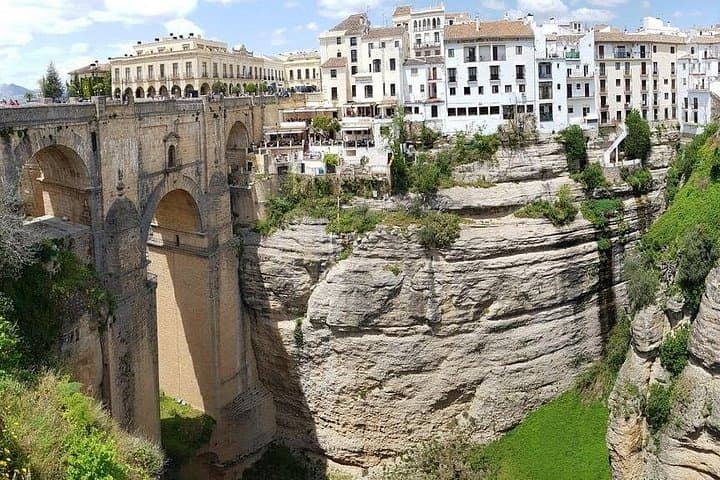
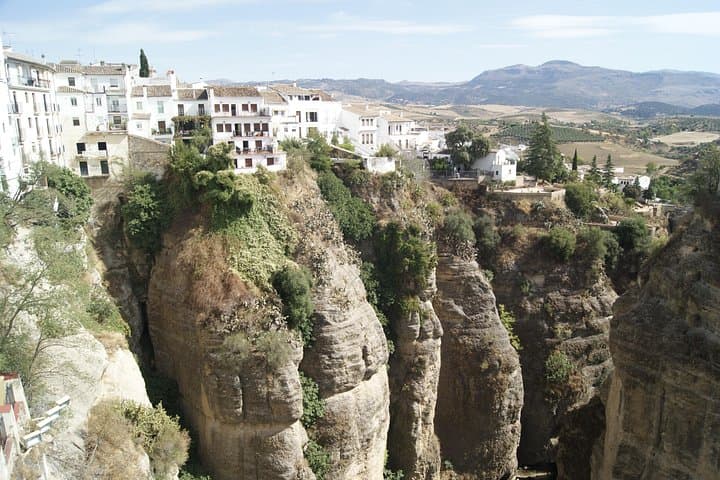
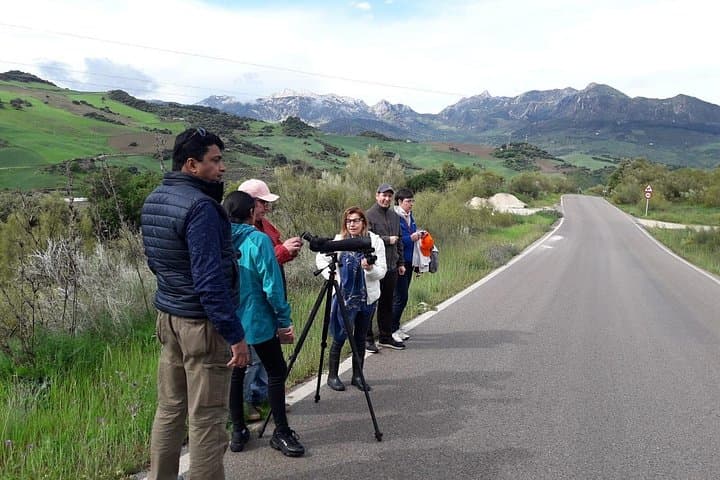
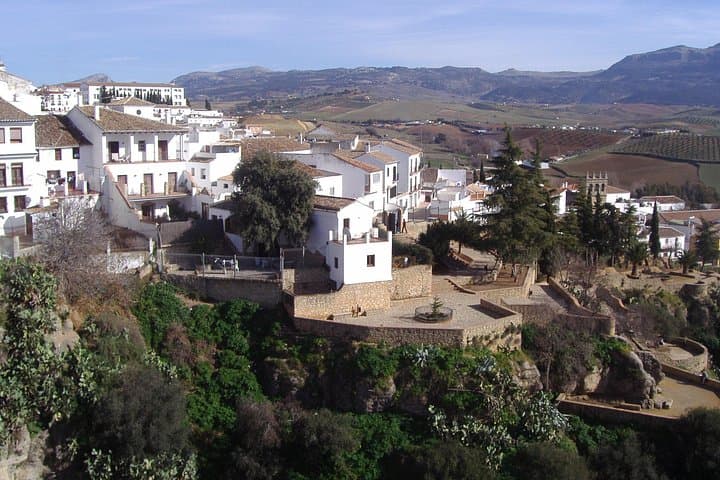
The minivan eases out of Seville at dawn, highway light sketching the plains as the whitewashed villages appear like punctuation along limestone ridges. Zahara de la Sierra rises on its hill, houses climbing toward a ruined Moorish castle; later, Ronda’s Puente Nuevo forks the gorge like a carved spine, and the Tajo cliffs watch the river below.
The minivan eases out of Seville at dawn, highway light sketching the plains as the whitewashed villages appear like punctuation along limestone ridges. Zahara de la Sierra rises on its hill, houses climbing toward a ruined Moorish castle; later, Ronda’s Puente Nuevo forks the gorge like a carved spine, and the Tajo cliffs watch the river below.
These pueblos blancos reflect Andalusia’s layered history — Roman roads gave way to Moorish medinas, and later Christian reconquest reshaped street plans and churches. Geology matters here: karst limestone and steep escarpments created the deep gorge at Ronda and the patchwork of olive terraces that define the comarca. Local life still revolves around small-scale olive oil, shepherding, and tapas culture; expect narrow lanes, centuries-old stone, and plazas that organize daily rhythms.
Practically, the tour compresses a lot into 11 hours: guided stops in Zahara and Grazalema, a visit to an olive mill, and a panoramic plus free time in Ronda. Footpaths are cobbled or compact dirt; some uphill walking and steps are unavoidable. Bring comfortable shoes, sun protection, and modest layers for wind on exposed overlooks. Budget time for café breaks during free periods and carry small change — some rural shops still prefer cash. If you’re aiming for photos, mid-morning light in Zahara and late afternoon in Ronda are best. The day is equal parts village wandering, cultural context, and a compact introduction to the Sierra’s natural edge — efficient, scenic, and rooted in tangible local traditions.