THE ADVENTURE COLLECTIVE® · Independent discovery and booking for outdoor travel

Float into the Ayung’s current and you’ll find more than rapids — you’ll discover river beaches, hidden falls, and a local lunch that frames the day. This guided Ubud rafting trip blends accessible adrenaline with cultural and ecological context.
Float into the Ayung’s current and you’ll find more than rapids — you’ll discover river beaches, hidden falls, and a local lunch that frames the day. This guided Ubud rafting trip blends accessible adrenaline with cultural and ecological context.
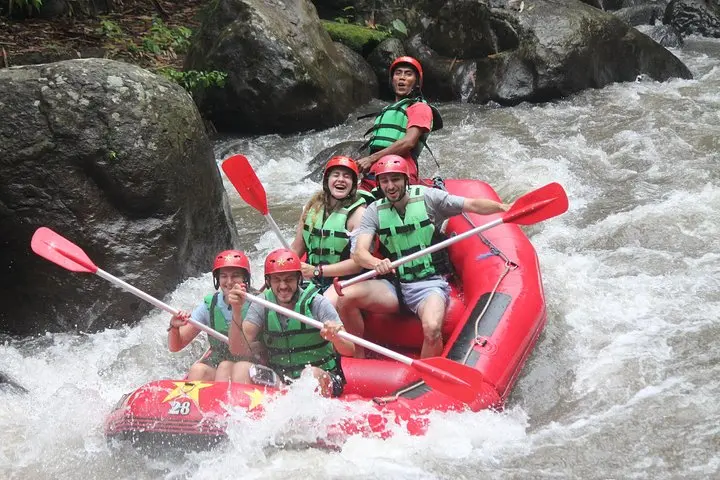
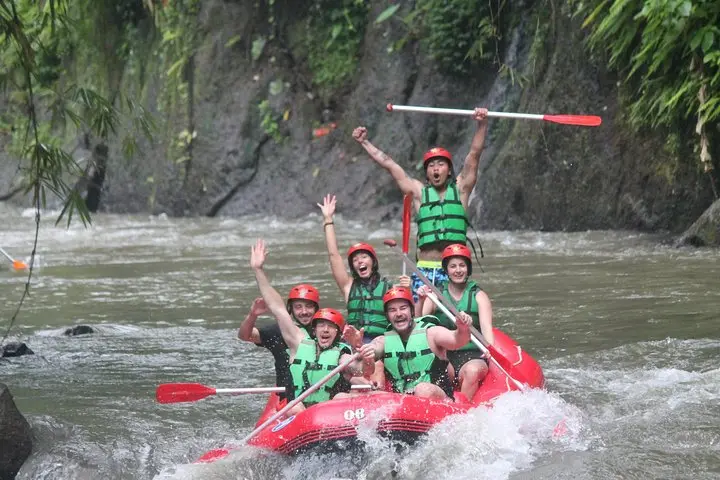
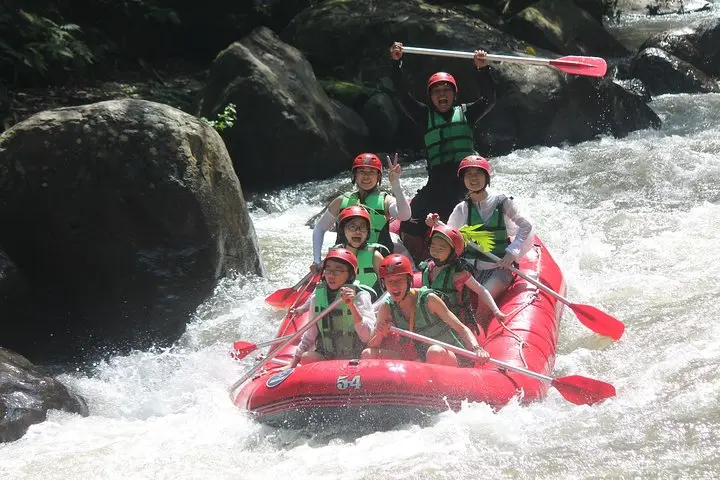
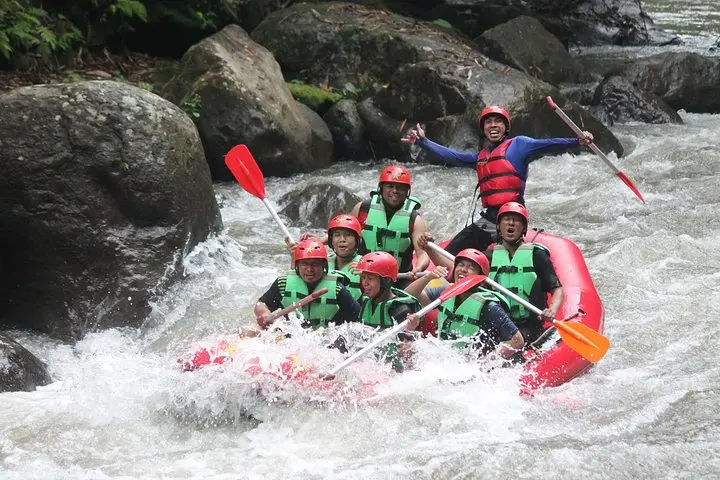
You step off the minibus and the steady hiss of the Ayung River fills the air — a long, low voice that alternately teases and dares. Guides hand out helmets and life jackets under a scattering of palms; the safety briefing is brisk, practical, and soon you’re descending a jungle track toward the raft. The river takes over: rock shelves that toss sprays of whitewater, quieter pools where you can slide in and float, and narrow chutes that demand teamwork and a steady paddle.
Verified experiences and guided adventures in the surrounding area.
Operated by Bali SUN Tours · Ubud, Bali
You step off the minibus and the steady hiss of the Ayung River fills the air — a long, low voice that alternately teases and dares. Guides hand out helmets and life jackets under a scattering of palms; the safety briefing is brisk, practical, and soon you’re descending a jungle track toward the raft. The river takes over: rock shelves that toss sprays of whitewater, quieter pools where you can slide in and float, and narrow chutes that demand teamwork and a steady paddle.
The Ayung has shaped the landscape and livelihoods around Ubud for centuries. Early irrigation channels and small temples cling to its banks; the river’s limestone and volcanic bedrock create rapids, river beaches, and a succession of micro-waterfalls. Guides on the raft double as local storytellers — pointing out endemic plants, readouts of seasonal river behavior, and occasional freshwater crabs tucked in rock crevices.
Culturally, this stretch of river is part recreational route and part living artery. Rice terraces, small family temples, and tirta (holy water) springs pepper the approach roads, and lunch is served at a local restaurant that looks out over the valley — a reminder that rafting here ties into a broader Ubud day trip experience.
Practically, expect a 5–7 hour outing from meet time to return. The core river run lasts around 2–3 hours and is rated class II in normal conditions; during the wet season rains can push rapids toward class IV, so operators adjust the route and safety protocols accordingly. The tour includes bottled water, all safety equipment, lockers, showers, changing rooms, and a buffet lunch. Participants should be able to climb in and out of rafts and follow paddle commands; guides are experienced and lead rescue-ready teams.
Pack a light day bag: quick-dry clothing, strapped water shoes, sunscreen, and a small waterproof camera or phone in a dry bag. Morning departures beat the crowds and typically mean slightly lower water and warmer sunlight; late-afternoon trips can be greener and louder after tropical showers. If you have back issues, heart conditions, or are pregnant, this is not the trip for you — the operator’s medical restrictions are strict for safety.
Ultimately, Bali’s Ayung rafting is kinetic and social: a physical ride through geological folds and human landscapes, wrapped up with a buffet and hot shower. It’s an accessible way to read the island differently — from the river upward — while relying on local knowledge to keep the experience both thrilling and safe.
The on-water portion is typically 2–3 hours, embedded inside a 5–7 hour door-to-door experience including briefing, transfers, and lunch.
Normally class II with friendly challenges; during heavy rains the river can reach class IV and operators will adapt or cancel for safety.
Children may join but operators often have minimum age or height requirements and infants must sit on an adult’s lap — check operator rules when booking.
No — trips are guided and suitable for most fitness levels; guides teach paddle technique and safety commands before launching.
Buffet lunch, bottled water, helmets, lifejackets, paddles, lockers, showers, changing rooms, and river guides are included.
Yes — bring a waterproof case or use the provided dry bag; avoid loose gear and follow guide instructions during rapids.
Bali SUN Tours operates guided outdoor trips and adventures with an emphasis on safety, stewardship, and memorable experiences.
You step off the minibus and the steady hiss of the Ayung River fills the air — a long, low voice that alternately teases and dares. Guides hand out helmets and life jackets under a scattering of palms; the safety briefing is brisk, practical, and soon you’re descending a jungle track toward the raft. The river takes over: rock shelves that toss sprays of whitewater, quieter pools where you can slide in and float, and narrow chutes that demand teamwork and a steady paddle.
You step off the minibus and the steady hiss of the Ayung River fills the air — a long, low voice that alternately teases and dares. Guides hand out helmets and life jackets under a scattering of palms; the safety briefing is brisk, practical, and soon you’re descending a jungle track toward the raft. The river takes over: rock shelves that toss sprays of whitewater, quieter pools where you can slide in and float, and narrow chutes that demand teamwork and a steady paddle.
The Ayung has shaped the landscape and livelihoods around Ubud for centuries. Early irrigation channels and small temples cling to its banks; the river’s limestone and volcanic bedrock create rapids, river beaches, and a succession of micro-waterfalls. Guides on the raft double as local storytellers — pointing out endemic plants, readouts of seasonal river behavior, and occasional freshwater crabs tucked in rock crevices.
Culturally, this stretch of river is part recreational route and part living artery. Rice terraces, small family temples, and tirta (holy water) springs pepper the approach roads, and lunch is served at a local restaurant that looks out over the valley — a reminder that rafting here ties into a broader Ubud day trip experience.
Practically, expect a 5–7 hour outing from meet time to return. The core river run lasts around 2–3 hours and is rated class II in normal conditions; during the wet season rains can push rapids toward class IV, so operators adjust the route and safety protocols accordingly. The tour includes bottled water, all safety equipment, lockers, showers, changing rooms, and a buffet lunch. Participants should be able to climb in and out of rafts and follow paddle commands; guides are experienced and lead rescue-ready teams.
Pack a light day bag: quick-dry clothing, strapped water shoes, sunscreen, and a small waterproof camera or phone in a dry bag. Morning departures beat the crowds and typically mean slightly lower water and warmer sunlight; late-afternoon trips can be greener and louder after tropical showers. If you have back issues, heart conditions, or are pregnant, this is not the trip for you — the operator’s medical restrictions are strict for safety.
Ultimately, Bali’s Ayung rafting is kinetic and social: a physical ride through geological folds and human landscapes, wrapped up with a buffet and hot shower. It’s an accessible way to read the island differently — from the river upward — while relying on local knowledge to keep the experience both thrilling and safe.