THE ADVENTURE COLLECTIVE® · Independent discovery and booking for outdoor travel

Walk the streets of Whitechapel and hear the lives of the five women known to history as Jack the Ripper’s victims. This two-hour guided route combines social history, preserved Victorian architecture and hard-to-forget local detail.
Walk the streets of Whitechapel and hear the lives of the five women known to history as Jack the Ripper’s victims. This two-hour guided route combines social history, preserved Victorian architecture and hard-to-forget local detail.
The gaslight gutters of Whitechapel still hold a chill; cobbles underfoot echo with the footsteps of strangers and the Thames breathes cold air through the alleys. Arrive as evening deepens and the narrow streets compress the city’s sounds — buses sigh, curry houses hum, and the air carries the history you’ll be following.
Verified experiences and guided adventures in the surrounding area.
Operated by Fun London Tours Ltd · London, England
The gaslight gutters of Whitechapel still hold a chill; cobbles underfoot echo with the footsteps of strangers and the Thames breathes cold air through the alleys. Arrive as evening deepens and the narrow streets compress the city’s sounds — buses sigh, curry houses hum, and the air carries the history you’ll be following.
This two-hour walking tour traces the lives of Mary Ann Nichols, Annie Chapman, Elizabeth Stride, Catherine Eddowes and Mary Jane Kelly against the late-Victorian East End — an overcrowded district shaped by dockland industry, London clay subsoils and a tangle of backstreets. The stories you’ll hear mix social history with forensic mystery: the limits of 1888 policing, the handwritten suspects, and how poverty, immigration and urban growth made the area vulnerable.
Along the way guides point out surviving buildings, the footprint of the old docks and today’s Banglatown on Brick Lane — a neighborhood whose cuisine and culture have transformed the streets once dominated by sweatshops and lodging houses. The River Thames, low and indifferent, still defines the area’s rhythms and was integral to the trade and migration that created the East End.
Practical note: expect uneven cobbles and tight pavements; much of the route is accessible but some surfaces are old and irregular. Wear sturdy shoes, bring a rain layer and a charged phone for maps. Tours run in small groups and are best taken at dusk or early evening when the atmosphere matches the history — and when public transport makes meeting and leaving straightforward.
The tour is about 2 hours and covers roughly 1.5–2 miles on mainly flat but uneven urban streets.
Guides note the tour is largely wheelchair accessible, but there are some very old cobblestone sections that can be bumpy—contact the operator to discuss accommodations.
Guides cover the historical facts and context; they avoid gratuitous gore but do address the nature of the crimes, so discretion is advised for younger listeners.
Meeting points are in central Whitechapel with several Tube and bus stops nearby—arrive 10 minutes early to confirm the precise meeting spot.
Fun London Tours Ltd operates guided outdoor trips and adventures with an emphasis on safety, stewardship, and memorable experiences.
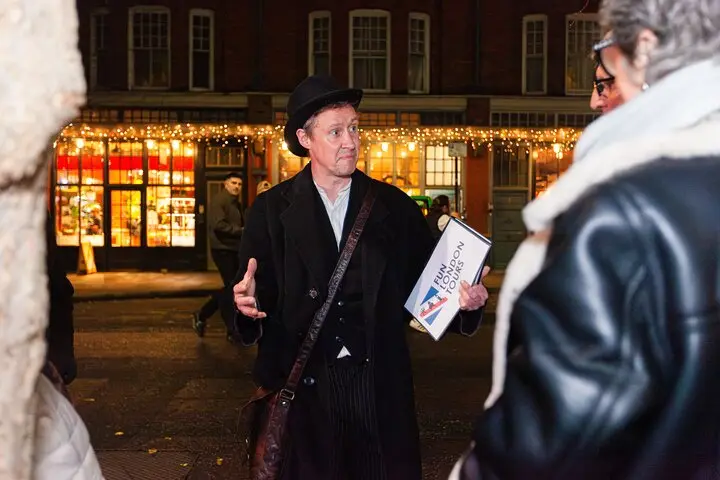
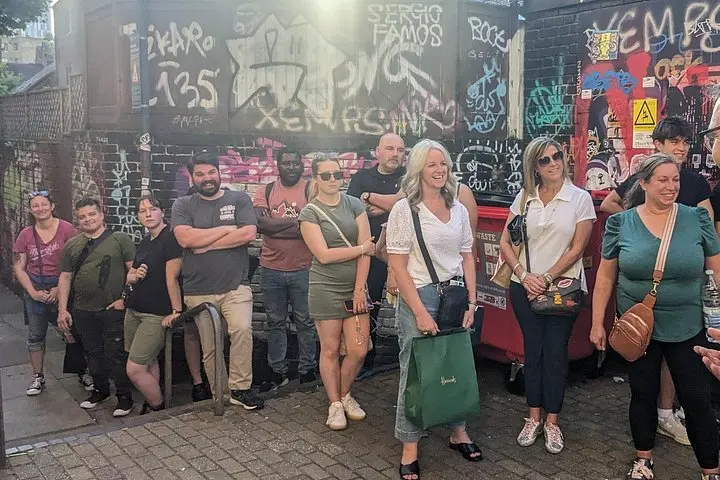
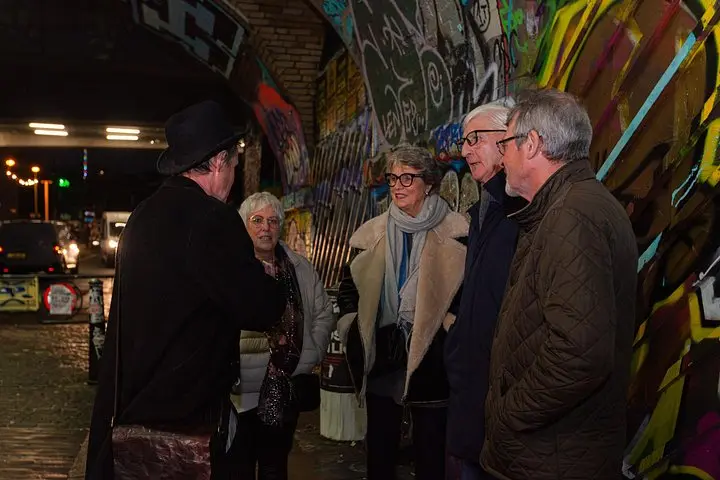
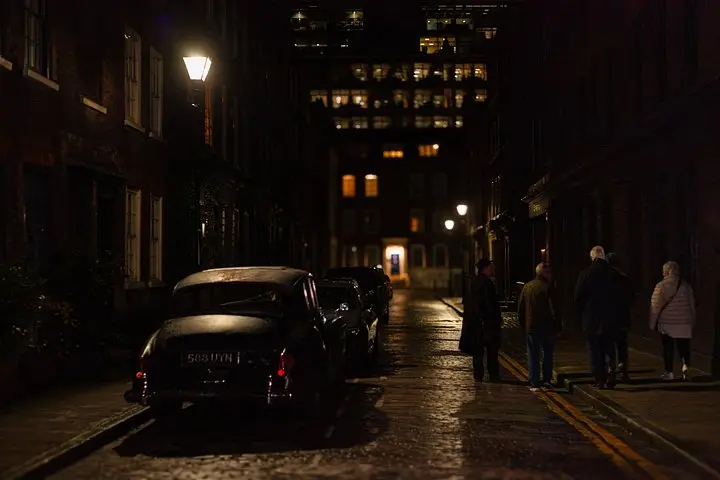
The gaslight gutters of Whitechapel still hold a chill; cobbles underfoot echo with the footsteps of strangers and the Thames breathes cold air through the alleys. Arrive as evening deepens and the narrow streets compress the city’s sounds — buses sigh, curry houses hum, and the air carries the history you’ll be following.
The gaslight gutters of Whitechapel still hold a chill; cobbles underfoot echo with the footsteps of strangers and the Thames breathes cold air through the alleys. Arrive as evening deepens and the narrow streets compress the city’s sounds — buses sigh, curry houses hum, and the air carries the history you’ll be following.
This two-hour walking tour traces the lives of Mary Ann Nichols, Annie Chapman, Elizabeth Stride, Catherine Eddowes and Mary Jane Kelly against the late-Victorian East End — an overcrowded district shaped by dockland industry, London clay subsoils and a tangle of backstreets. The stories you’ll hear mix social history with forensic mystery: the limits of 1888 policing, the handwritten suspects, and how poverty, immigration and urban growth made the area vulnerable.
Along the way guides point out surviving buildings, the footprint of the old docks and today’s Banglatown on Brick Lane — a neighborhood whose cuisine and culture have transformed the streets once dominated by sweatshops and lodging houses. The River Thames, low and indifferent, still defines the area’s rhythms and was integral to the trade and migration that created the East End.
Practical note: expect uneven cobbles and tight pavements; much of the route is accessible but some surfaces are old and irregular. Wear sturdy shoes, bring a rain layer and a charged phone for maps. Tours run in small groups and are best taken at dusk or early evening when the atmosphere matches the history — and when public transport makes meeting and leaving straightforward.